Keep Up To Date on the latest political drama. Sign Up Free For National Circus.
Starmer Slams Trump NATO Troops Remark as Afghanistan Wounds Reopen
Jan 24, 2026
0
Share:
It was a quick line, delivered in the confidence of a global summit. Then a U.S. ally turned it into a test of respect, memory, and political muscle. Now the question hanging over Washington and London is simple: does a president ever take one back when the people who paid the price are still listening?
British Prime Minister Keir Starmer publicly condemned President Trump’s remarks about NATO troops in Afghanistan, calling them “insulting” and “appalling,” according to a PBS NewsHour transcript. The clash landed in the middle of a wider news cycle, but the flashpoint was specific: how allied service members are talked about when wars become talking points.
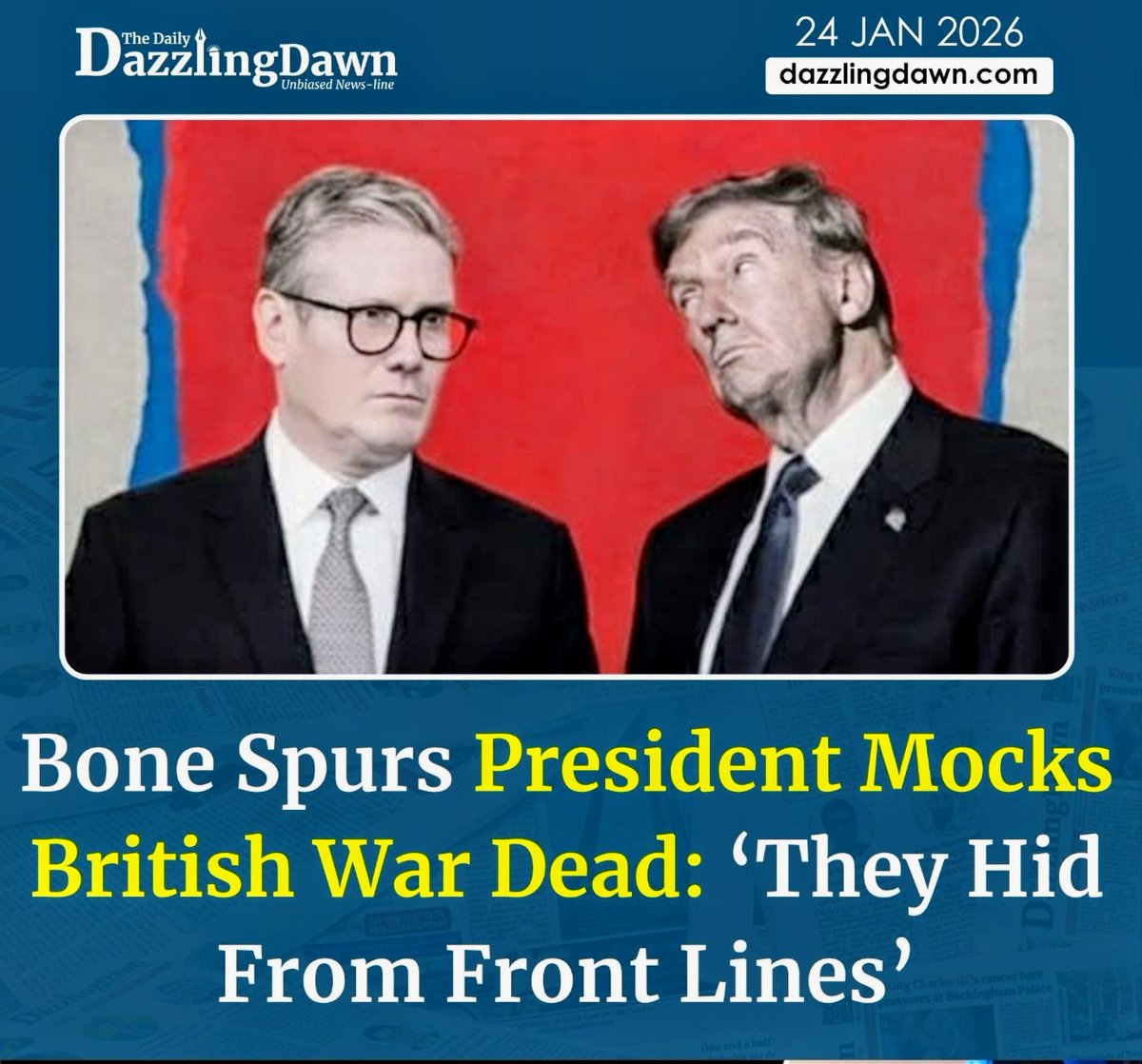
UK Prime Minister Keir Starmer Friday denounced as “insulting” President Donald Trump’s claim that troops from NATO allies avoided the front line in Afghanistan, as anger grows at the US president’s remarks. pic.twitter.com/E6f6rzbd2I
In an interview conducted on the sidelines of the Davos World Economic Forum, Trump discussed NATO member nations’ contributions in Afghanistan. The PBS transcript captured his words as a pointed dismissal of what he suggested were limited deployments.
Trump said: “They’ll say they sent some troops to Afghanistan. They stayed a little back, a little off the front lines.” PBS NewsHour reported the quote as part of its News Wrap segment.
The remark matters because it is not just a policy argument about burden-sharing. It is a character judgment about how allied troops behaved in a war where multiple countries lost service members, and where veterans and families remain politically influential.
Starmer’s rebuttal, and the numbers he put on the table
Starmer did not answer with vague diplomacy. He answered with a tally.
Speaking the next day, Starmer said more than 150,000 British troops served in Afghanistan in the years after the U.S.-led invasion in 2001 and that more than 450 died, according to the same PBS NewsHour transcript.
In the exchange, Starmer also framed the moment as a basic question of responsibility when leaders choose their words. He said: “If I had misspoken in that way or said those words, I would certainly apologize. I’m not surprised they caused such hurt to the loved ones of those who were killed or injured.”
Starmer’s approach was sharp but structured. He did not accuse Trump of attacking Britain as a country. He argued the comments landed as an insult to people who served, and as a blow to families still carrying the consequences.
What is verified, and what is being argued
Here is what is clearly documented in the PBS transcript: Trump made the “little back” and “off the front lines” remark about NATO troops in Afghanistan. Starmer publicly condemned it, used the words “insulting” and “appalling,” and suggested an apology would be appropriate if he had spoken similarly.
From there, the argument is about meaning.
Trump’s defenders can say he was making a familiar critique about alliance burden-sharing, a theme that has long been part of his political identity. But Starmer’s criticism suggests the phrasing crossed into something else: not a demand for more spending, but a question of courage and sacrifice.
That distinction is why the dispute escalated quickly. A budget argument can be negotiated. A perceived insult to war dead is harder to smooth over with a briefing note.
The stakes: NATO unity and domestic politics, at the same time
Even when allied governments keep their disputes polite, NATO is built as much on trust as on hardware. Leaders have to sell cooperation back home to voters who may be skeptical of foreign commitments, and to military communities that pay attention when their service is minimized.
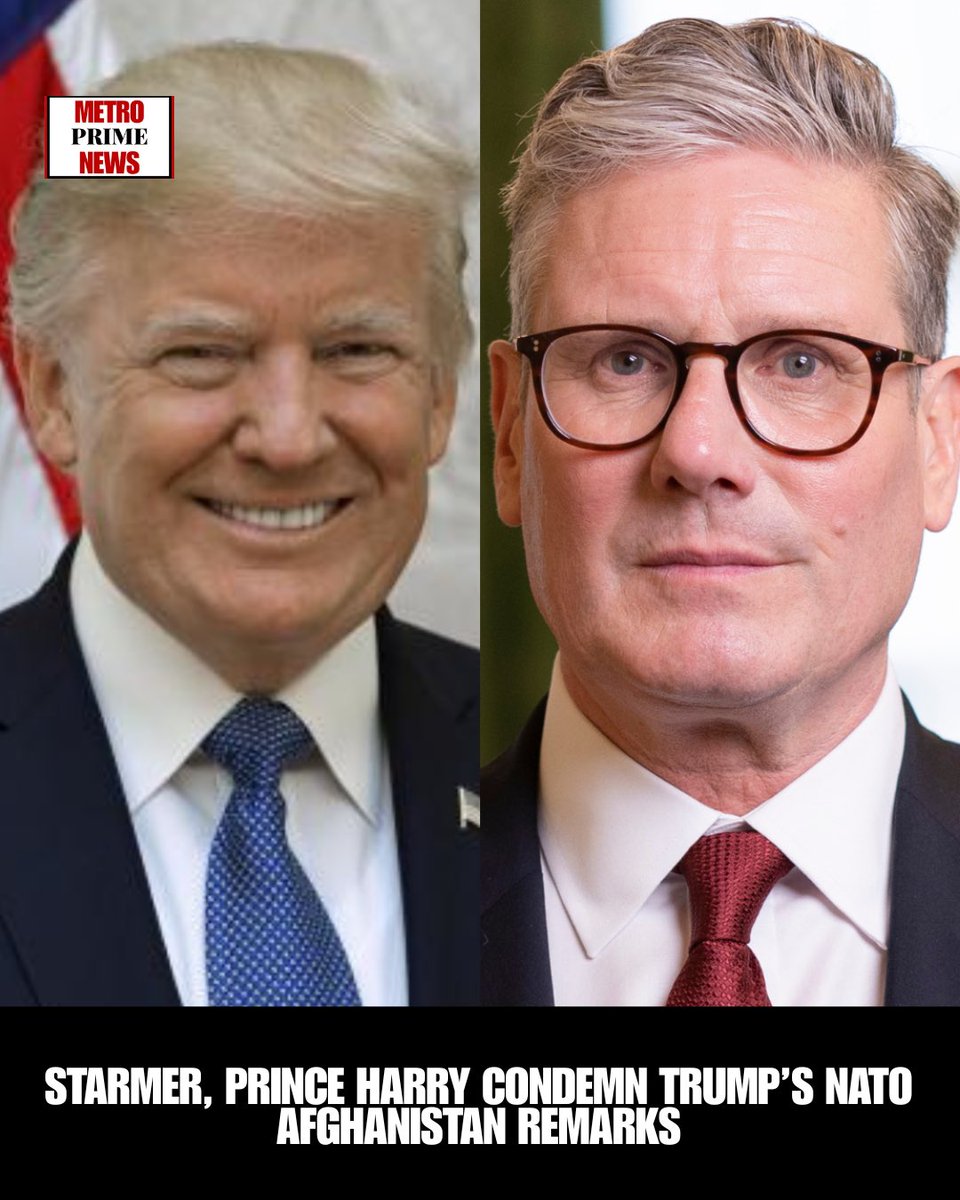
Photo: X / metroprimenews
Starmer’s decision to go public also reads as a domestic message. It signals to British veterans and military families that Downing Street will challenge a U.S. president on matters of respect, not just on trade or treaty language.
For Trump, the risk is not only diplomatic friction. It is a familiar campaign-style line about allies that gets recast as a direct insult, creating a controversy that crowds out his intended message about NATO contributions.
Receipts that matter in this fight
Starmer’s mention of British fatalities in Afghanistan points to a measurable reality: the United Kingdom sustained hundreds of deaths during operations connected to Afghanistan. The U.K. government maintains an operational deaths dataset that includes Afghanistan-era figures in its broader reporting on military fatalities, providing context to the scale of loss referenced in political debate. See: UK armed forces operational deaths: post World War II.
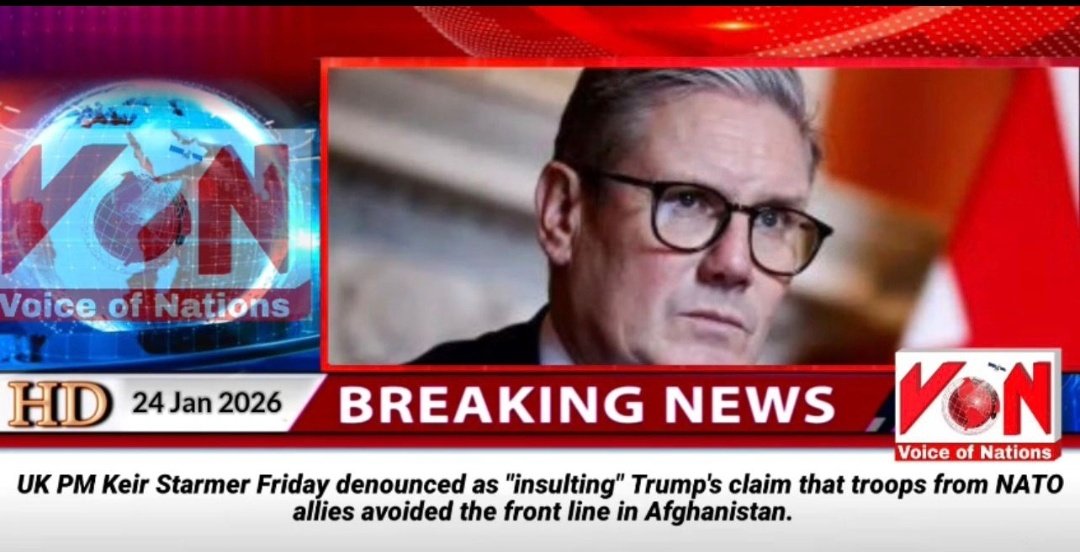
Photo: X / VoiceOfNations7
That does not resolve the argument about “front lines,” which can depend on unit roles, time periods, and locations. But it does underline why the language hits hard. When a country’s casualty count is part of the national memory, broad brush dismissals travel fast.
What to watch next
The immediate question is whether Trump clarifies, doubles down, or ignores the criticism. Starmer set a clear marker by suggesting an apology would be the proper response to words that caused “hurt.”
Diplomatically, the next moves will likely show up in small signals: whether senior officials cool tensions privately, whether the topic resurfaces in press conferences, and whether other NATO leaders echo Starmer’s framing or keep quiet to avoid widening the rift.
But the underlying tension is already visible in the transcript. One side is talking about alliance performance in a war. The other side is talking about the dead.
And once a dispute lives in that second category, it rarely ends with a single sentence.