

Minneapolis has a new flashpoint, and it is not just about immigration. It is about who gets to control the aftermath when a federal operation turns fatal.
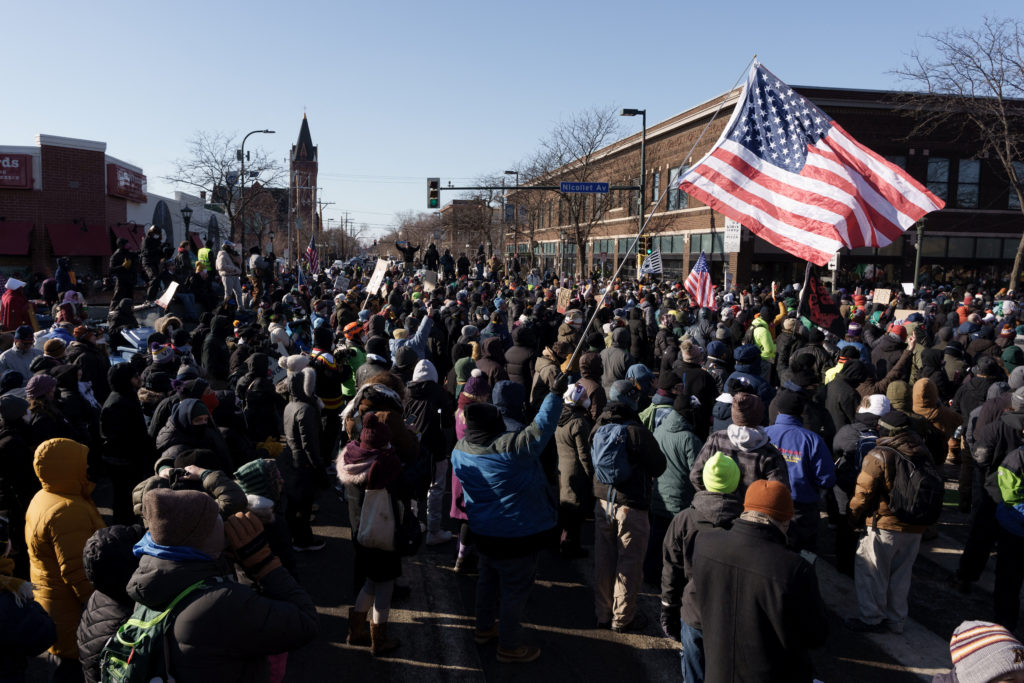
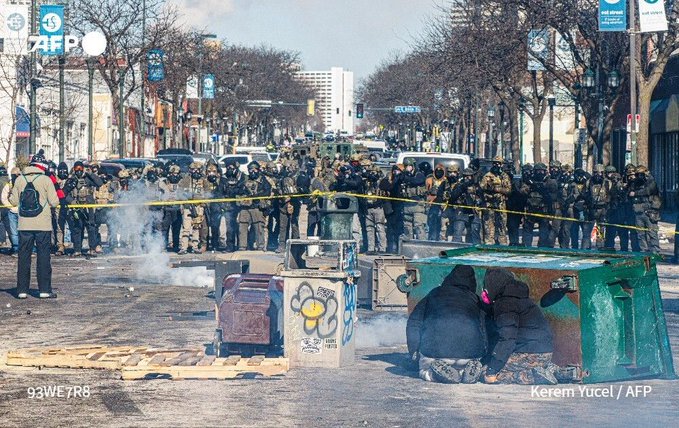
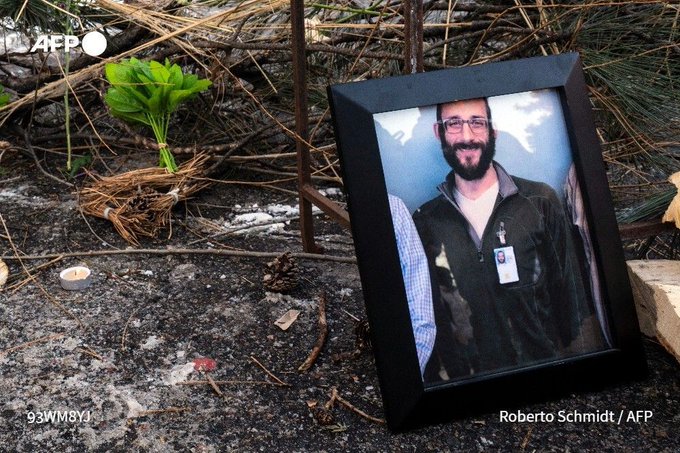
A man identified by relatives as Alex Pretti, a 37-year-old intensive care unit nurse, was shot and killed by a federal immigration officer during an operation in Minneapolis, according to PBS NewsHour’s publication of the Associated Press report. Within hours, hundreds of people were in the street, flash bangs went off, batons came out, and Minnesota’s governor called in the National Guard to assist local police.
Then came the part that has officials and activists circling the same question: who is actually in charge when federal agents shoot someone on a city street?
What happened on Nicollet Avenue, and what is still unclear
The basic fact pattern is not in dispute. A federal immigration officer fired shots in Minneapolis on a Saturday, and Pretti died, as reported by PBS NewsHour.
What led up to the shooting is where the story turns foggy and politically explosive. Minneapolis Police Chief Brian O’Hara said information about what happened beforehand was limited, per the same report.
The Department of Homeland Security offered its version. DHS spokesperson Tricia McLaughlin said federal officers fired “defensive shots” after a man with a handgun approached them and “violently resisted” when officers attempted to disarm him, according to the AP report published by PBS.
But that account immediately collided with what the public could see.
The videos that complicate the government’s narrative
Bystander footage circulated shortly after the shooting. A YouTube clip linked in the PBS story shows Pretti with a phone in his hand, and it does not appear to show him with a visible weapon at the key moments, according to the bystander video shared on YouTube and described in PBS’s report.
The AP description of the video is granular. Protesters are heard blowing whistles. An officer shoves a person. Pretti appears to link arms with another individual, then is shoved and falls back. Moments later, officers surround him. One officer appears to strike him with a canister. Then a shot rings out while officers are clustered tightly around him, making it unclear from the footage where the shot originated, as detailed in the PBS-published AP account.
This is the hinge point: DHS describes a man approaching with a handgun and resisting disarmament. The publicly available video description emphasizes a phone in hand and uncertainty about the precise moment a lethal shot was fired.
O’Hara added another detail that raises the temperature instead of lowering it. Police believe Pretti was a “lawful gun owner with a permit to carry,” according to PBS NewsHour’s report. A permit-to-carry status is not the same as brandishing or threatening, but it sets up the kind of split-screen America argument that spreads fast: legal gun ownership on one side, an armed federal operation on the other, and a fatal collision in the middle.
National Guard activated as street protests swell
As crowds gathered, Minnesota National Guard troops were sent to the shooting site and to a federal building where officials had been facing daily protests, according to PBS NewsHour. The Guard was assisting local police at Gov. Tim Walz’s direction.
🚨Images from yesterday show federal Border Patrol and ICE agents involved in the shooting of 37-year-old Alex Pretti in Minneapolis, Minnesota, and the protests and unrest that followed the shooting of the ICU nurse by immigration enforcement agents. pic.twitter.com/8gM0eefRys
— PLT Report (@pltreport) January 25, 2026
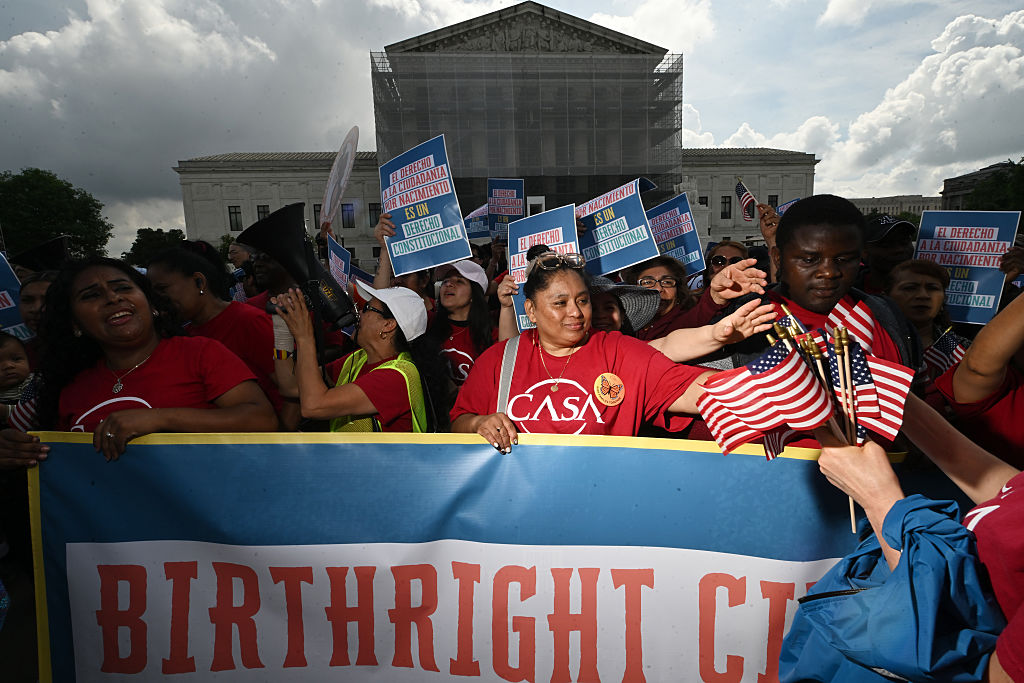
The street-level details underline how quickly the atmosphere deteriorated. Federal officers deployed flash bangs. Protesters dragged dumpsters into streets. In the cold, people chanted “ICE out now” and “Observing ICE is not a crime,” per the same report. PBS also pointed readers to a separate segment on the broader protest movement, ‘Thousands brave frigid cold in Twin Cities ‘ICE Out’ protest’, showing this was not an isolated crowd but part of an ongoing campaign against federal immigration actions.
Local police to feds: “discipline, humanity and integrity”
O’Hara’s public message tried to pull two directions at once: calling for calm from the public, while also demanding restraint from federal agencies operating inside Minneapolis.
“Our demand today is for those federal agencies that are operating in our city to do so with the same discipline, humanity and integrity that effective law enforcement in this country demands,” O’Hara said, adding, “We urge everyone to remain peaceful,” according to the PBS-published AP report.
That is not a routine post-incident statement. It is a local chief publicly setting standards for federal agents, on the record, while the streets are still filling up.
Border Patrol’s defense, and the “attack on law enforcement” frame
Federal officials also went on record. Gregory Bovino of U.S. Border Patrol said the officer who shot Pretti had extensive training, including as a range safety officer and in less-lethal force, per PBS NewsHour’s report.
Bovino also widened the lens beyond Minneapolis. “This is only the latest attack on law enforcement. Across the country, the men and women of DHS have been attacked, shot at,” he said, according to the same account.
That framing matters because it sets up the political battlefield that follows any officer-involved shooting. If federal leaders define the incident as self-defense during a wider wave of attacks, they argue for more operational latitude. If local and state leaders define it as excessive force in a tense city environment, they argue for more oversight and tighter rules.
Senate Dems revolt against DHS funding bill amid Minneapolis chaos, hiking government shutdown risk https://t.co/INtBOdX6v6 pic.twitter.com/pUXDION3th
— New York Post (@nypost) January 25, 2026
The investigation becomes the fight
Walz said he had no confidence in federal officials and that Minnesota would lead the investigation into the fatal shooting, according to PBS NewsHour.
Then a more specific accusation dropped. Drew Evans, superintendent of the Minnesota Bureau of Criminal Apprehension, said federal officers blocked his agency from the shooting scene even after it obtained a signed judicial warrant, per the same report.
That allegation, if it holds up, is gasoline. It suggests a jurisdictional tug-of-war not behind closed doors, but at the literal perimeter of a death scene. Even if federal officials later argue there were safety or chain-of-command reasons, the headline implication is clear: the state claims it had legal authority to enter, and says it was physically kept out.
A city already on edge, and another death weeks earlier
Minneapolis was already raw. Pretti’s death occurred just over a mile from where an Immigration and Customs Enforcement officer shot and killed another 37-year-old, Renee Good, on Jan. 7, sparking protests, according to PBS NewsHour’s report. The proximity and the timing create a drumbeat effect: two fatal encounters tied to federal immigration enforcement in the same city within weeks.
Meanwhile, immigration operations beyond Minnesota have been drawing similar fear-and-anger reactions. PBS highlighted those tensions in a separate report, ‘We’re being terrorized.’ What Mainers are seeing as ICE launches operation in the state,’ describing how enforcement actions can ripple through communities far from the original target.
What happens next, and what to watch
Three questions now sit at the center of this case.
First, what do investigators conclude about the claimed handgun, and how it was handled in the seconds before shots were fired? DHS says a man approached with a handgun and resisted disarmament. Video described by AP and linked via PBS shows a phone in hand, and the key moment of the lethal shot is visually unclear, as described in the PBS-published AP report and visible in the bystander clip.
Second, who controls the scene and the evidence when federal officers are involved? The BCA says it had a warrant but was blocked. That is a claim that invites receipts, and it is likely to become a defining detail of the coming inquiries, per PBS NewsHour’s report.
Third, what happens in the streets and in the political arena if the public concludes the story they can see does not match the story they are being told? Minneapolis has lived through that movie before, and officials on all sides know it.
For now, the only certainty is that the city’s next chapter will be written in two places at once: on the cold pavement where people keep gathering, and in the procedural fight over who gets to investigate what happened there.
References
- PBS NewsHour (AP): ‘Man is shot and killed during Minneapolis immigration crackdown, National Guard activated’
- PBS NewsHour: ‘Thousands brave frigid cold in Twin Cities ‘ICE Out’ protest’
- PBS NewsHour: ‘We’re being terrorized.’ What Mainers are seeing as ICE launches operation in the state
- YouTube: Bystander video clip referenced in PBS report