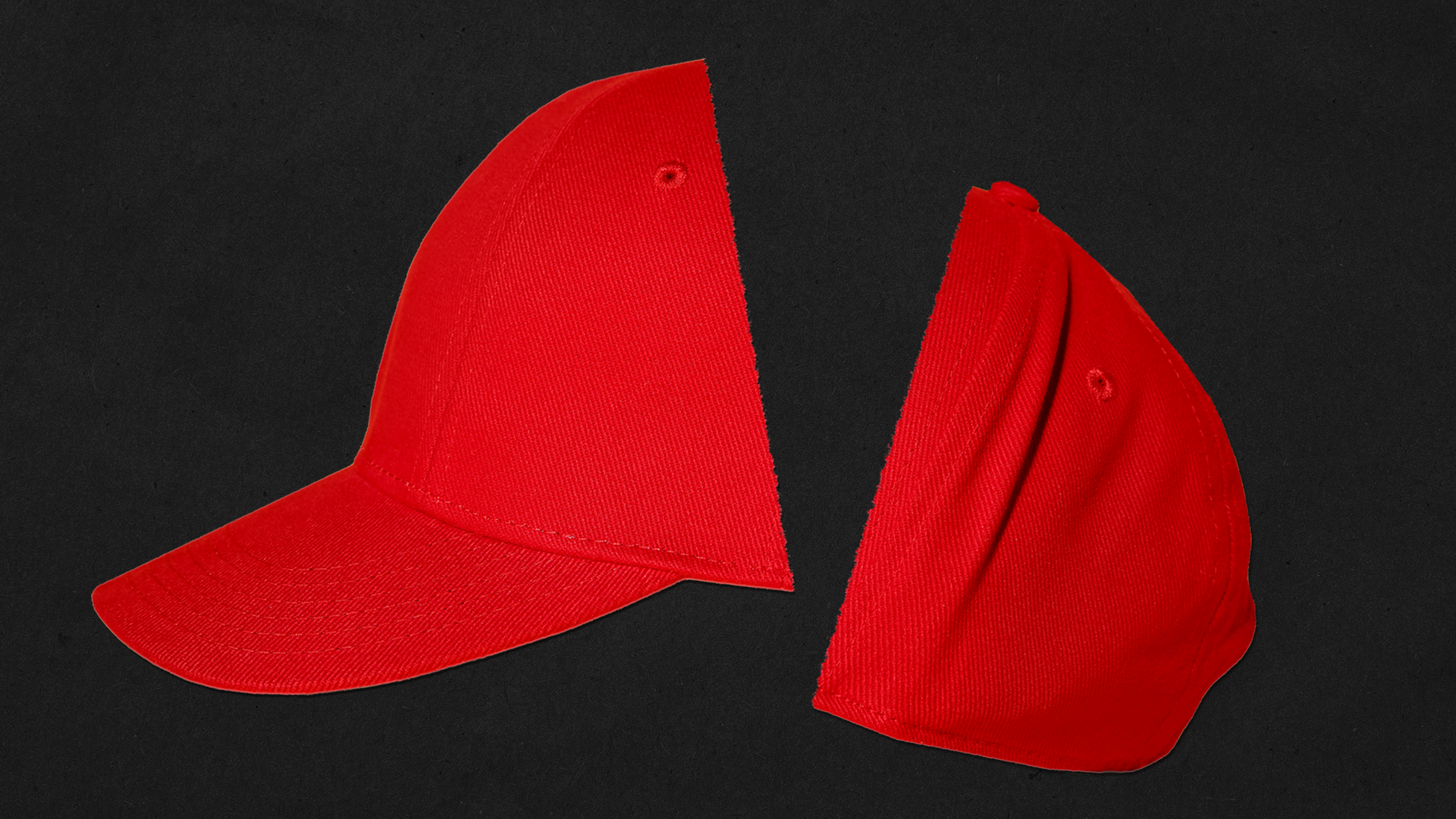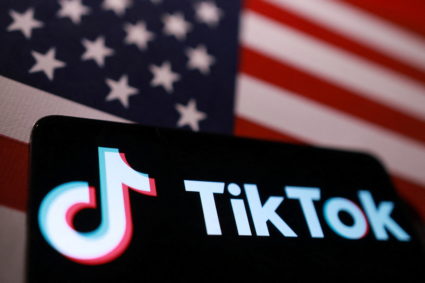
President Trump says TikTok is staying. The bigger question is what, exactly, got “saved”: the app Americans scroll, or the leverage Beijing fears losing.
A new Trump-announced arrangement keeps TikTok available for roughly 200 million U.S. users, capping a multi-year legal and geopolitical standoff triggered by a federal law requiring divestment from TikTok’s China-based parent company, ByteDance, or a nationwide ban. But in PBS NewsHour’s transcript of Nick Schifrin’s report, multiple national security voices argue the deal looks more like a repackaging than a clean break, especially where it matters most: the algorithm.

The deal pitch: Americans on the board, Oracle on the data
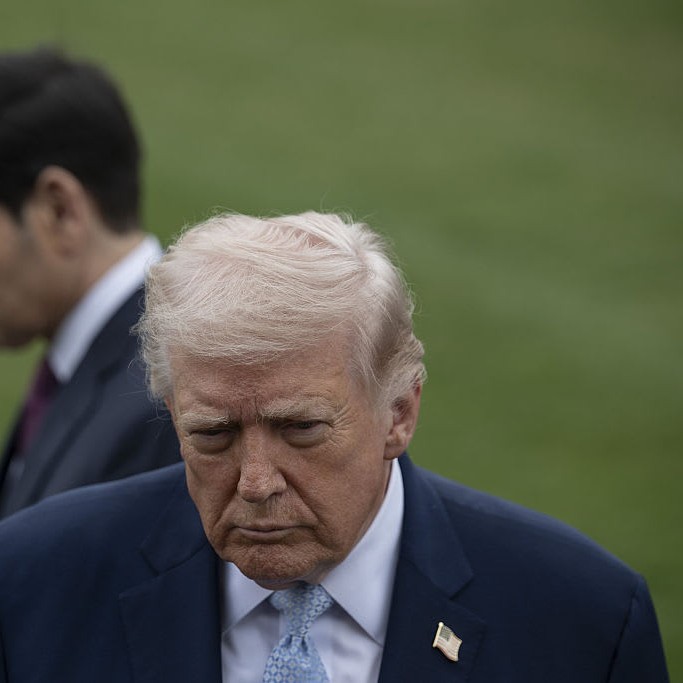
On PBS, Schifrin describes a structure designed to sound like a firewall. Trump touted TikTok U.S. as owned by what he called “a group of great American patriots and investors,” posting about it on Truth Social, according to the same report.
TikTok’s own release, as summarized in the PBS transcript, says Oracle will house Americans’ data and secure the TikTok U.S. app. The company also says TikTok U.S. will “retrain, test and update the algorithm.” The catch, per PBS: the app’s Chinese parent company ByteDance would still retain ownership, with PBS reporting a 19.9 percent ByteDance stake and three 15 percent stakes held by Oracle, MGX, and Silver Lake, plus a board of directors described as majority American.
What to know about the deal to keep TikTok in US https://t.co/5ZTp8jpDLq pic.twitter.com/KQ5HQA7vGU
— The Independent (@Independent) January 24, 2026
If that sounds familiar, critics say it is because it is familiar. TikTok has already spent years trying to reassure Washington with its U.S. data security initiative commonly known as Project Texas, which TikTok has described as routing protected U.S. user data to Oracle and layering oversight mechanisms around access. TikTok laid out that strategy in its own Project Texas newsroom explainer.
The pushback: “It’s unilateral surrender to Beijing”
The sharpest criticism in the PBS segment comes from Hudson Institute senior fellow Michael Sobolik, who argues the new architecture does not solve the core threat if ByteDance still influences what the algorithm boosts, buries, or mutes.
“It’s unilateral surrender to Beijing,” Sobolik says in the PBS NewsHour transcript. He zeroes in on algorithmic control as the real prize, not just where the data sits. “The real concern here isn’t the data that it’s being trained on. It’s what the algorithm is emphasizing or censoring,” Sobolik says.
Trump’s own TikTok affection also surfaced in the segment. “I have a warm spot in my heart for TikTok,” Trump says in the same transcript, a line that now reads less like a punchline and more like a policy clue.
Oracle as guardian, or Oracle as cover story
Supporters of the arrangement point to Oracle’s role as the “safe hands” intermediary, essentially the lockbox provider for U.S. user data. In the PBS report, Schifrin frames the central question plainly: if Oracle is protecting U.S. users’ data, what is wrong with that?
Sobolik’s answer hinges on history. He argues Oracle-style hosting is not new, and he points to past reporting that raised doubts about whether the system prevents sensitive access requests from traveling back through ByteDance and TikTok’s internal channels. The PBS transcript references investigations “from Forbes, from BuzzFeed, and other outlets.”
Those concerns trace to earlier disclosures. In 2022, BuzzFeed News published leaked internal audio in which employees discussed U.S. user data being repeatedly accessed from China, despite TikTok’s public assurances. The same year, Forbes reported that ByteDance employees accessed TikTok data in an effort to identify sources of leaks by tracking journalists, allegations ByteDance later acknowledged in internal findings as involving improper access by employees.
That trail is why skeptics are not impressed by a deal that sounds like “more oversight” without proving a clean severing of control.
Why the divest-or-ban law was written in the first place
The legal backdrop is not a vibes-based debate. Congress passed legislation requiring TikTok to divest from ByteDance or face a ban, framing the app as a potential national security risk if controlled by a company subject to Chinese state influence.
The US and China reportedly finalized a deal granting a group of Trump-approved investors, including Oracle, control of #TikTok’s American unit, allowing the app to remain in the country after its delayed ban.#Forbes
For more details: 🔗 https://t.co/MuDpf7NQJ0 pic.twitter.com/l6Bkde8WUj
— Forbes Middle East (@Forbes_MENA_) January 23, 2026
The 2024 law that set the divestment clock, often referred to as the “divest or ban” TikTok measure, is part of a broader statutory package. The text and legislative history can be traced via Congress.gov’s page for H.R. 7521, which includes the foreign adversary-controlled applications provisions that targeted TikTok’s ownership structure.
That law is why any deal that leaves ByteDance with a substantial stake, or leaves open questions about algorithm governance, becomes instantly controversial. The whole point was to reduce foreign control, not just to build a nicer fence around it.
“Saved” for voters, not just users
TikTok is not merely a platform. In U.S. politics, it is also an audience. TikTok says it has roughly 170 million U.S. users in recent company materials, and it has repeatedly highlighted its scale and economic footprint in the U.S., including via posts in TikTok’s newsroom. PBS’s segment uses a larger figure, saying the administration “saved” TikTok for 200 million Americans, underscoring the political point even if estimates vary by source and timeframe.
In the PBS transcript, Trump delivers the line that critics will quote back at him for months: “To all of those young people of TikTok, I saved TikTok, so you owe me big.” That is not a national security argument. It is an election argument, wrapped around a tech policy fight.
TikTok reached a deal to form a new U.S. division.
READ MORE:https://t.co/iV1yxkFH3u pic.twitter.com/dvK6PQrxuq
— ABC News 4 (@ABCNews4) January 23, 2026
What to watch next: algorithm audits, enforcement, and the real ownership math
If this deal is going to withstand legal scrutiny and bipartisan pressure, the next phase will be about details that do not fit in a Truth Social post.
Three questions will dominate:
First, who can ultimately change the recommendation algorithm, and how would U.S. regulators verify that control is insulated from ByteDance leadership? A promise to “retrain, test and update” is not the same as enforceable independence.
Second, what enforcement teeth exist if investigators uncover backchannel requests for data or influence, especially given the history of reporting that suggested U.S. data protections could be bypassed or blurred? The older reporting from BuzzFeed News and Forbes will not disappear just because new paperwork exists.
Third, does the ownership and governance structure actually satisfy the spirit, and the letter, of the divestment law detailed on Congress.gov?
For now, the deal’s sales pitch is clean and fast: TikTok stays, America safeguards, China boxed out. The PBS report leaves a different aftertaste. As Sobolik puts it in the transcript, “The president got bad advice on this deal. I know he loves a good deal, but this is the art of the steal, not the art of the deal.”
References
PBS NewsHour transcript and segment: “National security experts argue U.S. TikTok deal falls short”
Congress.gov: H.R. 7521 (118th Congress), legislative text and actions
TikTok Newsroom: “Project Texas” explainer
BuzzFeed News: Leaked audio and reporting on TikTok U.S. data access from China
Forbes: Reporting on ByteDance employee access to TikTok data involving journalists