One line from Donald Trump about Iran’s Supreme Leader is now ricocheting through the Persian Gulf rumor mill, the Pentagon press shop, and Tehran’s command chain. The question hanging in the air is simple. Was this just talk, or the opening note in something larger?
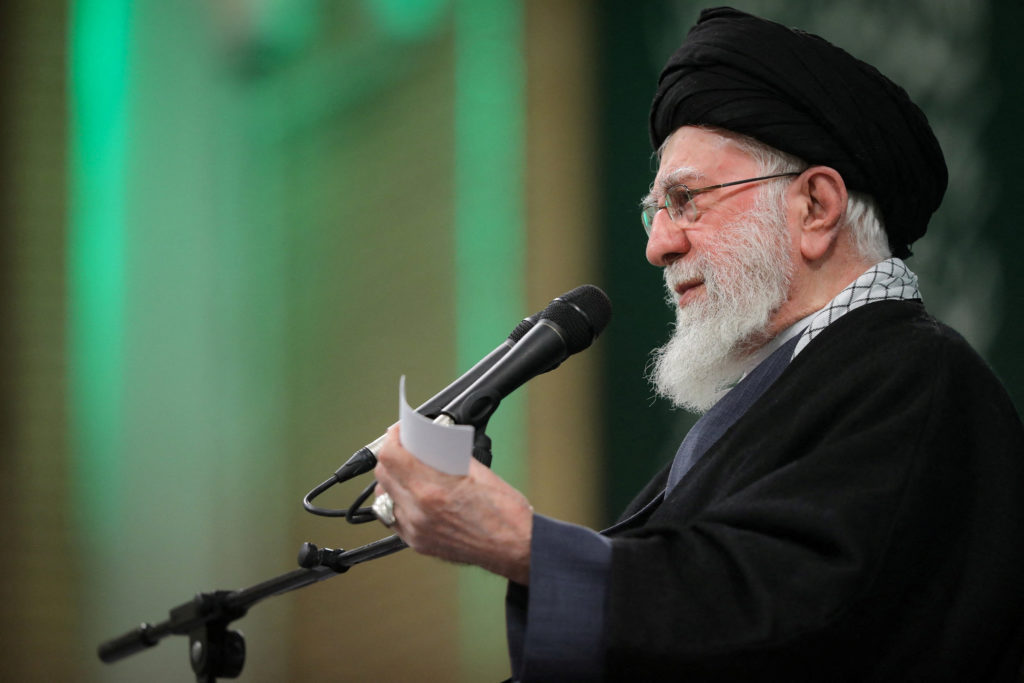
Iran’s military leadership is treating it like the second option. In comments carried by PBS NewsHour from the Associated Press, a top armed forces spokesman warned Trump not to “take any action” against Ayatollah Ali Khamenei, days after Trump publicly called for an end to Khamenei’s nearly four-decade rule.
A Threat Aimed at One Man, and a Message Aimed at Washington
The warning was delivered from Dubai’s news dateline but aimed straight at the Oval Office.
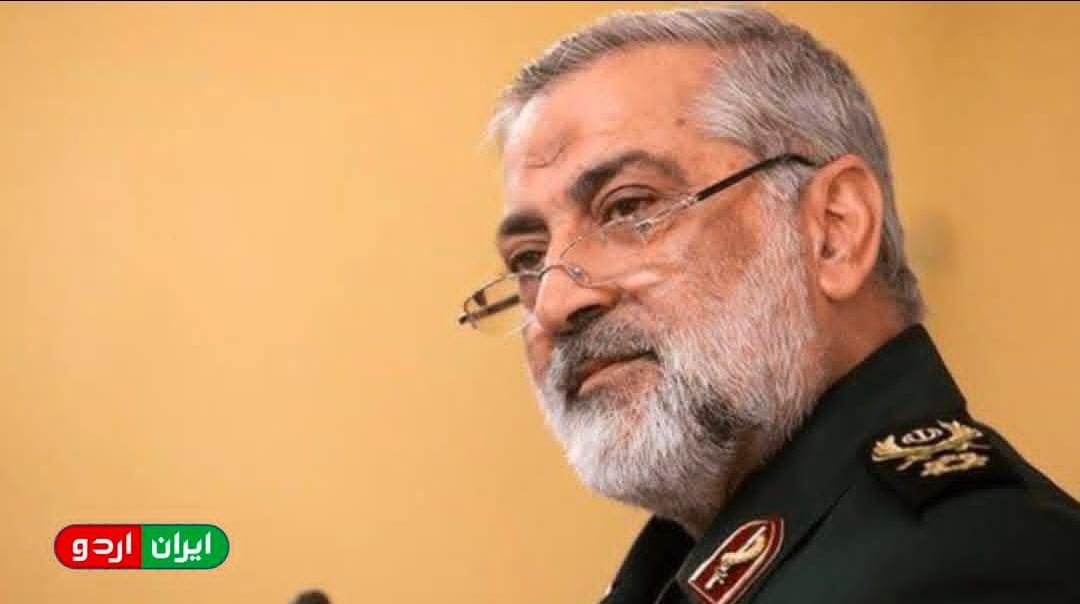
“Trump knows that if any hand of aggression is extended toward our leader, we not only cut that hand but also we will set fire to their world,” Gen. Abolfazl Shekarchi, a spokesman for Iran’s armed forces, said, according to the AP report published by PBS.
It is the kind of language Tehran uses when it wants deterrence to feel personal, not theoretical. Shekarchi did not spell out what “action” would mean in practice, but the framing was clear. The red line is Khamenei.
This is also what makes the episode different from routine U.S.-Iran sparring over sanctions or diplomacy. The argument has moved up the ladder to leadership itself, and Iran is signaling it will not treat that as rhetorical sport.
Trump’s ‘New Leadership’ Line, and Tehran’s Hair-Trigger Response
The sequence matters. Shekarchi’s remarks came after Trump’s weekend comments to Politico, which the AP report cites directly.
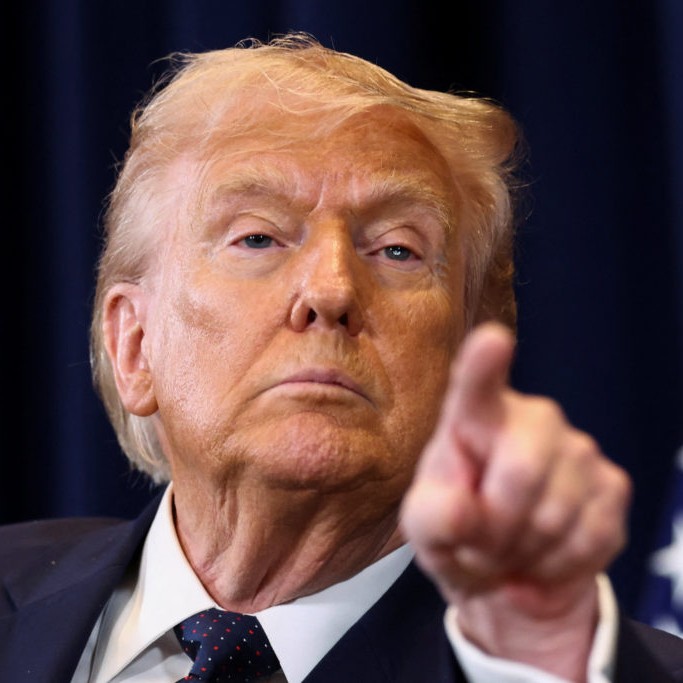
Trump described Khamenei as “a sick man who should run his country properly and stop killing people,” and added, “it’s time to look for new leadership in Iran.”
Those are not minor jabs. In Tehran’s worldview, talk of “new leadership” can sound like regime change by another name, even when it is delivered as political commentary rather than an operational threat.
The report also notes Trump has drawn what it calls two “red lines” for Iran amid its crackdown on protests: the killing of peaceful protesters, and mass executions after demonstrations. The White House’s public posture, in other words, is being framed around human rights consequences. Iran’s public posture is being framed around retaliation and sovereignty.
The Carrier Move That Everyone Is Watching, Even Without an Official Headline
Diplomatic words are one thing. Naval movement is another, because it gives everyone something to point to.
According to ship-tracking data cited in the AP report, the USS Abraham Lincoln, recently operating in the South China Sea, had passed through the Strait of Malacca by Tuesday. That chokepoint connects the South China Sea and the Indian Ocean, and the carrier’s transit puts it on a track where “heading west” becomes a strategic hint, even if nobody in uniform wants to confirm the destination.
A U.S. Navy official, speaking on condition of anonymity, told the AP that the aircraft carrier and three accompanying destroyers were heading west. The report adds that defense officials stopped short of saying the strike group was bound for the Middle East, but its location and heading in the Indian Ocean put it only “days away from moving into the region.”
This is where Washington’s carefully limited language and Tehran’s maximalist language start to collide. The United States, at least publicly, is not declaring a deployment to the Middle East. Iran, at least publicly, is warning of catastrophic consequences if Khamenei is targeted. Between those two positions sits a carrier strike group that can be interpreted as either precaution, pressure, or coincidence.
The AP report also points out that this would not be unprecedented. The Abraham Lincoln was rerouted to the Middle East in 2024, and the USS Nimitz strike group was ordered to the region last June, according to the same report. In other words, the U.S. has a recent habit of moving carriers when regional instability spikes, even if the public messaging stays cautious.
Numbers, Arrests, and an Information Blackout Inside Iran
The backdrop to this leadership-level escalation is unrest inside Iran, and a death toll that is still contested and difficult to verify.
The AP report says protests began Dec. 28 over Iran’s ailing economy and were met with what it calls a violent crackdown. It cites a figure of at least 4,484 deaths from the U.S.-based Human Rights Activists News Agency. The report describes the group as having been accurate over years of demonstrations and unrest, relying on a network of activists inside the country who confirm reported fatalities. At the same time, it notes the Associated Press has been unable to independently confirm the figure.
That tension, credible track record versus the limits of independent verification, is the story inside the story. Iran is also under a government-imposed internet shutdown that began Jan. 8, the AP report says, and the information blackout is a force multiplier for rumor, fear, and propaganda.
Iran’s own top leadership has offered a different benchmark. Khamenei said Saturday that the protests left “several thousand” people dead and blamed the United States, according to the AP report. That was described as the first indication from an Iranian leader of the extent of the casualties.
Arrests are even larger. The AP report cites 26,127 people arrested, also attributed to the Human Rights Activists News Agency. It adds that comments from officials have fueled fears that some detainees could be put to death in Iran, which the report calls one of the world’s top executioners.
Then came an ultimatum-like appeal from the police chief. National police chief Gen. Ahmad Reza Radan said those turning themselves in would receive more lenient treatment than those who do not, according to Iranian state television, as cited by the AP report. “Those who were deceived by foreign intelligence services, and became their soldiers in practice, have a chance to turn themselves in,” Radan said. “In case of surrender, definitely there will be a reduction in punishment. They have three days to turn themselves in.”
He did not elaborate on what happens after the three days, the AP report notes. That silence is doing its own work.
Why the Rhetoric Matters Now
On paper, a war of words is cheap. In practice, this one is expensive because it lands on three pressure points at once.
First, leadership. When a U.S. president talks about “new leadership” in Iran, Tehran hears an existential threat, not campaign-style commentary. That perception increases the chance of miscalculation, especially when Iranian officials respond with language about “setting fire” to an opponent’s world.
Second, visibility. A carrier transiting through the Strait of Malacca is a fact, not a rumor. Even without an official declaration, it becomes a floating headline that both sides can use, either as deterrence or as proof of hostile intent.
Third, a domestic crisis. Iran’s protest death toll claims, mass arrests, and internet shutdown create a closed information environment where leaders often tighten control and externalize blame. Khamenei blaming the United States for the casualties, as the AP report recounts, fits that pattern and raises the stakes for any U.S. messaging that seems to echo the idea of replacing Iran’s leadership.
What To Watch Next
The immediate tells are not in speeches. They are in motion and in paperwork.
Watch whether the USS Abraham Lincoln strike group visibly enters Middle East waters, and whether U.S. officials shift from noncommittal language to explicit mission framing. Watch whether Tehran’s leadership doubles down on the “hand of aggression” warning, or pivots to more formal diplomatic channels.
Inside Iran, watch what happens after the police chief’s three-day surrender window, and whether information continues to seep out despite the internet shutdown, which the AP report says began Jan. 8.
For now, the clearest line in the whole episode is not Trump’s insult or Tehran’s threat. It is the fact that both sides are talking about leadership, while a U.S. carrier heads west and Iran’s casualty numbers remain both staggering and disputed. In that kind of fog, a single quote can become a fuse.