Arizona’s 2020 election fight is back on the federal desk, and this time the paper trail is moving quietly. The question is why investigators are reaching for records that multiple reviews already said did not show the fraud story voters keep hearing.
What You Should Know
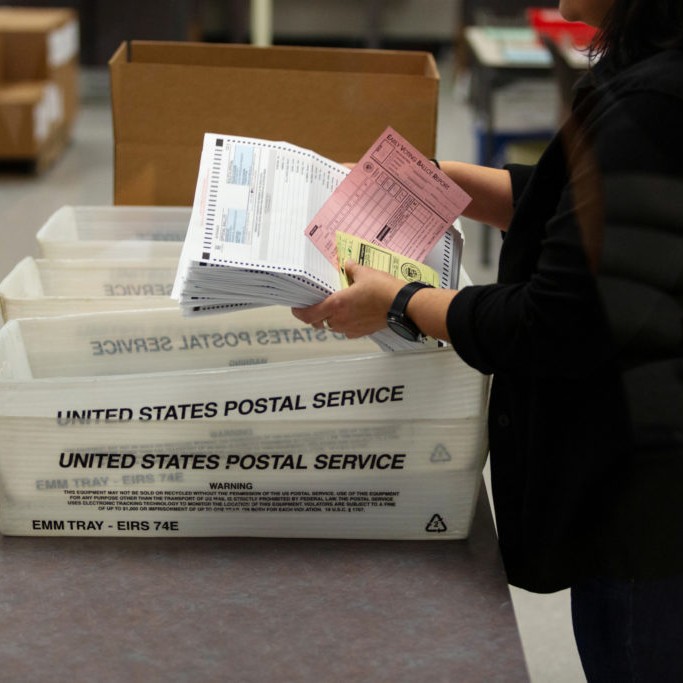
Arizona Senate President Warren Petersen said March 9th, 2026, that he provided 2020 election-related records to the FBI in response to a federal grand jury subpoena tied to Maricopa County’s contested audit. State Democrats say prior audits found no outcome-changing fraud.
The handoff is the latest sign that the Trump administration’s Justice Department and the FBI are pressing ahead with 2020-focused requests in battleground states, even as Arizona officials warn about voter data privacy and political blowback.
Why the Arizona Records Matter
Petersen, a Republican, said he complied “late last week” with the subpoena connected to the 2021 review ordered by GOP lawmakers in Maricopa County, the state’s biggest vote trove. “The FBI has the records,” he wrote.
💥The FBI now has records from Arizona’s controversial 2020 election audit.
Arizona Senate President Warren Petersen says he complied with a federal grand jury subpoena.
The documents relate to the Maricopa County review of the 2020 election.
No charges announced. @RL9631… pic.twitter.com/HPB2LNFRq0
— Richard Miriti (@miriti55453) March 9, 2026
That line lands in a state where the marquee audit already became a political brand, one that critics say was designed to keep suspicion alive, not to settle it. According to The Associated Press, Arizona Attorney General Kris Mayes, a Democrat, argued that audits, investigations, and court fights already found no evidence of widespread fraud that could have changed the result.
Those earlier findings are not minor footnotes. The Cyber Ninjas-led effort ended without proof for the stolen-election claim, and it reported Biden actually gained 360 votes in Maricopa County compared with the county’s certified results, according to the AP report.
Subpoena vs Warrant: Two Different Plays
The Arizona move also stands out because of the tool used to get the records. In January, the FBI took ballots and other materials from Georgia’s Fulton County after prosecutors sought a judge-approved search warrant, the AP reported, a higher bar that requires showing probable cause.
In Arizona, the FBI relied on a grand jury subpoena, which can compel production without a judge signing off on probable cause in the same way a warrant does. That difference matters politically because it lets both sides tell different stories: investigators can say they are following leads, and critics can argue the bar to demand records was lower.
Big development in the ongoing 2020 election inquiries:
Arizona Senate President Warren Petersen just posted that he received & complied with a federal grand jury subpoena for records tied to the GOP-led 2021 Maricopa County audit. “The FBI has the records.”
This follows… pic.twitter.com/ExyYbNrAtb
— GRANDPA’s FREE ADVICE (@GOP_is_Gutless) March 9, 2026
Data Privacy, Political Leverage, and the Next Move
The records fight is also colliding with a separate pressure point: detailed voter data. The AP report notes that the Justice Department has clashed with states over access to files that can include names, birth dates, addresses, and partial Social Security numbers, with election officials warning about privacy and possible voter roll impacts.
Arizona’s secretary of state, Adrian Fontes, suggested some Maricopa voter files may have been included in what Petersen turned over, and he signaled his office was weighing legal options to protect personal information, according to the AP. The next tells will be narrow but revealing: whether subpoenas spread to other officials, and whether Arizona officials try to wall off voter data while still complying with federal demands.