One of Watergate’s biggest plot twists did not start with a break-in. It started with a staffer answering a question, and a presidency learning, too late, what evidence sounds like.
What You Should Know
Alexander Butterfield, a former Nixon White House aide and later FAA administrator, died at 99, according to the Associated Press. In July 1973 Senate testimony, he confirmed a secret taping system that became a central piece of Watergate evidence.
Butterfield’s death was confirmed to the Associated Press by his wife, Kim, and by John Dean, Nixon’s former White House counsel, who became a key Watergate witness. Butterfield was 99.
Alexander Butterfield, who revealed Nixon Watergate tapes, dies aged 99.
Butterfield was the former White House aide who revealed the existence of the secret taping system central to Watergate. #Watergate #US #BREAKING #BreakingNews #News pic.twitter.com/oo79eAAfaR— Ginny Jackson (@GinnyDJcksn94) March 10, 2026
The Question That Opened the Vault
By the time Butterfield faced Senate investigators on July 16th, 1973, he was no longer working inside the White House. He had moved to the Federal Aviation Administration, which made the moment feel less like a palace coup and more like an administrative footnote.
Then came the question investigators had been circling: Was there a taping system? Butterfield acknowledged there was, and the Watergate hunt shifted from competing memories to recorded audio.
Dean put the stakes plainly, praising Butterfield for disclosing a secret that benefited the investigation and torched the old rules of loyalty. “He had the heavy responsibility of revealing something he was sworn to secrecy on, which is the installation of the Nixon taping system,” Dean said. “He stood up and told the truth.”
A Recording System Meant for the President
Butterfield oversaw the system as a deputy assistant to Nixon, according to the Associated Press, with voice-activated devices placed in multiple locations, including the Oval Office and the Cabinet Room. Butterfield later said he believed only a small circle knew, naming chief of staff H.R. Haldeman, an assistant, and some Secret Service agents.
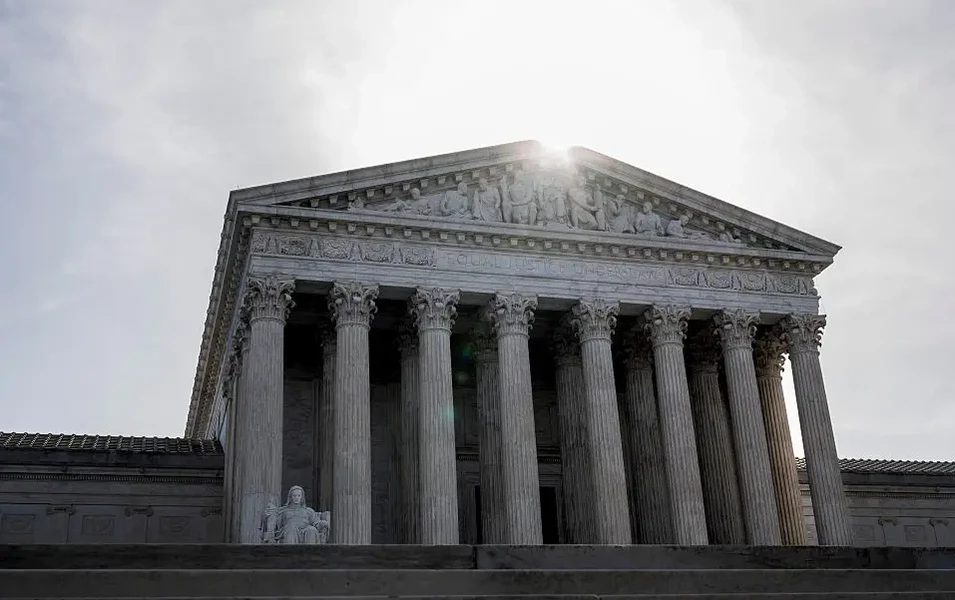
What made the tapes so powerful was not their existence, but their promise. The Supreme Court ultimately ordered Nixon to surrender relevant recordings in a unanimous July 1974 decision, and Nixon resigned on August 9th, 1974, as impeachment loomed in the House.
The recordings, now controlled by the National Archives, became a rare window into how power talks when it thinks no one is listening. They also hardened a lesson for every administration since: internal secrecy can turn into external proof.
Butterfield’s Late-Life Verdict on Nixon
Butterfield did not spend his later years polishing Nixon’s legacy. In an oral history cited by the Associated Press, he described his own discomfort with the role he played, while also offering a blunt assessment of Nixon’s character and the scandal’s command structure.
For readers who think Watergate is distant history, Butterfield’s story is the closer-to-the-bone version. A system built to protect a president’s control ended up limiting it, and one witness’s confirmation helped make the cover-up legible.
Butterfield left government, worked as a business executive in California, and later completed a master’s degree at the University of California, San Diego. His name, however, stayed welded to the moment the investigation found its most valuable lead.