

At a moment when governments normally tighten their message, President Donald Trump loosened his. Asked about responsibility for a deadly strike on an Iranian girls’ school, he pointed to a weapon trail, and then undercut his own certainty.
What You Should Know
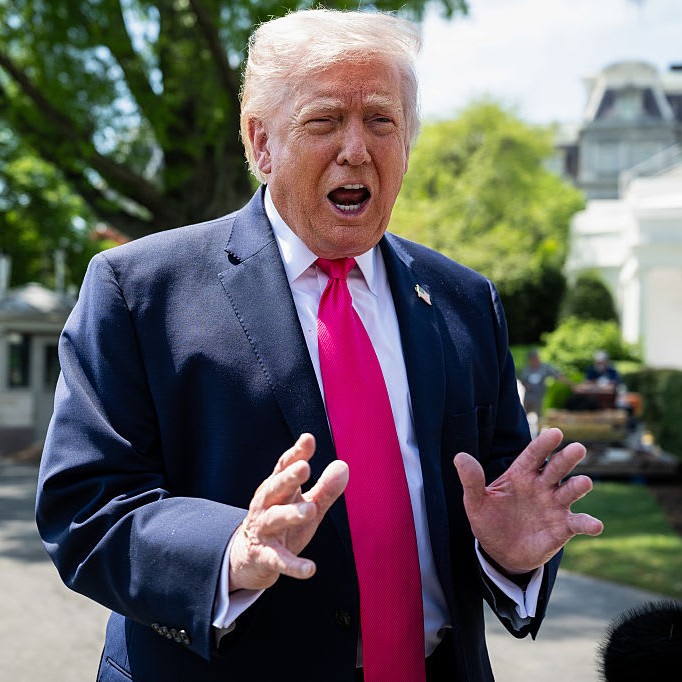
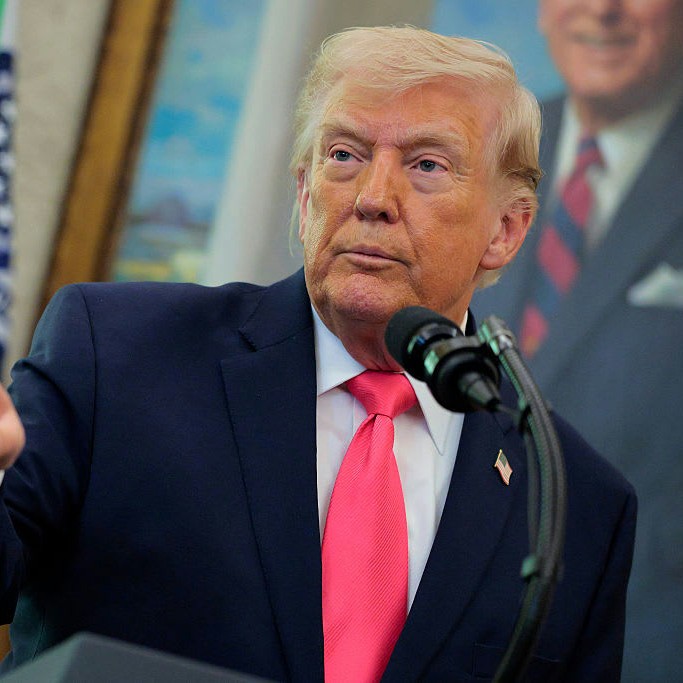
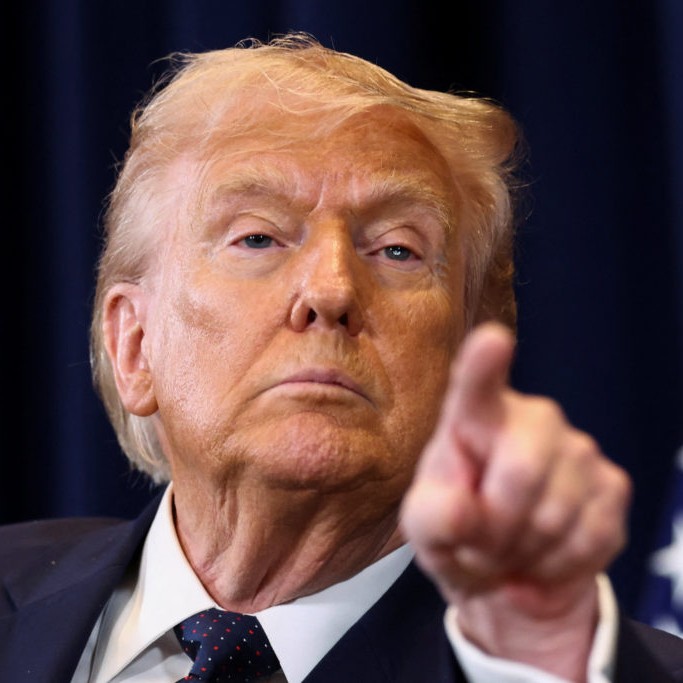
On March 9th, 2026, President Donald Trump said Iran may have access to U.S.-made Tomahawk cruise missiles while sidestepping questions about U.S. responsibility for a strike on an Iranian girls’ school that reportedly killed 165 people.
The exchange, reported by The Associated Press in a PBS NewsHour write-up, put a single technical claim at the center of a much bigger question: who fired, who knows, and who is prepared to own the consequences.
The Claim Meets the Follow-Up
According to the AP account, Trump argued that Tomahawks are used by multiple countries, and he suggested Iran has them, too. The question he was responding to was narrower and sharper: would the United States accept responsibility for the strike?
Then came the line that turned a policy posture into a credibility problem. When asked why he appeared to be the only person in his administration making the Iran-Tomahawk claim, Trump replied, “Because I just don’t know enough about it.”
Why the Tomahawk Detail Matters
The Tomahawk is not a generic rocket you pick up at a roadside stall. It is a U.S.-designed, U.S.-built cruise missile associated with the U.S. Navy, and it sits inside a web of export rules, oversight, and partner agreements, according to public U.S. military descriptions and Congressional Research Service reporting on U.S. arms sales and controls.
PBS, citing AP, noted that Raytheon has sold Tomahawks to U.S. allies, including Japan and Australia, but that there was no evidence presented that Iran has obtained the missile. That is the tension point. Trump floated an alternate culprit while describing his own knowledge as limited.
What Happens Next
If investigators conclude the strike was launched by the United States or a U.S. partner, the political stakes multiply quickly: civilian-death scrutiny, operational accountability, and diplomatic blowback. If the strike is traced elsewhere, the stakes shift toward intelligence failures, escalation risks, and the credibility of U.S. public claims.
For now, the White House has a problem that is simpler than missile forensics. The president made a high-impact assertion about a controlled weapon system, and then told reporters he did not have enough information to back it up.