

One British deal in the Indian Ocean just got pulled into a fight over an Arctic island. And at Prime Minister’s Questions, Keir Starmer insisted he saw the move coming.
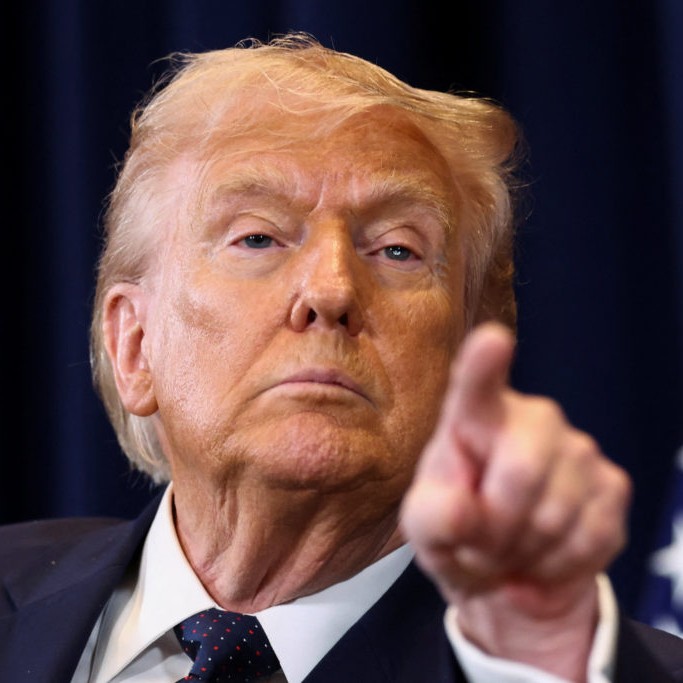
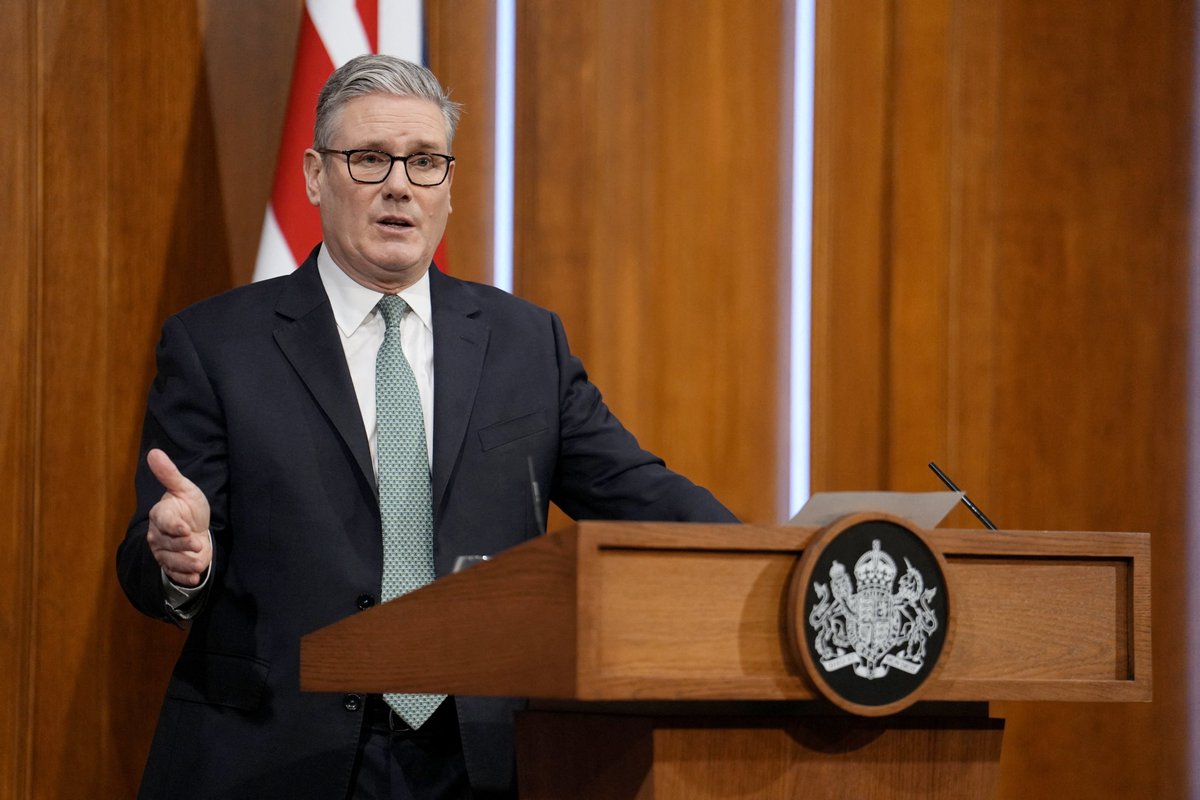
The prime minister told MPs he would not “yield” to pressure from Donald Trump on Greenland, after the US president blasted the UK’s Chagos Islands agreement and, according to Starmer, did it with a purpose.
The Claim Starmer Put on the Record: Chagos as Leverage
Starmer’s argument was unusually direct for the Commons: Trump previously welcomed the UK’s Chagos Islands arrangement, then attacked it in order to push Britain on Greenland.
Keir Starmer slams Donald Trump over US President’s Chagos Islands comments https://t.co/QivOjq80m2 pic.twitter.com/bh2TFl7EAK
— Standard News (@standardnews) January 21, 2026
According to BBC News, Starmer told MPs Trump had criticised the Chagos deal after earlier saying he supported it “for the express purpose of putting pressure on me and Britain in relation to my values and principles on the future of Greenland”.
Starmer’s bottom line was a refusal to shift on Greenland’s status, saying “the future of Greenland is for the people of Greenland and the Kingdom of Denmark alone”. He also said he would host Denmark’s prime minister, Mette Frederiksen, at Downing Street.
What Trump Said About Chagos, and Why It Matters to Washington
Trump’s public trigger was the UK’s agreement to transfer sovereignty of the Chagos Islands to Mauritius while leasing back the strategically crucial military base on Diego Garcia, a long-standing UK-US facility. Trump called the arrangement an “act of great stupidity”, the BBC reported.
The UK signed a 3.4bn ($4.6bn) agreement in May to secure continued control of the base arrangements, including the leaseback of Diego Garcia. In political terms, it is the kind of agreement that lives or dies on allied confidence. In diplomatic terms, it is catnip for any leader looking to frame partners as weak.
That is why Starmer’s suggestion about motive matters. If Chagos can be weaponised in public as a loyalty test, it turns a security arrangement into a pressure point.
The Greenland Squeeze: Tariffs, Threats, and a Hard ‘No’ on Force
Running in parallel is Trump’s revived push for US control of Greenland. The BBC reported he has threatened tariffs on European countries that oppose his demand to take control of the territory.
The most concrete pressure described in the report was a threatened 10% tariff, potentially beginning 1 February, on European countries, including the UK, unless they agree to his purchase of Greenland. Trump also publicly ruled out using military force to seize the territory, while still projecting strength at an event designed for global dealmaking.
Speaking at the World Economic Forum in Davos, Trump said: “We probably won’t get anything unless I decide to use excessive strength and force, where we would be, frankly, unstoppable. But I won’t do that. I don’t have to use force, I don’t want to use force, I won’t use force.”
Trump: I will not use force to seize Greenland. Trump has come to his senses. I am happy for my favorite king, the King of Denmark. @EmmanuelMacron @WhiteHouse @POTUS @bundeskanzler @Keir_Starmer @GiorgiaMeloni pic.twitter.com/mgCsPdrq1m
— SOUFIAN DEMRHI (@MaatiSouda70676) January 21, 2026
For the UK, the bind is obvious. A tariff threat hits the economy. A Greenland concession hits alliances and principles. Starmer’s line attempts to lock the second door and argue the first is manageable.
Parliament, Unexpectedly, Found a Rare Moment of Overlap
The Commons exchange exposed an odd split. Conservative leader Kemi Badenoch backed Starmer on Greenland, but echoed Trump’s criticism of the Chagos agreement, calling it “stupidity”, according to the BBC.
“We didn’t need President Trump to tell us that, we’ve been saying this for 12 months,” Badenoch told Starmer, urging him to “scrap this terrible deal and put the money into our armed forces”.
It is a political paradox that both sides can use. Labour can argue it is holding the line on allies and territorial integrity, while the Conservatives attack the cost and optics of Chagos. The Conservatives can argue the government is weak on the Indian Ocean deal while still sounding firm against US demands in the Arctic. That is how foreign policy disputes become domestic weapons.
Labour’s Pressure From the Other Side: Hit Back With Tariffs
Starmer also faced a demand from his own benches to stop absorbing blows and start throwing them.
Labour MP Steve Witherden urged the prime minister to close ranks with European allies and commit to retaliatory tariffs against the US over Greenland. Witherden used language that highlighted the temperature of the debate, calling Trump “the thug in the White House” and arguing: “He’ll continue to harm British interests no matter how compliant we are and, like all bullies, he will always find the weakest link.”
That intervention matters because it sketches the internal map Starmer has to navigate. The government can choose restraint to protect trade talks, or choose retaliation to show backbone. Either path comes with a price tag, economic or political.
Downing Street’s Careful Phrasing: ‘Five Eyes’ and Plausible Deniability
When asked whether the US still supports the Chagos agreement, Downing Street did not give a clean yes or no. Instead, it pointed to the intelligence-sharing alliance that includes the United States.
The BBC reported Downing Street told journalists: “our Five Eyes allies support it”, referring to the UK, Australia, Canada, New Zealand, and the US.
That wording does two things at once. It signals the government does not want to publicly declare a breach with Washington. It also avoids stating directly that Trump, personally, still supports the agreement. In a Trump-centered dispute, that distinction is not academic. It is the difference between a diplomatic spat and an alliance crisis.
Rachel Reeves Tries to Close the Market Panic Window
Tariff threats can hit confidence before they hit customs. The UK’s chancellor, Rachel Reeves, used Davos to try to shut down the idea that Britain can be pushed around economically.
Also speaking in Davos, Reeves said the UK would not be “buffeted around” by tariff threats, according to the BBC. She said Britain had an economic plan to “get us through challenging times” and that a trade deal with the US would not be “undone”.
Her message was aimed at two audiences at once: investors who fear trade disruption, and voters who want to see the government stand firm without detonating growth.
Why This Is Bigger Than Greenland, and Bigger Than Chagos
Greenland’s future is not a UK constitutional question. Chagos, however, is a UK decision tied to a sensitive military footprint. Starmer’s claim that Trump used one issue to force movement on the other is a warning that every agreement can become a bargaining chip in an era of transactional diplomacy.
That is why the story has legs beyond one bruising PMQs session. It is about how a US president’s public posture can reverberate through allied capitals, and how a British prime minister chooses to answer: with defiance, with dealmaking, or with something in between.
What To Watch Next
Starmer’s Downing Street meeting with Mette Frederiksen will be watched for language, not just outcomes. Does the UK restate Denmark’s authority over Greenland in sharper terms? Does it coordinate with European partners on tariffs? Does it attempt to lower the temperature with Washington behind the scenes while staying firm in public?
Trump, meanwhile, has already shown he will publicly criticize a deal he once welcomed. Starmer told MPs that the goal was to make Britain yield. Starmer’s reply, on the Commons record, was short and deliberately final: “He wants me to yield on my position, and I’m not going to do so.”