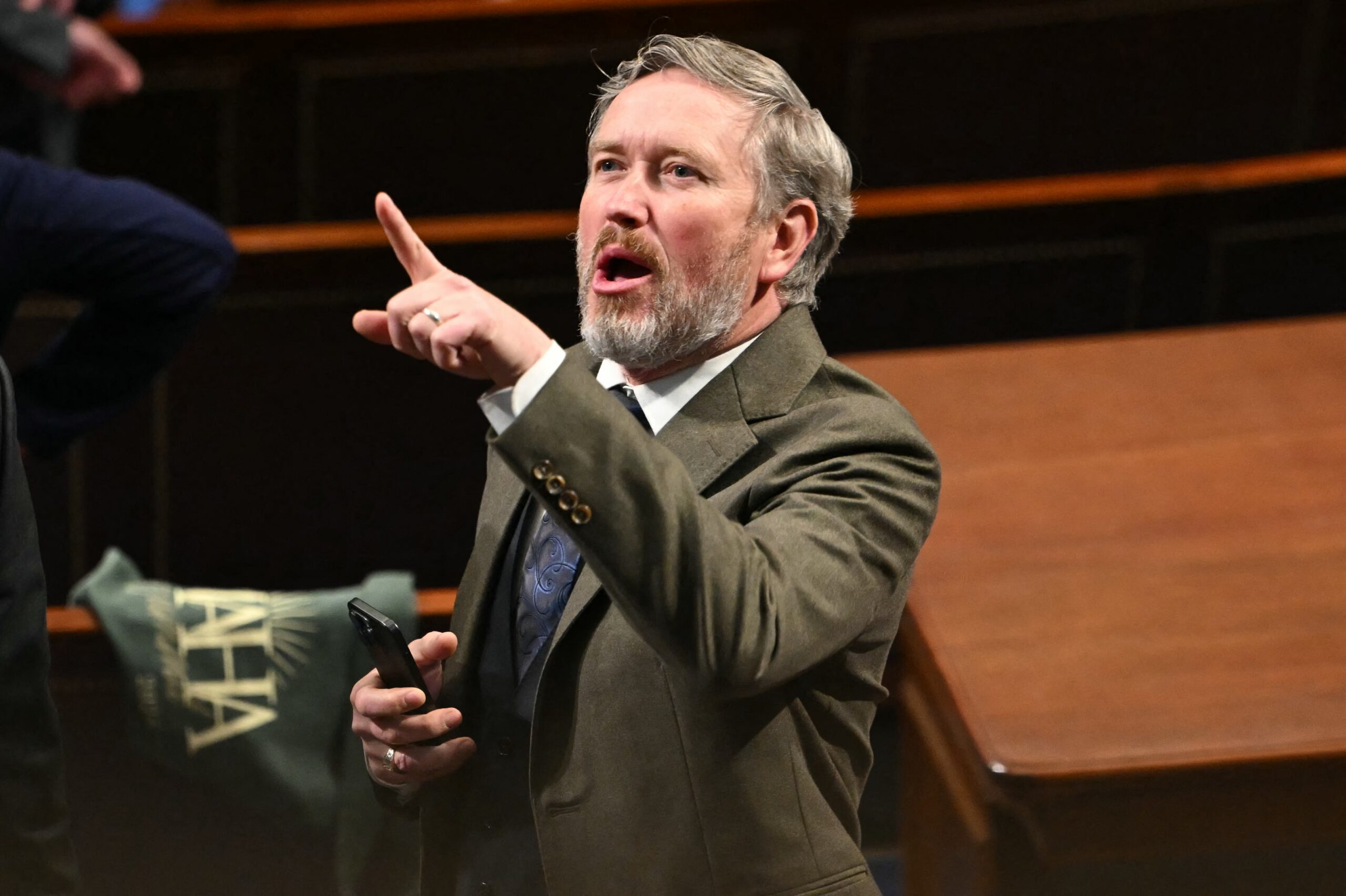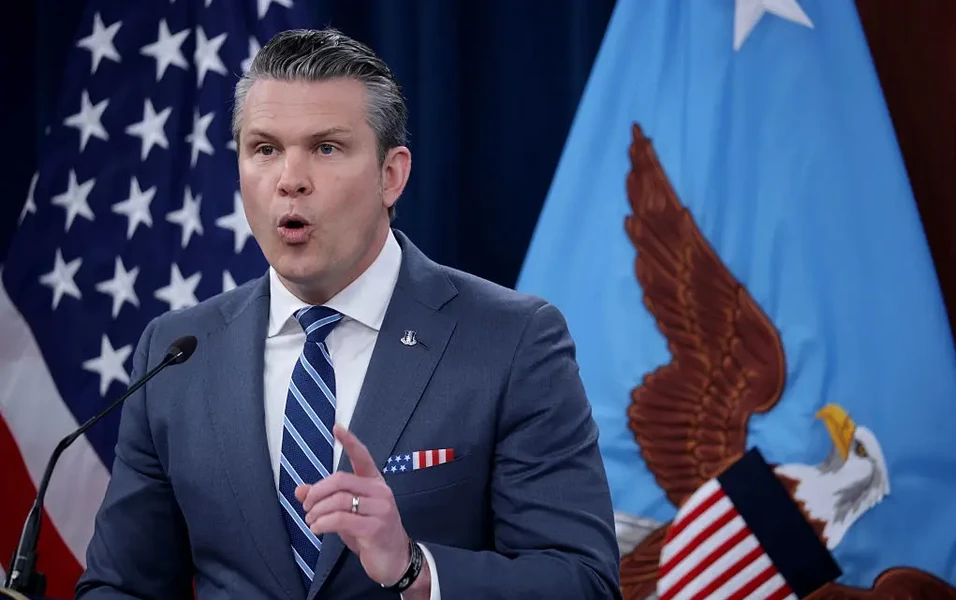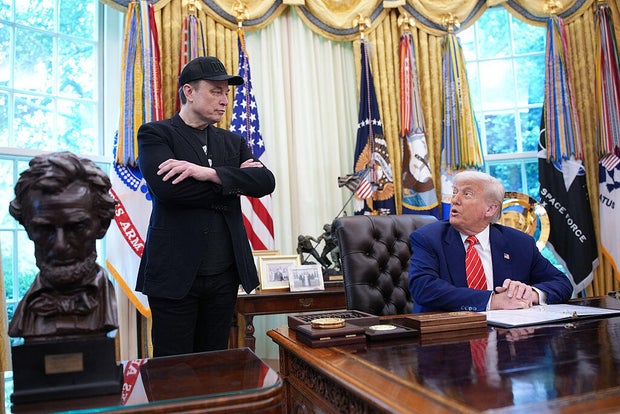
One year into President Trump’s return to power, the clues to his governing style are not just in policy memos. They are in the photo ops. Elon Musk in the Oval Office. Jerome Powell walking a renovation site. A presidential speech at Israel’s Knesset. And a White House dinner where Trump held a model arch like a trophy.
CBS News framed Trump’s first 365 days as a set of recurring themes, a kind of pattern-recognition exercise for a presidency moving fast and leaving a lot of whiplash behind. The through-line is not subtle. Change the map abroad, squeeze the system at home, and make the visuals impossible to ignore.
A Presidency Defined by Themes, Not Just Headlines
In its look back at the first year of Trump’s new term, CBS News said the president has “shifted America’s approach to foreign policy and allies, targeted his political enemies, prioritized mass deportations and put his mark on Washington’s architecture.” That summary is doing heavy lifting, because each of those lanes has its own stakes, its own enemies, and its own backlash machine.
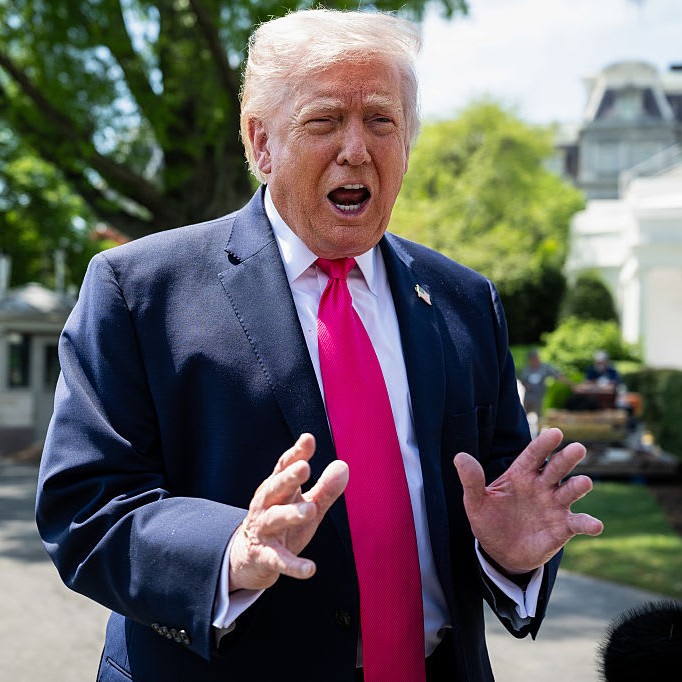
And the imagery attached to those themes is telling. One CBS photo caption shows Trump and Musk speaking to reporters in the Oval Office on May 30, 2025, a visual of business-world influence meeting executive power. Another shows Trump and Federal Reserve Chair Jerome Powell touring the Fed’s headquarters renovation project on July 24, 2025, “months before the Fed received subpoenas on the project from the Justice Department,” according to the caption. Add in the October 2025 Knesset visit, and the message is clear. The administration wants foreign leaders, domestic institutions, and famous power brokers all in the frame.
Foreign Policy: The Alliances Get a Stress Test
CBS put “foreign policy and allies” at the top of its list. That matters because alliances are not just friendships between leaders. They are leverage, basing agreements, intelligence sharing, trade alignment, and the quiet coordination that keeps crises from turning into catastrophes.
One of the most concrete snapshots CBS provided is a Reuters pool image showing Trump in Jerusalem on Oct. 13, 2025, as Israeli Prime Minister Benjamin Netanyahu addresses the Knesset, after Israel and Hamas struck a ceasefire deal. The optics are layered. Trump is positioned as a participant in a pivotal regional moment, and his presence signals that he wants to be seen as a deal-era president, not a distant observer.
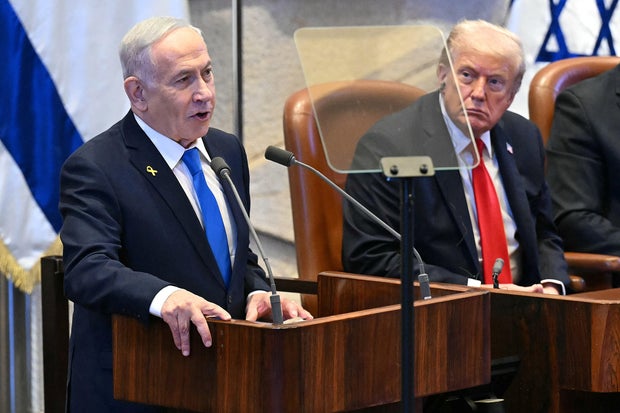
Supporters tend to argue that a more transactional posture forces allies to stop freeloading and makes adversaries take U.S. threats seriously. Critics counter that constant pressure on allies can thin out trust, which is hard to rebuild when a crisis hits at 3 a.m. Either way, the CBS framing suggests the administration made deliberate choices that changed the temperature of America’s relationships abroad.
Targeting Political Enemies: The System Becomes the Battlefield
On the home front, CBS says Trump has “targeted his political enemies,” language that lands differently depending on who is listening. For Trump’s base, it can read as overdue payback against a political class they believe protected itself. For opponents, it can look like using government power to punish dissent and settle scores.
The key detail in the CBS package is not a speech line. It is an institutional breadcrumb: the July 24, 2025, tour of the Federal Reserve renovation site, followed months later by Justice Department subpoenas tied to that project, per the CBS caption. Even without broader context, that sequence is the kind of timeline that fuels two competing narratives at once.
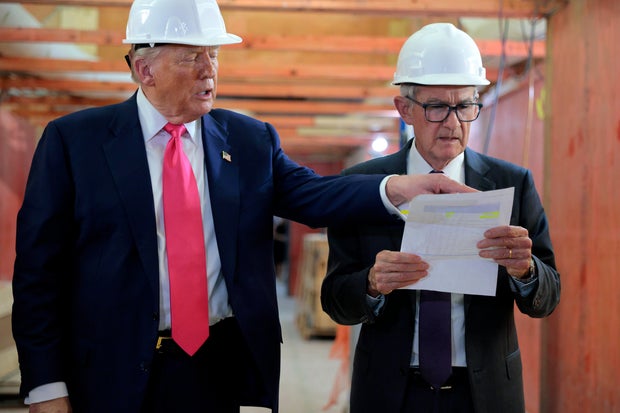
One narrative is accountability. The other is intimidation. The same fact pattern can be read as normal oversight or as a warning shot, depending on your priors and your politics. That ambiguity is part of the power. It keeps supporters energized and opponents defensive, while the institutions in the middle are forced to respond in public, on the record, and often under oath.
Mass Deportations: The Priority That Changes Daily Life Fast
CBS also said Trump has “prioritized mass deportations.” In practical terms, immigration policy is one of the fastest ways for any administration to change what Americans see and feel day to day, from workplace enforcement to detention capacity to local law enforcement partnerships.
It is also one of the clearest political dividing lines. Backers call it restoring order at the border and enforcing laws that have been ignored. Critics warn about humanitarian costs, family separation, due process concerns, and the economic disruption that can follow if labor markets shift abruptly.
What makes deportations a defining theme, rather than just one policy among many, is that it radiates outward. It hits mayors, school districts, courts, employers, and community groups, often forcing local officials to choose between cooperation, resistance, and careful neutrality. In a polarized country, neutrality can be its own kind of headline.
Architecture as Politics: Why the Arch Matters
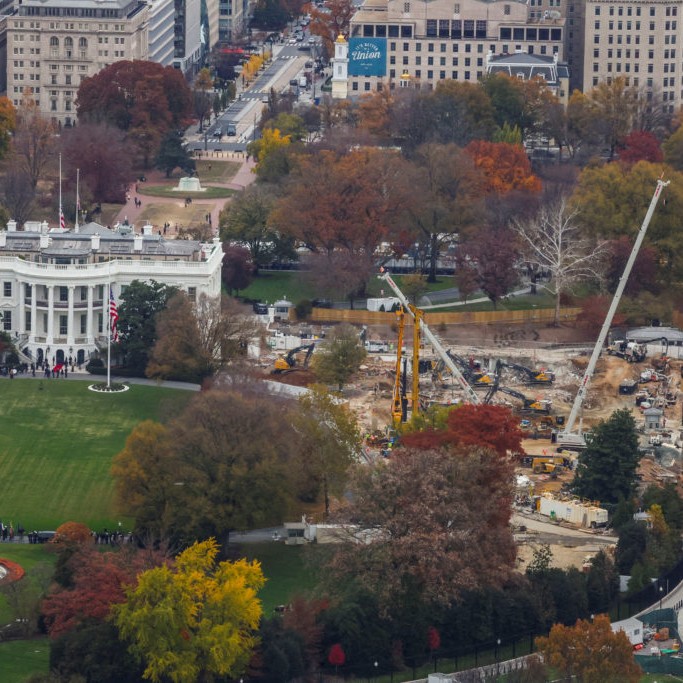
Then there is the piece of the CBS summary that might sound cosmetic until you look at the pictures. Trump “put his mark on Washington’s architecture,” CBS reported, and the imagery attached is unusually on-the-nose.
A Getty Images photo from Oct. 15, 2025, shows Trump holding a model of an arch while speaking at a ballroom fundraising dinner in the East Room of the White House. The caption notes he was announcing “‘Liberation Day’ Tariffs.” That phrase, “Liberation Day,” is doing double duty as economic branding and political theater. It turns a policy into a holiday-like moment, and it links money to symbolism in a way that is easy to remember and easy to sell.
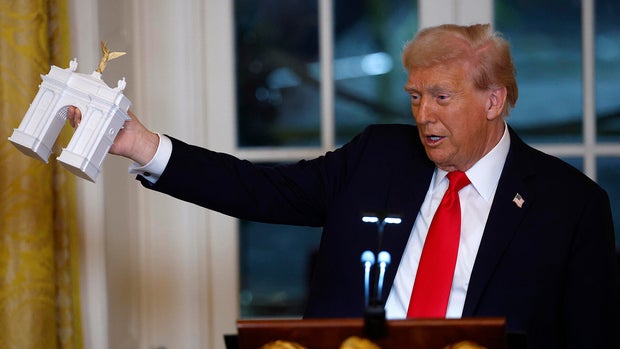
Presidents have always used buildings and backdrops to project power. What is different here, based on CBS’s framing, is the effort to make the physical transformation of Washington part of the presidency’s story. A new look for the capital becomes an argument about the country itself. If you like the administration, it is renewal. If you do not, it is ego and propaganda in stone.
Why People Care: Power, Money, and the Institutions Caught in the Middle
Put the themes together, and you get a single, sharper question. Is Trump’s second act about governance, or about dominance?
Foreign policy shakeups test alliances and can reset the global pecking order. Targeting enemies changes how agencies and prosecutors are perceived, especially when timelines involve subpoenas and tours of sensitive projects. Mass deportations reshape communities and can become a daily referendum on what kind of country the U.S. wants to be. And architecture, oddly enough, is the visible stamp that makes all of it feel permanent.
The cast of characters in the CBS images adds another layer. Musk, a private-sector titan, appears in the Oval Office. Powell, a central banker who traditionally keeps a distance from political theatrics, is photographed touring a renovation. Netanyahu and the Knesset appearance underline the international stagecraft. These are not random frames. They suggest a presidency comfortable with blurring the line between policy substance and symbolic confrontation.
What To Watch Next: More Receipts, More Pushback, More Stagecraft
CBS positioned these themes as the defining ingredients of year one. The natural next chapter is how institutions respond as the themes collide: courts handling challenges tied to enforcement, agencies defending their independence, allies recalculating commitments, and lawmakers deciding whether oversight is a check on power or a tool of it.
And watch the visuals. If the first year is any guide, the administration understands that pictures can travel faster than legislation. The most revealing moment might not be a bill signing. It might be the next carefully chosen room, the next invited power broker, or the next model held up for the cameras, with a label like “Liberation Day” attached.