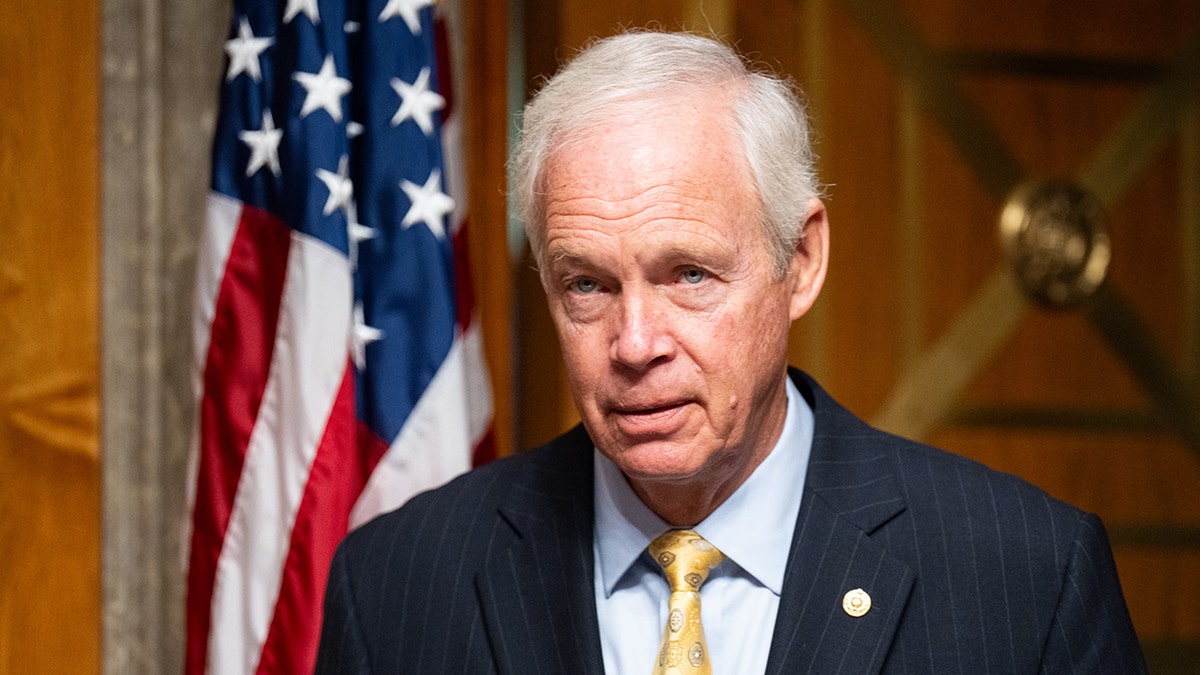
Sen. Ron Johnson is using a loaded word about Iran: unfinished. The question is not just what he thinks the United States should do next, but who, exactly, has signed off on the fight he is describing.
What You Should Know
In an April 12th, 2026, report, The Hill said Sen. Ron Johnson argued the U.S. conflict with Iran is still unfinished. His comments revive a long-running dispute over whether Congress has meaningfully authorized the ongoing hostilities as officials describe them.
Johnson, a Wisconsin Republican who has built a brand on confrontation politics, is tapping into a Washington habit: talk like a war is already here, then treat the legal and political paperwork like an optional add-on.
Johnson’s ‘Unfinished’ Label Creates a Power Problem
Calling a conflict unfinished implies a mission with an endpoint, a scoreboard, and a public claim to victory. In practice, U.S. policy toward Iran has often looked more like a rolling campaign of deterrence, sanctions, covert pressure, and occasional strikes that spike tensions without closing the file.
That framing matters because it pushes the burden onto everyone else. If a senator says the fight is ongoing, the next questions land on the White House, the Pentagon, and congressional leadership. What is the objective, what is the trigger for escalation, and what is the off-ramp?
The Receipts Congress Keeps Pointing At
On paper, the Constitution gives Congress the authority “To declare War”. In reality, modern military action has frequently expanded through executive power, emergency logic, and old authorizations written for different targets, eras, and maps.
The War Powers Resolution was meant to force a decision point, requiring notification and setting timelines unless Congress authorizes continued involvement. However, decades of practice have turned that framework into a political ritual. Members complain about being sidelined, then accept briefings, vote on funding, and move on.
Stakes, Timing, and What to Watch Next
Johnson’s warning also collides with electoral incentives. Being hawkish can play well in sound bites, while a clean, recorded vote to authorize a new war creates a paper trail that can haunt both parties. That is the contradiction voters keep inheriting: bold rhetoric, vague authorization.
If Senate voices keep describing Iran as an unfinished fight, watch for the next pressure campaign inside Congress. Will leaders force a vote that clarifies, limits, or expands the mission, or will everyone keep living in the gray zone until the next crisis makes the choice for them?