What You Should Know
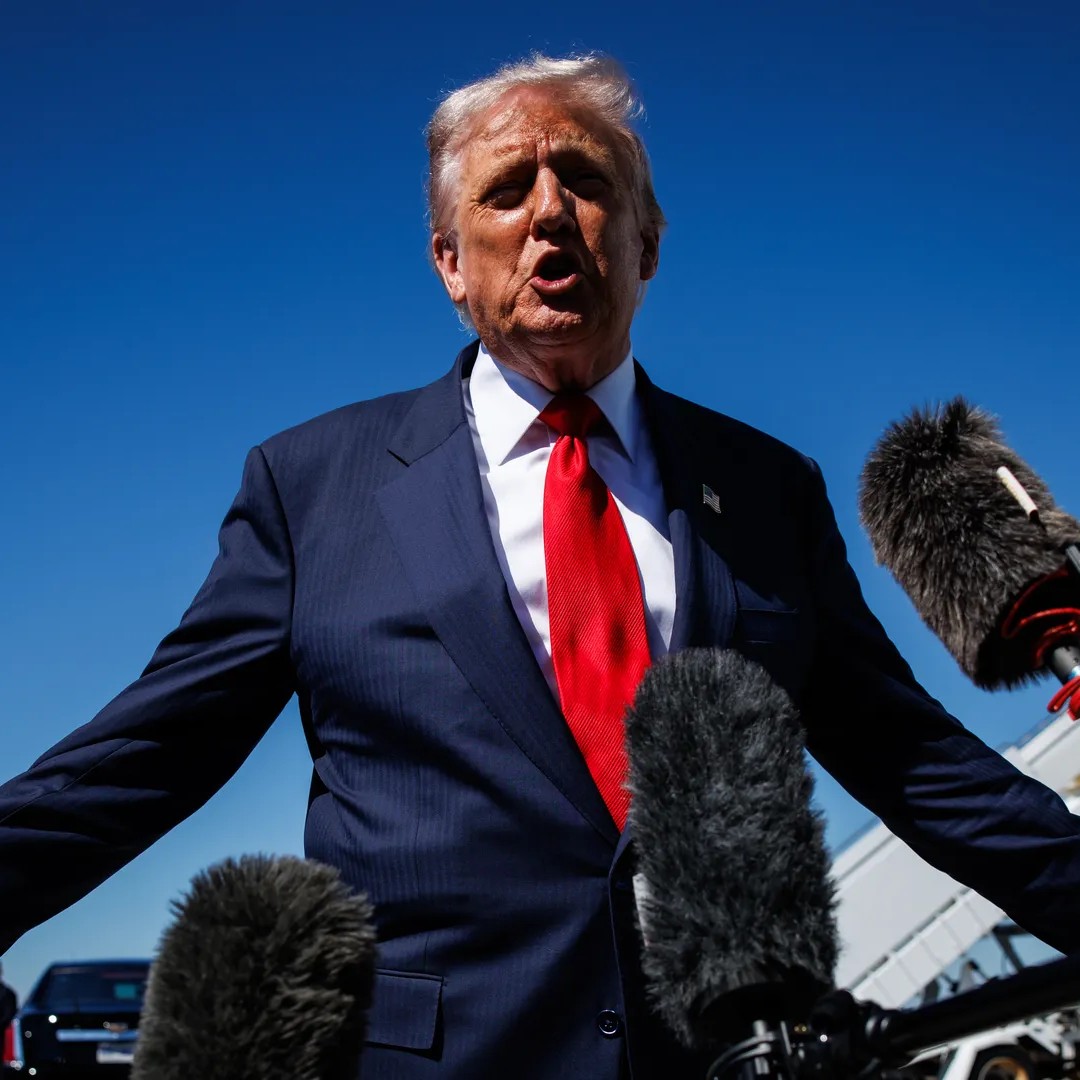
On March 30th, 2026, Florida Gov. Ron DeSantis signed a bill to rename Palm Beach International Airport after President Donald Trump. Separately, DTTM filed three airport-related intent-to-use trademark applications covering airport-related services and, in two filings, extensive merchandise categories.
The political sell is clean and simple: a name change, no payout. The legal reality is messier because, the same week the rename grabbed headlines, trademark filings tied to Trump were already outlining how the name could be used and by whom.
The No-Royalties Promise vs the Paperwork
According to Axios, the Trump family business has said it “will not receive any royalty, licensing fee or financial consideration whatsoever” from the proposed renaming. The bill DeSantis signed requires a legal agreement to license Trump’s name for the airport at no cost for a variety of purposes, and it is set to take effect on July 1st, 2026.
However, trademark lawyers have pointed out that money is not the only lever. Even without a royalty check, a trademark can serve as a gatekeeping tool for branding, merchandising, and how the name is used in commerce, especially if third parties want to sell products or services tied to a newly famous airport name.
What the Trump Trademark Filings Actually Cover
Axios reported that DTTM, the company that manages Trump’s trademarks, filed three airport-related intent-to-use applications with the U.S. Patent and Trademark Office. Two applications cover variations of “Donald J. Trump International Airport” and tie the name to airport construction and repair services, while also listing a broad menu of goods, including clothing for people and pets, bags, watches, jewelry, umbrellas, tie clips, socks, and airport lounges.
The third filing, for “DJT,” is more narrowly framed around airport construction and repair services. The tension is obvious: the public argument is about honoring a sitting president, while the legal paperwork reads like a brand perimeter, one that could discourage copycats and invite future licensing plays, whether or not the airport itself is the profit center.
Intent-to-use filings are not final approvals. Under USPTO rules, applicants generally must later show use in commerce to secure a registration, and the agency’s review focuses on trademark law questions such as distinctiveness and conflicts with existing marks, not whether an applicant is collecting royalties from a naming deal.
What Happens Next, and What to Watch
There is also the practical politics: airports are public infrastructure, but names operate like cultural property. Axios noted that there are eight commercial U.S. airports named after a president, which makes the Palm Beach move part of a small club, and a very modern branding fight.
If the renaming proceeds, watch the licensing agreement language and watch whether any Trump-branded airport merch efforts actually appear, because those real-world moves are what can turn a headline into enforceable trademark rights.