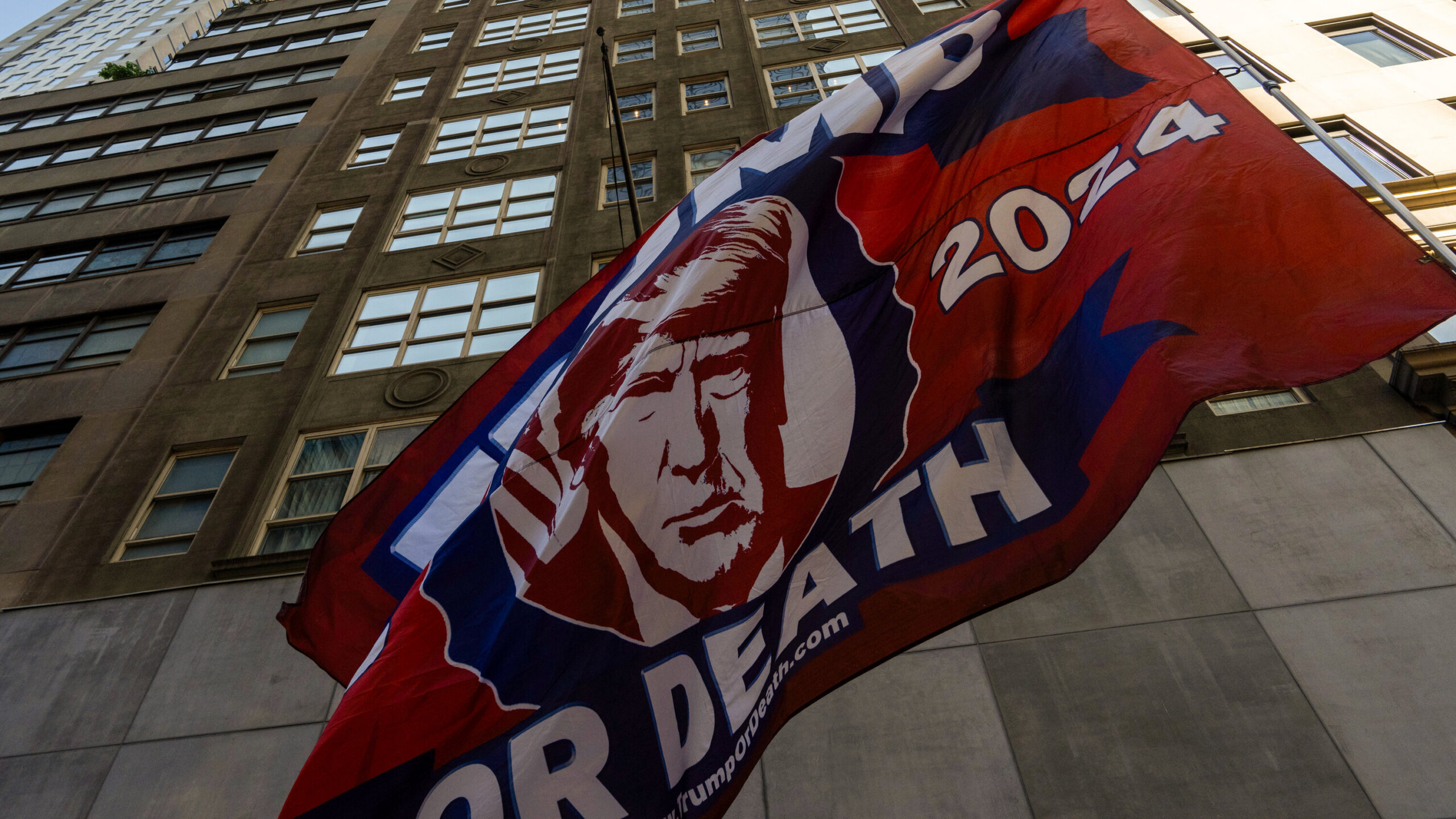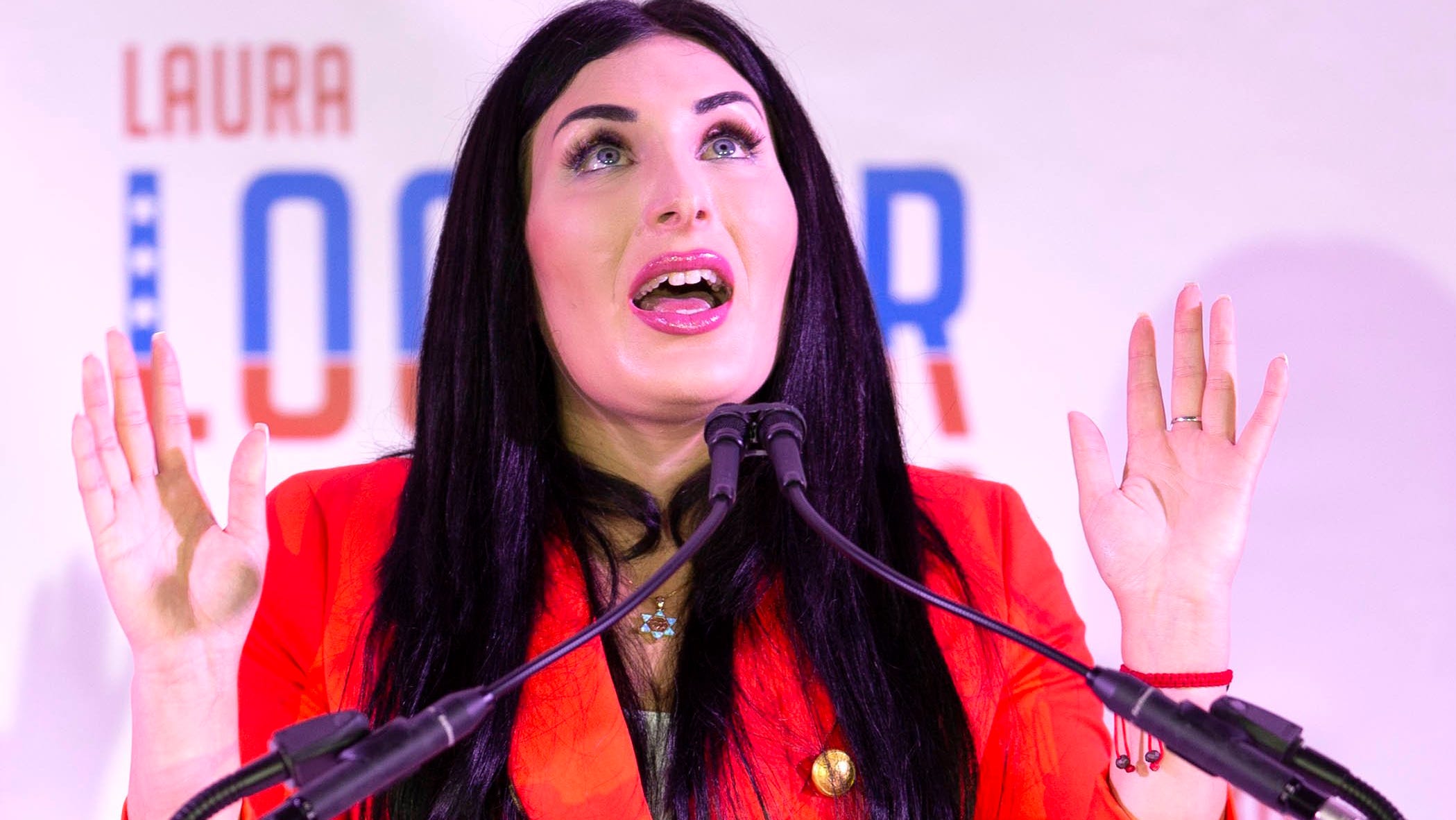
The phrase sounds like a promise, but in Washington, it is usually a test. When Iran enters the conversation, and someone demands maximum force, the question is not who sounds toughest. The question is, who is ready to sign the orders?
What You Should Know
Donald Trump’s Iran record includes leaving the Iran nuclear deal on May 8th, 2018, and a U.S. strike that killed Iranian Gen. Qassem Soleimani on January 3rd, 2020. Those choices still shape how allies and critics read any new war talk.
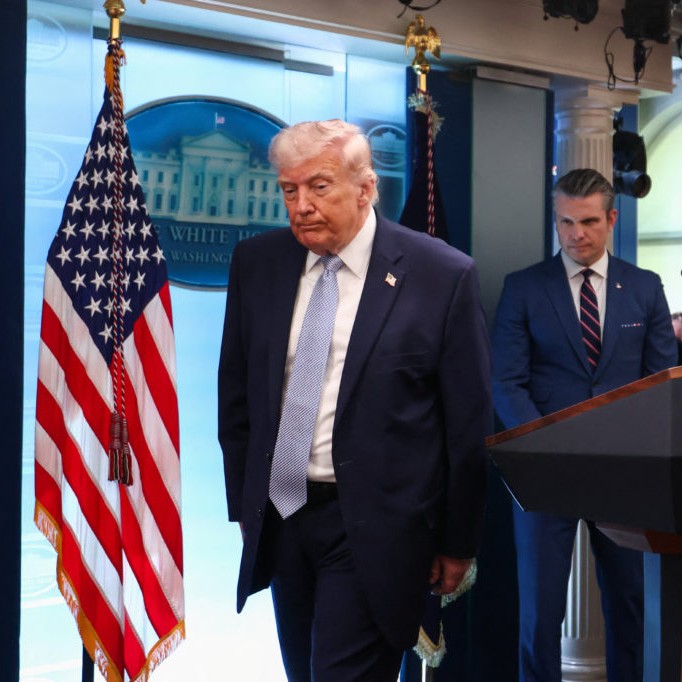
Pete Hegseth, a Fox News personality and Iraq and Afghanistan veteran, has become a familiar megaphone for the Republican foreign-policy base. Pair him with Trump, the ultimate message disciplinarian, and Iran stops being an abstract threat and becomes a loyalty question.
Hardline Rhetoric Has a Translation Problem
Words like “no quarter” travel well on TV because they signal certainty and dominance. However, they do not answer the operational questions that follow: What target set, what legal authority, what coalition, what end state, and what happens after Iran hits back?
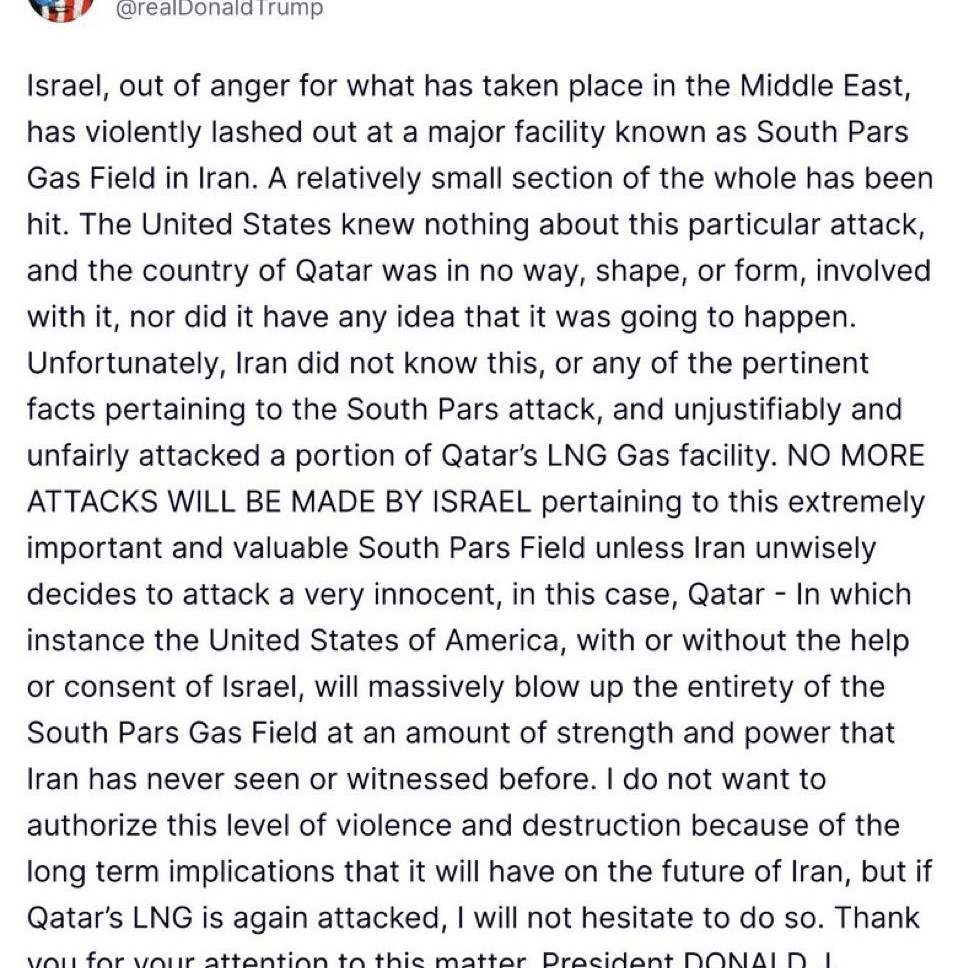
Trump is saying Israel is out of Control and attacking gas facilities out of anger.
Hegseth is saying the Iranians will be given no quarter.
A million Lebanese are now refugees.
And trump claims Iran is fighting unfairly and were not justified in fighting back.
Isn’t that right? pic.twitter.com/q9s1JtHJGN— R Mel (@romfordroy) March 19, 2026
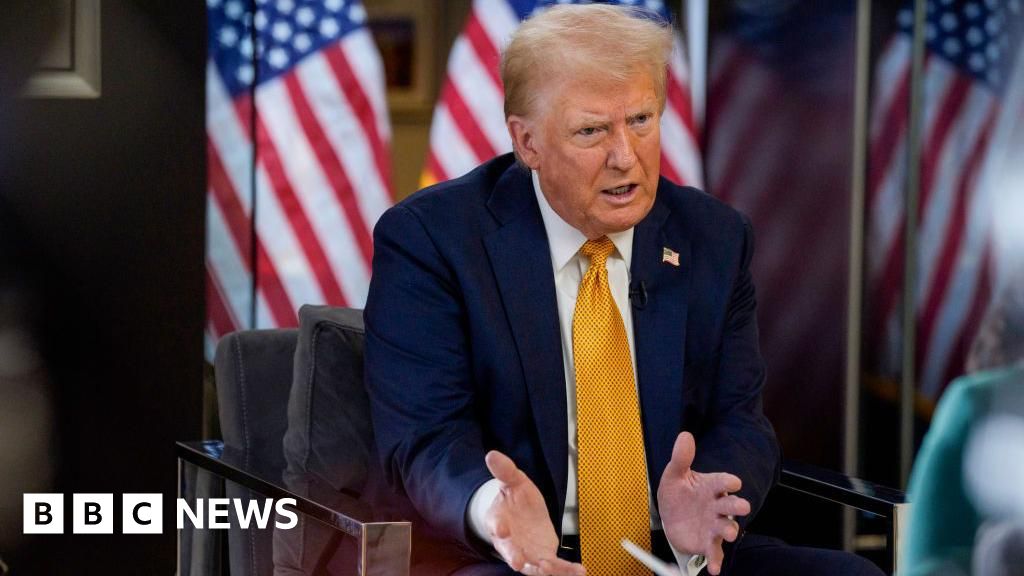
Trump’s own public language has regularly been maximal. In a July 2018 social media post, he warned Iranian leaders, “NEVER, EVER THREATEN THE UNITED STATES AGAIN OR YOU WILL SUFFER CONSEQUENCES THE LIKES OF WHICH FEW THROUGHOUT HISTORY HAVE EVER SUFFERED BEFORE.” That is a threat designed for deterrence, but it also sets expectations that policy has to be cashed.
Trump’s Iran Record Shows Both Escalation and Limits
On May 8th, 2018, Trump announced the United States would withdraw from the Joint Comprehensive Plan of Action, the Iran nuclear deal negotiated under President Barack Obama. The Trump White House argued the agreement failed to stop Iran’s broader regional behavior and left too much room for future nuclear advances.
Then came the January 3rd, 2020, strike that killed Qassem Soleimani, the head of Iran’s Quds Force, outside Baghdad. In its statement, the U.S. Department of Defense framed the operation as defensive, saying Soleimani was “actively developing plans to attack American diplomats and service members in Iraq and throughout the region.” Iran retaliated with missile strikes on bases housing U.S. troops, and the region watched how quickly one headline decision can become an escalation ladder.
The Stakes Are Congressional, Strategic, and Personal
Iran is not just a foreign-policy file. It is a domestic power contest over who gets to define strength, who carries the blame if Americans are killed, and who owns the price tag if a conflict expands beyond a single strike.
For Trump, the contradiction is the point to watch. He has shown a willingness to rip up agreements and authorize lethal force, but he has also built a political identity around avoiding open-ended wars. The next time “no quarter” language surfaces, the real tell will be whether the paperwork follows the rhetoric.