

First, the White House message was that there were no reports of mines in the Strait of Hormuz. Minutes later, the message turned into a battlefield update about boats being destroyed. In a chokepoint that moves a huge share of the world’s oil, that kind of whiplash can be its own headline.
What You Should Know
On March 10th, 2026, U.S. officials told CBS News Iran may be preparing to deploy naval mines in the Strait of Hormuz. The Pentagon also said U.S. forces are hunting mine-related vessels and facilities.
The reporting, attributed to U.S. officials speaking anonymously, describes a potential escalation tool that does not require a major naval battle to cause major economic pain. It also lands in a moment when President Trump is using his own running commentary to frame the stakes and the response.
Trump’s Two-Step Message
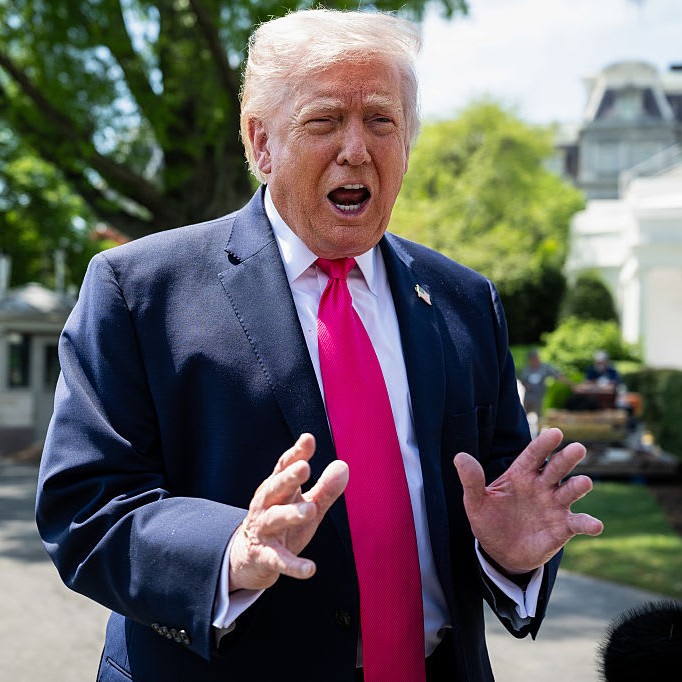
In a Truth Social post cited by CBS News, Trump publicly demanded immediate action while also acknowledging uncertainty, telling Iran to remove any mines even as he said the U.S. had no reports they had been placed.
“If Iran has put out any mines in the Hormuz Strait, and we have no reports of them doing so, we want them removed, IMMEDIATELY!”
CBS News reported that about 13 minutes later, Trump posted again, claiming the U.S. had struck and destroyed 10 inactive mine-laying boats and or ships, and that more would follow. That sequence, no reports followed by a claimed strike count, put the administration’s public posture and the fog of war on the same tight timeline.
The underlying concern is not abstract. According to CBS News, U.S. officials said Iran could be using smaller craft that can carry two to three mines each, and that Iran’s overall mine stock is not publicly known. Past estimates cited by CBS News have ranged from roughly 2,000 to 6,000 naval mines, largely produced by Iran, China, or Russia.
Meanwhile, the information battlefield is crowded. CBS News also noted that CNN reported Iran has begun laying mines in the strait. At the Pentagon, Gen. Dan Caine, the chairman of the Joint Chiefs of Staff, said U.S. Central Command continues to hunt and strike vessels and facilities connected to mine activity, according to CBS News.
The Hormuz Math, Insurers, and Next Moves
The Strait of Hormuz sits at the mouth of the Persian Gulf, and it is an energy artery that is hard to reroute. The U.S. Energy Information Administration has described it as one of the world’s most important oil transit chokepoints, with a significant share of global petroleum moving through its narrow shipping lanes.
History also explains why mines trigger instant alarms. During the 1980s Tanker War, part of the broader Iran-Iraq War, naval mines and attacks on shipping turned the region’s commercial routes into a military chessboard, and the echoes still shape planning on all sides.
The private sector is reacting in real time, too. CBS News reported that major maritime insurers, including NorthStandard, the London P&I Club, and the American Club, have warned they may suspend coverage for ships operating in Iranian waters and parts of the Gulf because of the rising risk vessels could be caught in the conflict.
What happens next hinges on receipts, not rhetoric: whether mines are actually detected or recovered, whether commercial traffic slows, and whether the U.S. keeps pairing warnings with confirmed, independently described military results.