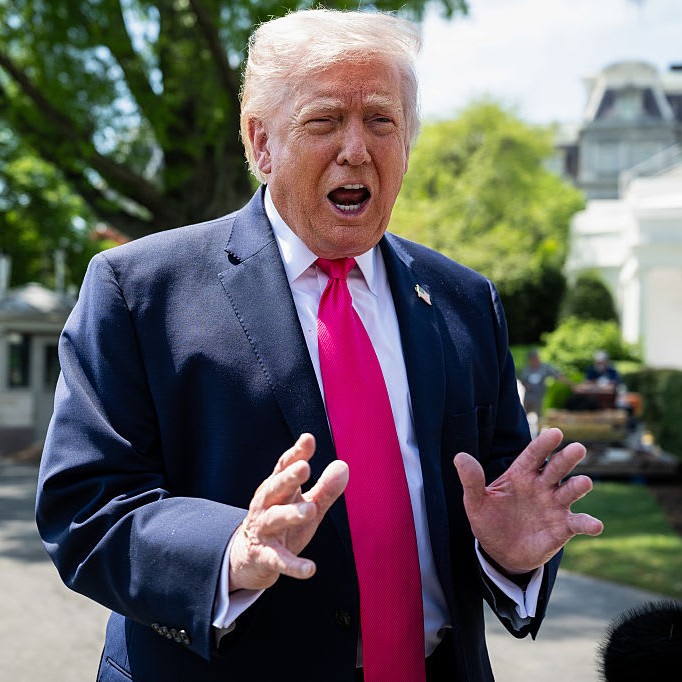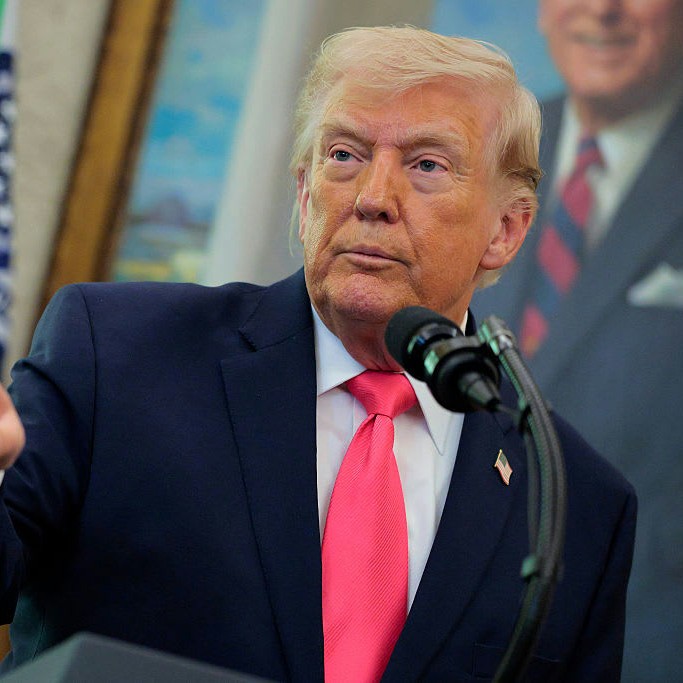
The White House says President Donald Trump will accept the results of an investigation into the bombing of a girls’ school in Iran. The part they would not clean up was the weapons claim that Trump put on the table first.
What You Should Know
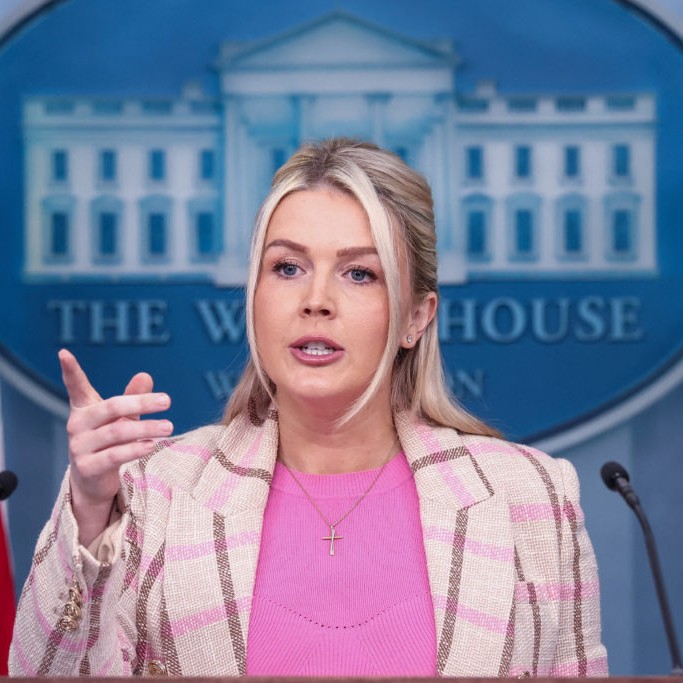
In a March 10th, 2026, press briefing, press secretary Karoline Leavitt declined to explain why Trump said Iran had access to Tomahawk cruise missiles. She said Trump would accept the investigation’s conclusion into the strike that reportedly killed 165 people.
According to Associated Press reporting carried by PBS NewsHour, the strike hit a girls’ school in Iran and killed 165 people. Trump, speaking on March 9th, 2026, asserted Iran had access to the Tomahawk, a U.S.-made cruise missile, and the White House was pressed on why.
The Tomahawk Question, and the Evidence Gap
Trump’s claim ran straight into a problem: the administration did not present evidence, and the AP report noted there was no evidence to suggest Iran had obtained Tomahawks. That puts the White House in an awkward posture, trying to project certainty while conceding the facts are not in.
Tomahawk missiles are a signature U.S. Navy capability, and Raytheon is identified by the Navy and the company as a manufacturer tied to the program. They are sold to certain U.S. allies, which fuels the obvious follow-up question: if a Tomahawk was used, whose chain of custody failed, and where would investigators prove it?
A Press Briefing Built on a Loophole
Leavitt did not answer why Trump made the Iran access claim in the first place. Instead, she leaned on a rhetorical shield that separates the president’s public talk from the government’s evidentiary standard, saying, “the president has a right to share his opinions with the American public” and that “he has said he’ll accept the conclusion of that investigation.”
Then there was Trump’s own undercutting response. Asked why he was the only person in his administration making the claim, he said, “Because I just don’t know enough about it.”
Why It Matters Beyond the Podium
When a U.S. president suggests Iran has an American cruise missile, the implication is not academic. It points toward leakage from partner stockpiles, battlefield capture, black-market transfer, or misidentification, and each scenario carries different consequences for U.S. alliances, deterrence messaging, and any possible retaliation calculus.
For now, the White House is asking for patience while defending the president’s words as something less than a formal finding. The next inflection points are simple: what investigators say the weapon was, whether the administration corrects or stands by the Tomahawk talk, and whether Congress demands classified answers.
References