

The 2020 election is back in Washington, but this time, it is not a campaign slogan. It is a staffing strategy, a law enforcement footprint, and, in one Georgia county, a physical search for ballots.
What You Should Know
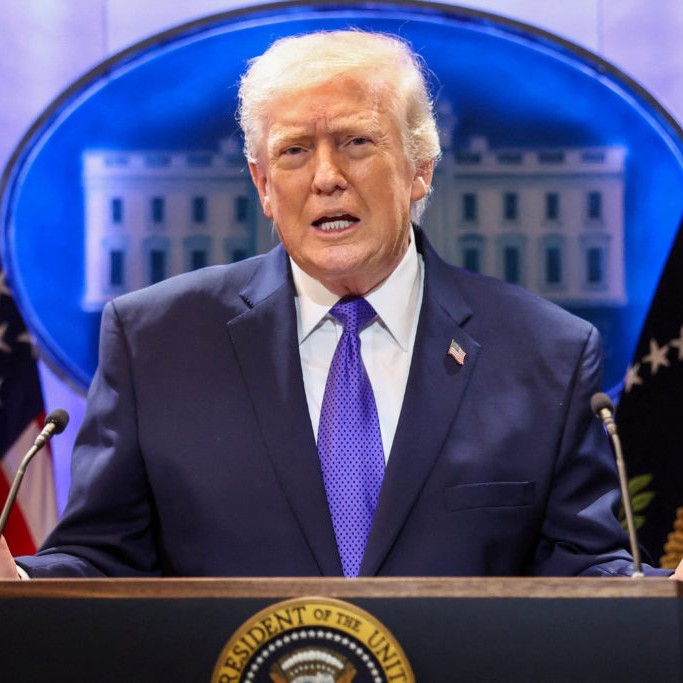
On February 20th, 2026, PBS NewsHour published an Associated Press report detailing how President Donald Trump has filled his administration with people who backed his false 2020 election claims. The report describes a late-January seizure of ballots and election records from Fulton County, Georgia.
The core question is not whether Trump still talks about 2020. It is what happens when the people who echoed his claims are the ones holding badges, signing filings, and setting DOJ priorities for 2026.
In the AP reporting, published by PBS NewsHour, Trump is described as having long spread conspiracy theories about voting to explain his 2020 loss to Joe Biden. Now, the report says, he has populated his second-term administration with officials and lawyers who promoted those claims or helped advance efforts tied to overturning the result.
The Power Shift Is the Point
Election denial has spent years as a message, a fundraising hook, and a social media identity. The AP story argues it has now matured into something more consequential: an internal credential inside the federal government.
It is an old Washington trick with a new wrapper. A movement that once waved signs outside institutions is now described as embedded inside them, from leadership posts to day-to-day litigation roles.
One line in the report frames the stakes in plain terms. Joanna Lydgate, the chief executive officer of States United Democracy Center, told the AP: “The election denial movement is now embedded across our federal government, which makes it more powerful than ever.”
Lydgate continued: “Trump and his allies are trying to use all of the powers of the federal government to undermine elections, with an eye to the upcoming midterms.”
That is the tension that makes the staffing story more than a personnel chart. If the federal government starts treating settled election claims as an open case file, every decision in 2026 is inevitably read as both policy and payback.
From Claims to Courts to Seizures
The AP report spotlights Kurt Olsen, described as a lawyer who in 2020 unsuccessfully pushed the Justice Department to back Trump’s false claims. According to the report, Olsen is now leading a sweeping probe related to the 2020 vote.
The most dramatic action tied to that mandate, per the reporting, was a seizure in late January of ballots and 2020 election records from Fulton County, Georgia, which includes Atlanta. Fulton County has been a recurring target in election conspiracy circles for years because it is large, Democratic, and central to Georgia statewide results.
PBS NewsHour separately published a segment about FBI documents connected to the Georgia elections office raid. That report underscores a recurring theme in election fights: the paper trail matters almost as much as the politics. Search warrants have affidavits. Affidavits cite claims. Claims have histories.
According to the AP report, the search warrant affidavit leaned on 2020 claims that, in many cases, had already been thoroughly investigated. That is not a minor detail. It is the difference between a fact-finding mission and a rerun.
The DOJ Loyalty Question, in Black and White
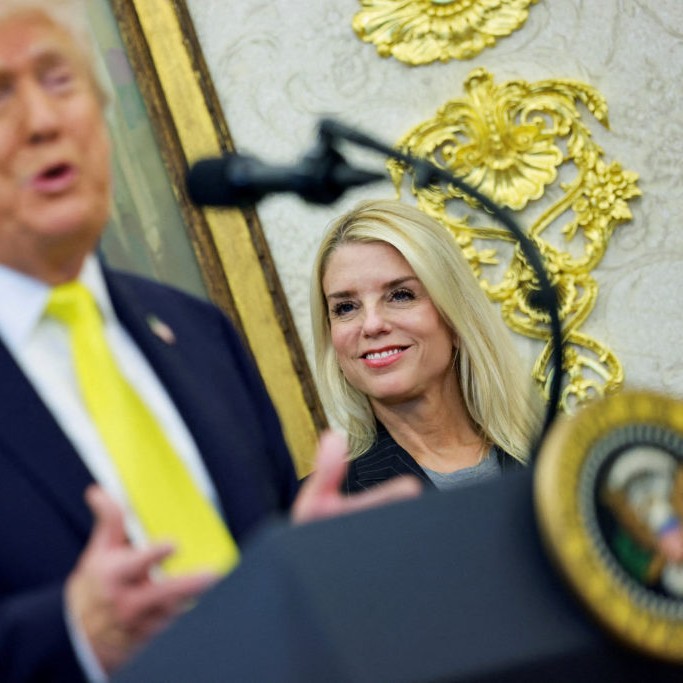
The AP report also places Attorney General Pam Bondi at the center of the story. It describes Bondi as having helped try to overturn Trump’s 2020 loss and as having declared that everyone working at the Justice Department needs to carry out the president’s demands.
That wording matters because DOJ has two reputations that constantly collide. One is independence, at least in theory. The other is hierarchy, in practice. Every administration pressures the DOJ in some way. What changes is how openly that pressure is framed, and how much the department is asked to pursue issues that are already politically radioactive.
If the attorney general is telling the building that the president’s demands are the job, that is not just an internal memo vibe. It is a signal to career staff, outside litigants, and state officials about who has leverage and who is expected to yield.
Why Fulton County Keeps Showing Up
Fulton County is not just a location in this story. It is a symbol, and symbols get visited again and again.
Georgia played a starring role in the post-2020 scramble because it was close, because it had high-profile recounts and audits, and because it became a testing ground for claims that could travel to other states. That is why Fulton County has remained a focal point for activists, would-be investigators, and online narratives that refuse to die.
When ballots and records are seized, the action itself becomes fuel. Supporters can frame it as confirmation that something was wrong. Critics can frame it as harassment dressed up as law enforcement. Either way, the county becomes the stage, not just the subject.
What State Officials Hear in All of This
The AP report says election officials across the country, especially those in states controlled politically by Democrats, are bracing for turmoil during the 2026 elections, when control of Congress is on the line.
That line does two things at once. It suggests fear of disruption, and it telegraphs the incentive structure. Midterms are not a seminar on election administration. They are a fight over House and Senate math, committee gavels, investigations, budgets, and the power to set the national agenda.
If federal investigations, document seizures, or DOJ-backed lawsuits start landing in swing states or big blue counties, the political consequences are easy to predict, even if the legal outcomes are not. Officials will lawyer up. Voters will polarize further. And every routine administrative step, from signature checks to ballot curing, becomes a suspect act in someone else’s story.
The Contradiction at the Center
The AP report describes Trump as continuing to push the false claim that he won the 2020 presidential election, even as his second term faces other issues, including economic concerns and an immigration crackdown.
That is the contradiction the reporting keeps returning to. If a president insists 2020 is unfinished business and then places 2020-aligned actors into enforcement roles, the government’s future-facing duties can get pulled backward.
In one telling passage, the AP report divides Trump’s personnel universe into categories: longtime supporters who aided his post-election push, people with minor roles in promoting false claims, and others who pushed debunked theories that persuaded millions of Republicans that the election was stolen.
Those categories are not just descriptions. They hint at how deep the worldview runs inside the administration. Are these officials there because they have expertise, or because they passed a loyalty test that happens to involve the most litigated election in modern American politics?
What Happens Next, and What to Watch
The immediate storyline is procedural and specific: What did the Fulton County warrant authorize, what exactly was seized, how will records be handled, and what claims were cited to justify the move?
The larger storyline is about precedent. When the federal government reopens old election fights through staffing and enforcement choices, state and local election offices have to plan for a new reality, one where running an election could also mean preparing for federal scrutiny that arrives carrying the politics of 2020.
If 2020 is being treated as a live file inside the DOJ, expect the ripple effects to show up in three places first:
- Litigation, including new lawsuits or revived legal theories tied to election administration
- Investigative actions, such as subpoenas, records requests, and search warrants, are aimed at local election offices
- Midterm messaging, as both parties point to federal actions as proof of either accountability or intimidation
There is a reason the 2020 argument never really left. It is a power claim, not just a vote claim. The AP report, carried by PBS NewsHour, suggests that the power claim is no longer parked at rallies. It is being walked into federal offices, one appointment and one affidavit at a time.