

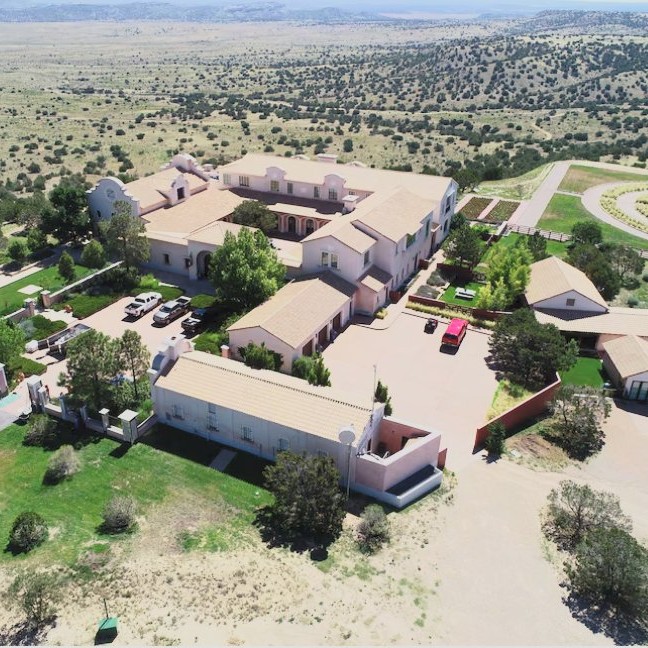
The most interesting thing about Jeffrey Epstein’s New Mexico ranch is not what the public already suspects. It is what could still be sitting in files, ledgers, flight logs, property records, and closed investigative boxes that were never built for sunlight.
What You Should Know
New Mexico Attorney General Raul Torrez has reopened an investigation into activity connected to a ranch once owned by Jeffrey Epstein. The announcement, reported by CBS News, signals renewed state-level scrutiny even after Epstein’s 2019 federal case ended with his death.
The property is commonly known as Zorro Ranch, and it has floated through Epstein lore for years as one of the places where he could operate far from Manhattan, Palm Beach, or the cameras. Now, New Mexico’s top law enforcement office is signaling that the ranch is not just a footnote.
🚨New Mexico Reopens Probe Into Epstein’s Ranch
New Mexico Attorney General Raul Torrez has reopened a criminal investigation into alleged crimes at Zorro Ranch, formerly owned by Jeffrey Epstein, following the release of new U.S. Justice Department files.
The state had closed… pic.twitter.com/BwkKc2gpDb
— War.Sphere (@WarSphere_Media) February 20, 2026
A State-Level Move in a Story Dominated by Federal Headlines
Epstein’s name tends to drag every conversation into the biggest, loudest chapters: the 2008 Florida plea deal, the 2019 federal arrest in New York, and the aftermath that followed his death in federal custody. New Mexico rarely gets top billing, even though the ranch has been part of the broader narrative for decades.
That is why this reopening matters as a power move. A state attorney general is not relitigating Epstein’s guilt in the abstract. A state office is asking whether there are actionable facts tied to a specific place, a specific jurisdiction, and a specific set of people who were physically there.
Even if federal prosecutors once held the biggest hammer, states control something else: local witnesses, local records, and local investigative discretion. In cases where the main defendant is gone, that leverage can shift attention toward facilitators, gatekeepers, employees, vendors, and anyone who helped a system run smoothly.
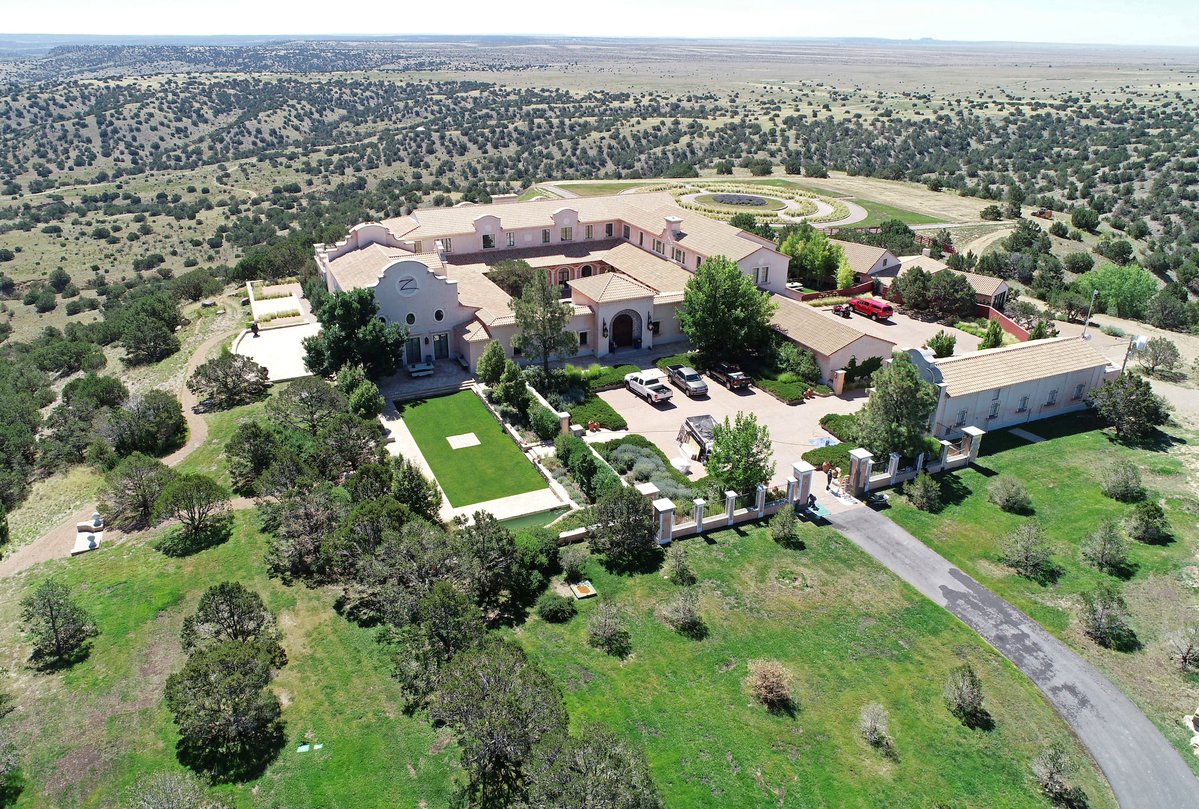
Why the Ranch Matters, Even Without a New Defendant in Hand
In Epstein’s world, real estate was not just a luxury. It was infrastructure. Multiple residences meant multiple staff circles, multiple security routines, and multiple opportunities to keep visitors separate from the kinds of oversight that show up in cities with paparazzi, neighbors, and building doormen.
New Mexico’s ranch, because of its size and relative isolation, sits at the intersection of two recurring questions:
- What happened on the property, and who can credibly speak to it now?
- What documentation exists, and where did it go after Epstein’s arrest and death?
Reopening an investigation also reorders incentives. People who once assumed nobody would ever call them may suddenly start calling attorneys. People who assumed old work history would never resurface may begin worrying about what their names appear next to in old contact lists, invoices, and security arrangements.
The Stakes Are Not Just Criminal
Epstein’s criminal cases captured headlines, but the broader system has also been shaped by civil litigation, reputational fallout, and the long tail of discovery. State-level investigative activity can create pressure in parallel with civil claims because it can surface documents, timelines, and testimony targets.
That is the quiet tension. In a story where Epstein cannot be prosecuted again, the competition becomes about knowledge and exposure.
Any renewed law enforcement attention can also collide with a familiar defense posture from people around Epstein, which is to treat his conduct as uniquely personal and uniquely sealed off. The factual question investigators keep returning to is simpler: how many people had to cooperate, ignore, or explain away details for years for that story to continue?
A Contradiction the Epstein Saga Never Solved
One of the defining contradictions of the Epstein saga is how often official outcomes have failed to satisfy public curiosity. The public record contains enough to prove that Epstein had access, wealth, and elite connections. It also contains enough to show that he cultivated a social brand that made scrutiny harder, not easier.
But the record has never fully answered the practical questions that matter in a location-based inquiry:
- Who was present at specific times?
- Who provided transportation?
- Who managed staffing, security, and guest access?
- Who signed contracts, paid bills, and supervised day-to-day operations?
Those are not abstract questions. They are the mechanical questions that turn rumor into prosecutable conduct, or into dead ends.
What Reopening Can Mean, Procedurally
Reopened investigations can range from a narrow records review to a full push for interviews, subpoenas, and interagency coordination. In high-profile matters, reopening can also function as a message: prior attention did not answer everything, and the state is not content to let the ranch remain a mythic prop in a national scandal.
New Mexico authorities also have a unique vantage point on local logistics. Travel into and out of the ranch region, local service providers, construction and maintenance records, and property management details all sit closer to county-level life than to the glamor of Epstein’s international reputation.
That is where the story can get uncomfortably specific. Not for celebrities on the internet, but for the people who actually made the property function.
New Mexico Attorney General Raúl Torrez has ordered the reopening of a criminal investigation into allegations of illegal activities at Jeffrey Epstein’s Zorro Ranch.
MORE: https://t.co/NuUzNnqMvv pic.twitter.com/DwMbhjor3N
— KTSM 9 News (@KTSMtv) February 19, 2026
Why Timing Still Matters Years Later
Epstein died in 2019, and his longtime associate Ghislaine Maxwell was later convicted in federal court. Those milestones create the impression of closure. Yet closure is not the same as completeness.
Investigators can still pursue questions about whether crimes occurred in a particular place, whether victims can be identified and supported, and whether anyone else holds criminal liability under state law. Some pathways narrow with time due to statutes of limitations and evidentiary challenges. Others do not, depending on the alleged conduct and the availability of corroboration.
There is also a separate, political reality. Attorneys general are elected officials in many states. High-profile accountability cases can become part of a public mandate, especially when a story involves wealth, elite networks, and institutions that appear to have looked away.
What to Watch Next
The key question is what form this reopened inquiry takes. If it stays quiet, it may focus on documents, leads, and internal case review. If it becomes louder, watch for requests for public help, announcements about tip lines, or confirmation that other agencies are involved.
New Mexico Attorney General Raul Torrez has ordered the reopening of the state’s criminal investigation into alleged crimes at Jeffrey Epstein’s Zorro Ranch, following new information released by the U.S. Justice Department.
More Here → https://t.co/RDS5J8uscm pic.twitter.com/myMGw2kuCO
— PiQ Newswire (@PiQNewswire) February 19, 2026
Also, watch for the secondary effects. When law enforcement signals movement, attorneys across the ecosystem start recalculating. That can reshape cooperation, silence, and the kind of behind-the-scenes negotiation that never appears in a press clip.
Epstein built a life around controlled access. A reopened ranch investigation is, at minimum, a sign that New Mexico is no longer content to let that control extend into the historical record.
References