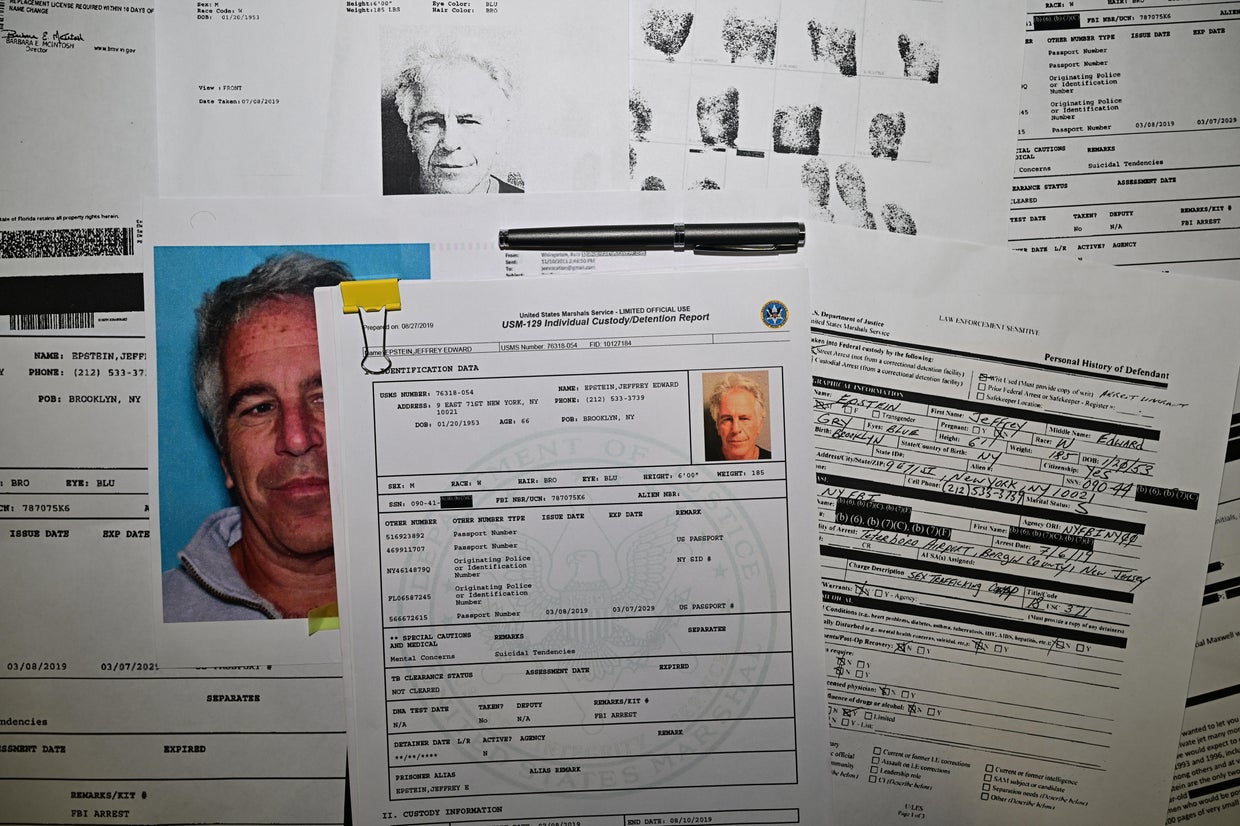
For nearly a year, the public story in South Padre Island was simple: a 23-year-old man was killed after a late-night encounter near a crash scene. What stayed out of view, until now, is who pulled the trigger, and why it took 11 months for that detail to surface.
What You Should Know
A Texas lawmaker is using a new Texas House rule to push for a public hearing into the March 15th, 2025, fatal shooting of U.S. citizen Ruben Ray Martinez by an ICE agent in South Padre Island. DHS says Texas DPS is investigating.
The political pressure point is not only the shooting itself. It is the timing, the paperwork trail, and a new procedural weapon inside the Texas House that can force a chairman’s hand.

Ruben Ray Martinez died on March 15th, 2025, in South Padre Island, Texas, after being shot by a federal immigration agent, according to information later confirmed by the Department of Homeland Security. His death was reported locally in 2025, but ICE’s role was not publicly disclosed until February 2026, according to CBS News.
A New House Rule Meets an Old Problem: Oversight
Texas state Rep. Ray Lopez, a Democrat and vice chair of the Texas House Committee on Homeland Security, Public Safety and Veterans’ Affairs, is invoking a new committee rule that can compel a hearing, even if the chair does not want one.
Lopez said he formally exercised authority under Rule 4, Section 6A of the Texas House Rules to push committee Chairman Cole Hefner, a Republican, to schedule a hearing focused on Martinez’s death, according to CBS News. Lopez requested a written response by February 23rd, 2026.
That is the immediate power dynamic. A vice chair is daring a chair to refuse a public hearing about a fatal shooting connected to federal immigration enforcement, in a political climate where immigration is not a side issue. It is the main stage.
The stakes are layered. If a hearing happens, it can force testimony, timelines, and decision-making into the open. If it does not, lawmakers can point to a transparency failure that is easy to understand and hard to explain away.
The Night of the Shooting: What the Internal Account Says
According to CBS News, the account of what happened comes from an internal ICE report that redacted Martinez’s name. The report said agents from Homeland Security Investigations, a branch of ICE, were helping South Padre Island police control traffic late at night after a major car accident.
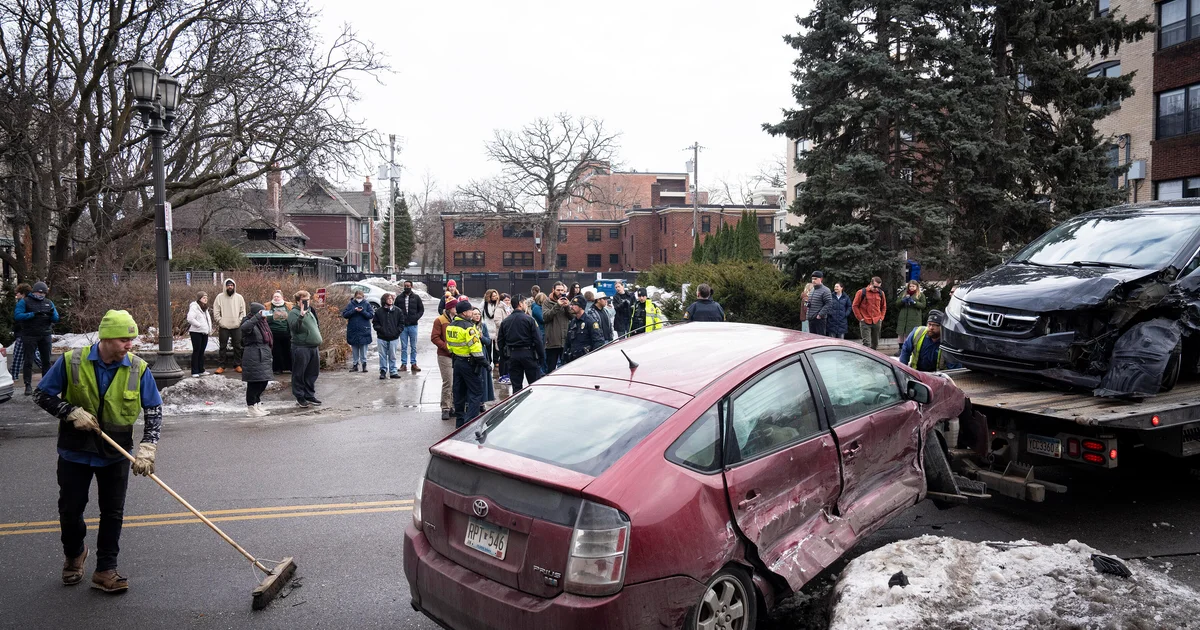
A blue Ford approached the traffic-control area, and the driver did not follow instructions, the report said. After commands from agents, the report said the vehicle slowed to a stop, and agents surrounded it and directed the driver to exit.
Then, the report described a sudden change. The driver accelerated forward and struck one of the agents, the report said, with the officer ending up on the hood of the vehicle. At that point, another ICE agent fired multiple rounds at the driver through an open side window, the report said.
Martinez was given first aid, transferred to a hospital in Brownsville, and pronounced dead there, according to the internal report described by CBS News.
The report also said a passenger in the vehicle, another U.S. citizen whose name was redacted, was taken into custody at the scene by South Padre Island police.
The agent who was struck by the vehicle was treated at a hospital for a knee injury and released, according to the report.
DHS Confirms the Shooting, and Frames It as Self-Defense
In a statement provided to CBS News, DHS confirmed the fatal shooting and described the encounter as a defensive response after an agent was hit by the vehicle.
Here is the agency’s framing, as provided to CBS News: “intentionally ran over a Homeland Security Investigation special agent, resulting in him being on the hood of the vehicle. Upon witnessing this, another agent fired defensive shots to protect himself, his fellow agents, and the general public.”
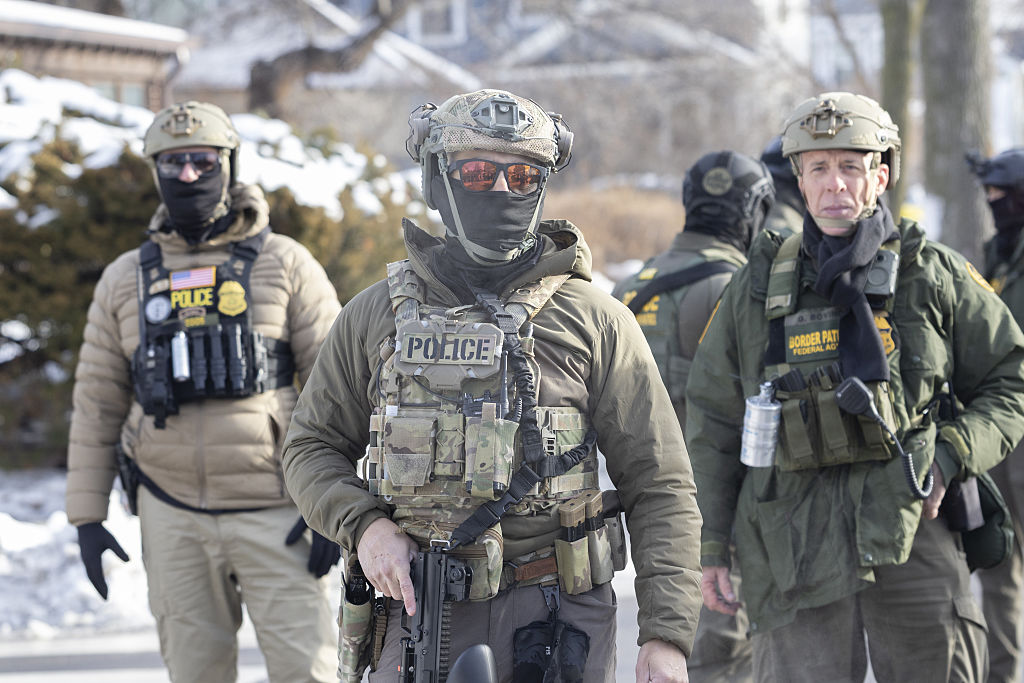
DHS also said the incident is under investigation by the Texas Department of Public Safety’s Ranger Division, and it deferred questions to DPS, according to CBS News.
That positioning matters because it places the episode in a familiar category, a use-of-force incident where the central legal question becomes reasonableness under a quickly evolving threat. But the political question is different: why did it take almost a year for the federal agency’s involvement to become public?
How the ICE Connection Became Public, and Why That Timing Matters
CBS News reported that local outlets covered Martinez’s death in 2025, but ICE’s involvement was not disclosed until February 2026, after an internal ICE report became part of a document release used to connect the shooting to federal agents.
The practical consequence of that delay is not abstract. A delayed disclosure means delayed scrutiny. It also means key questions, such as what records exist, who had them, and when they were shared across agencies, start to look like an accountability contest rather than a routine administrative timeline.
For Martinez’s family and community, the difference between “police shooting” and “federal immigration agent shooting” is not just a badge. It changes which agencies answer questions, which oversight bodies get involved, and what policies apply.
For lawmakers, it raises another issue: if state officials and local officials were involved at the scene, who knew what, and when? The article does not answer that, and it is exactly the kind of gap a public hearing could try to narrow.
Why This Is Not Just a Texas Story
The shooting is tied, at least politically, to the broader national fight over immigration enforcement. CBS News framed the case as raising transparency and oversight questions about officials enforcing President Trump’s deportation crackdown.
In other words, the argument is not that this one case defines a policy. The argument is that policy pressure and aggressive enforcement can turn routine tasks, such as traffic control after a crash, into volatile encounters, with lethal consequences and complicated chains of command.
There is also a jurisdictional tension that plays well in political messaging on both sides. Federal agents were on scene assisting local police. The state, via DPS Rangers, is investigating. The legislature, via a committee hearing, could try to pull the entire episode into the open.
Each layer can claim it is the right layer. Each layer can also point elsewhere when questions get uncomfortable.
The Hearing Fight Is About Control of the Record
Lopez’s move is aimed at the committee calendar, but it is really aimed at the public record.
A public hearing can lock in timelines, force agencies to state their positions on the record, and reveal what documents exist. It can also produce contradictions, such as differences between an internal report, a public statement, and what local officers recall.
Meanwhile, a refusal to schedule a hearing can keep the record thinner, at least for now. But that choice can also become its own storyline, especially because Lopez says this is the first public use of the new rule provision, according to CBS News.
Chairman Hefner’s response, and the timing of any hearing, will signal whether the committee wants to treat this as a narrow use-of-force investigation or as a broader test of how much scrutiny federal immigration operations should face when things go wrong in a tourist town on the Gulf Coast.
What to Watch Next
Three tracks matter.
First, whether the committee schedules a hearing, and how fast. The new rule language, as described by CBS News, is designed to make delays harder. It is also designed to make accountability visible, because inaction becomes a choice rather than a scheduling accident.
Second, what the DPS Ranger investigation produces, and whether findings are shared publicly. DPS Rangers often handle high-profile investigations in Texas, but public details can vary widely depending on the case and what prosecutors decide to release.
Third, whether more documents emerge that clarify the gap between what the public was told in 2025 and what was confirmed in 2026. The longer that gap looks unexplained, the more it invites competing narratives, and the more likely it is that lawmakers will use procedure to pry open the story.