The first denial came fast. The second came after someone slid photos across the table.
What You Should Know
An October 2025 immigration raid at La Catedral Arena near Boise, Idaho, led to 105 detentions and a civil rights lawsuit filed in early February 2026. A 14-year-old U.S. citizen says officers zip-tied her, while DHS says no children were restrained.
The clash is now between a local sheriff who praised the operation, a Trump administration defense that calls the allegations false, and a family that says a teenager ended up cuffed with zip ties while trying to keep two younger kids safe.
A Denial, Then a Picture
When Canyon County Sheriff Kieran Donahue talked about the October raid at La Catedral Arena in Wilder, Idaho, he framed it as a clean win: 105 undocumented immigrants detained, order restored, complaints dismissed.
According to CBS News, Donahue also rejected allegations that agents used zip ties to restrain children who were at the horse racing venue for a weekend recreation event.
Then came the images. CBS News reported it obtained photos that appear to show zip ties and bruising on the wrists of a 14-year-old girl, the daughter of Anabel Romero. The teen, identified by CBS as SueHey, is a U.S. citizen.
Presented with the photographic evidence, Donahue did not stick with the original script. He told CBS News, “God bless her. I’m sorry she went through that. But law enforcement is not evil because we contained everybody and detained them until we sorted it out. That’s not evil.”
That pivot is the story inside the story: the argument is no longer just about what happened in the chaos of a raid. It is about who gets believed when official denials collide with bruises, photos, and a minor describing what she says was done to her body.
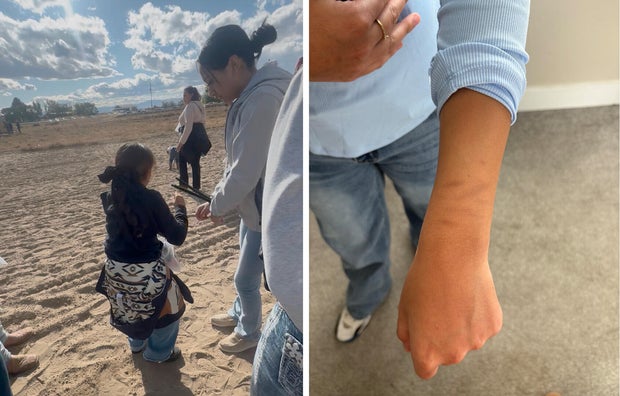
CBS News reported the Romero family provided photos that appear to show zip ties and bruising on a 14-year-old girl’s wrists after the Idaho raid.
How a Horse Track Became a Federal Stage
La Catedral Arena is not a border crossing. It is not a courthouse. It is not the kind of place most Americans picture when they hear the phrase immigration enforcement.
That is part of the stakes. This was a community venue in an agricultural pocket about an hour outside Boise, and the ACLU says families, including U.S. citizens of Hispanic descent, were swept into a militarized operation that used armored vehicles and flashbang grenades.
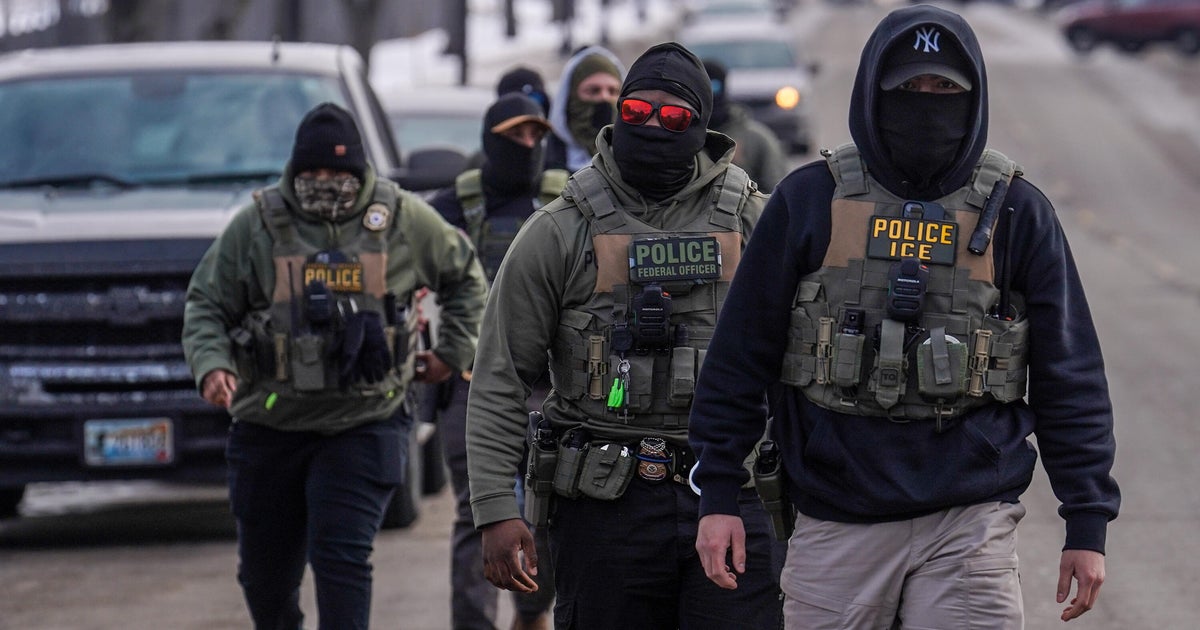
In the ACLU’s telling, the point is not only that people were detained. The point is how the government carried itself while doing it, and who got caught in the gears.
CBS News described SueHey as tending to her 6- and 8-year-old siblings when agents in military-style gear descended and herded people into a confined area. The legal fight now hinges on whether that containment crossed the line into unlawful detention, excessive force, or discrimination, and whether those lines matter less when the crowd is largely Hispanic.
The Administration’s Version Is Simple
The Department of Homeland Security offered a firm denial to CBS News. Homeland Security spokesperson Trisha McLaughlin said in a statement, “ICE didn’t zip tie, restrain, or arrest any children.”
McLaughlin went further, disputing not just this incident, but the broader framing around it. “ICE does not zip tie or handcuff children. This is the kind of garbage rhetoric contributing to our officers facing a 1,300% increase in assaults against them and an 8,000% increase in death threats,” she said, according to CBS News.
It is a classic power move: deny the specific allegation, then argue the allegation itself is dangerous, because it endangers officers. It shifts the center of gravity away from what happened to a teenager at a racetrack, and toward the perceived consequences of criticizing enforcement.
But the family and the ACLU are betting the photos will keep the center of gravity right where they want it, on wrists, bruises, and the question of who decided a U.S. citizen child should be restrained at all.
What the Family Says Happened
CBS News reported that people who were temporarily detained told a different story from federal and local officials. In an exclusive interview, SueHey described officers refusing to identify which agencies they worked for as they moved people onto the track.
Her account, as reported by CBS News, is blunt: she says she was zip-tied while standing among hundreds of detainees. She also says she was trying to keep control of her younger siblings in the middle of the sweep.
Even without a final ruling, that detail changes the optics. A large immigration operation can be defended as targeting undocumented adults. It becomes harder to defend, politically and legally, if a U.S. citizen minor says she was restrained while caring for children younger than she is.
The photos CBS described are now a central contradiction. If zip ties did not touch children, why does the teenager’s family have images that appear to show zip ties and bruising? If the sheriff did not believe zip ties were used, why did his response change after seeing the evidence?
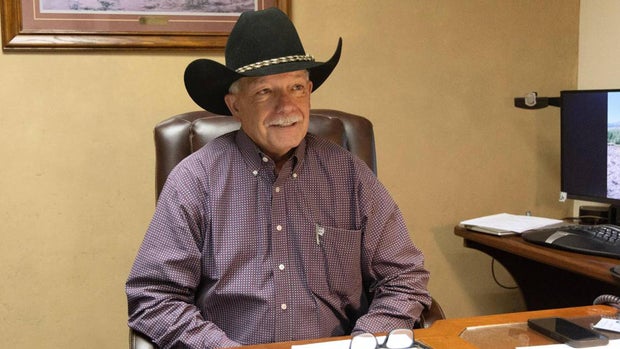
CBS News identified Canyon County Sheriff Kieran Donahue as a participant in the raid, including riding on horseback.
The Lawsuit Escalates the Consequences
In early February 2026, the American Civil Liberties Union filed a federal civil rights lawsuit highlighting the treatment of families at the event, according to CBS News. The ACLU’s case argues the Idaho raid is not an isolated mishap, but part of a national pattern of escalating tactics in immigration sweeps.
Jenn Rolnick Borchetta, the ACLU’s deputy project director on policing, put it in long-term terms. “They have done long-lasting damage to children,” she told CBS News. She added that Congress faces a decision on oversight: “At this moment, when the United States Congress is confronted with a question of how to reign in ICE…the answer is they need to reign in ICE to protect our children.”
That is not just advocacy. It is positioning. The ACLU is using a child-centered narrative to raise the cost of doing nothing. If the case sticks, the lawsuit could force more documentation into the open, including after-action reports, communications, and the identity of agencies involved.
For the administration, the risk is bigger than one venue in Idaho. If a court finds misconduct, the ruling can be cited in other challenges to raids, detention conditions, and the use of force during immigration operations. Even if the government wins, depositions and discovery can create weeks of headlines, and in politics, the process can be punishment.
Why This Is a Fight Over Control
Three versions of the state are on display at once.
First, the sheriff’s version: a local lawman defending a mass detention as necessary crowd control, and insisting the operation was not sinister. Second, DHS’s version: categorical denials, with a warning that criticism fuels threats. Third, the family’s version: a teenager describing physical restraint, and a mother with photos that appear to back it up.
The power imbalance is the point. A 14-year-old does not have a press office. She has a story, and the ability to show her wrists. The administration has a spokesperson, a federal shield of institutional credibility, and the ability to define what counts as fact.
Donahue’s quote, offered after seeing the photos, lands in the middle. It acknowledges suffering without conceding wrongdoing. It apologizes without admitting fault. That is a familiar posture in cases where officials want to cool public anger while keeping legal exposure contained.
What to Watch Next
Two questions will determine whether this turns into a national flashpoint or a local legal slog.
- Will the lawsuit produce documents, body camera footage, or agency records that clarify who restrained whom, and under what authority?
- Will federal officials stick to absolute denials or shift to narrower defenses, such as necessity, mistaken identity, or actions taken by non-ICE personnel?
For now, the public record is a collision of statements and images. The government says children were not zip-tied. A sheriff first denied it, then expressed regret after seeing photos. A teenager says her hands were restrained anyway.
Courts tend to prefer paper over postures. This case looks built to force both.