The videos finally dropped, but the most important seconds are still missing. In the Chicago shooting of Marimar Martinez, a court-approved release of Border Patrol body camera footage shows the lead-up and the aftermath, not the moment the shots were fired.
What You Should Know
Body camera videos tied to the October 4th, 2024, shooting of Marimar Martinez in Chicago were released after a judge ruled they could be made public. Martinez was shot five times by a Border Patrol agent, and later, federal assault charges against her were dismissed with prejudice.
The central tension is simple. The Department of Homeland Security described Martinez as the aggressor after an immigration protest in Chicago’s Brighton Park neighborhood. Martinez’s side has argued the official story never matched what happened on the street, and the criminal case against her did not survive in court.
The Footage Shows Chaos, Then Silence
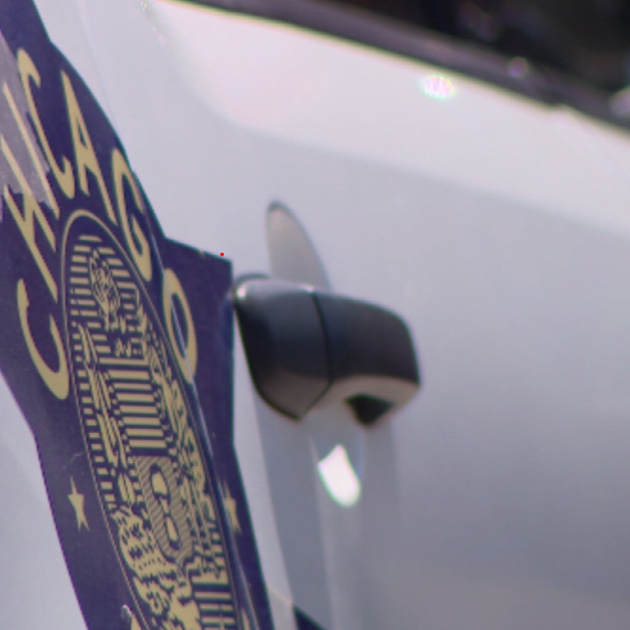
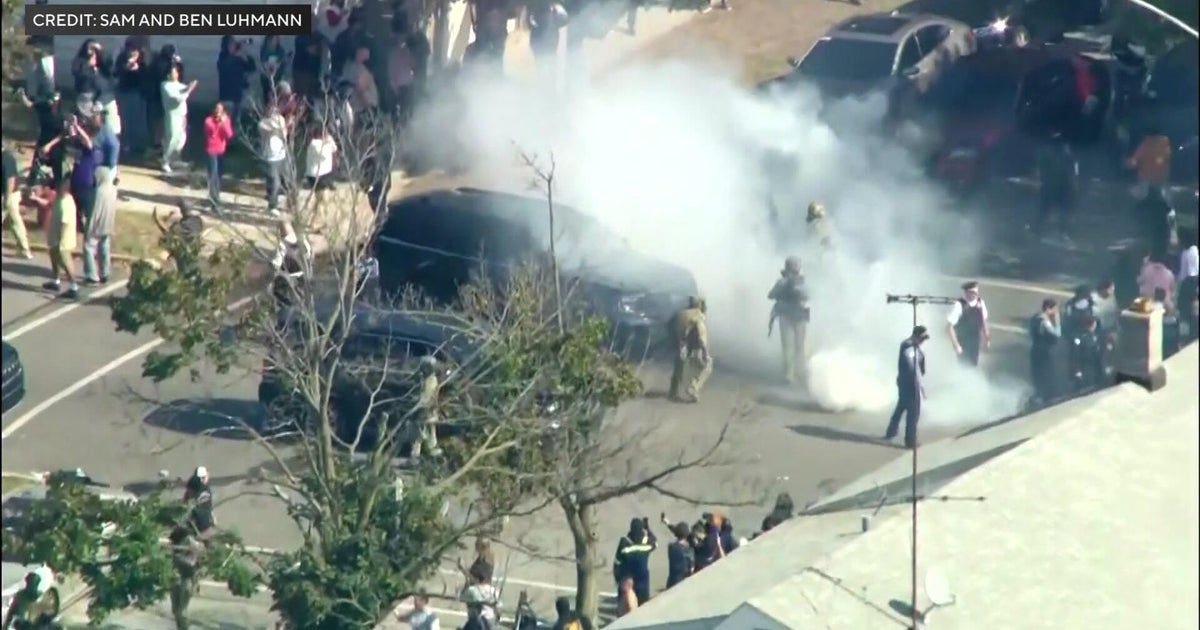
According to CBS News, three bodycam videos, each roughly 15 to 20 minutes, capture what happened before and after the October 2024 shooting. The clips show agents at close quarters, vehicles jostling, and a rapidly escalating scene near Pershing Road and Kedzie Avenue.
In one video, agents inside a vehicle can be heard saying, “We are boxed in,” shortly before a collision. The name attached to the shooting, Border Patrol Agent Charles Exum, then exits the vehicle, and five shots are heard.
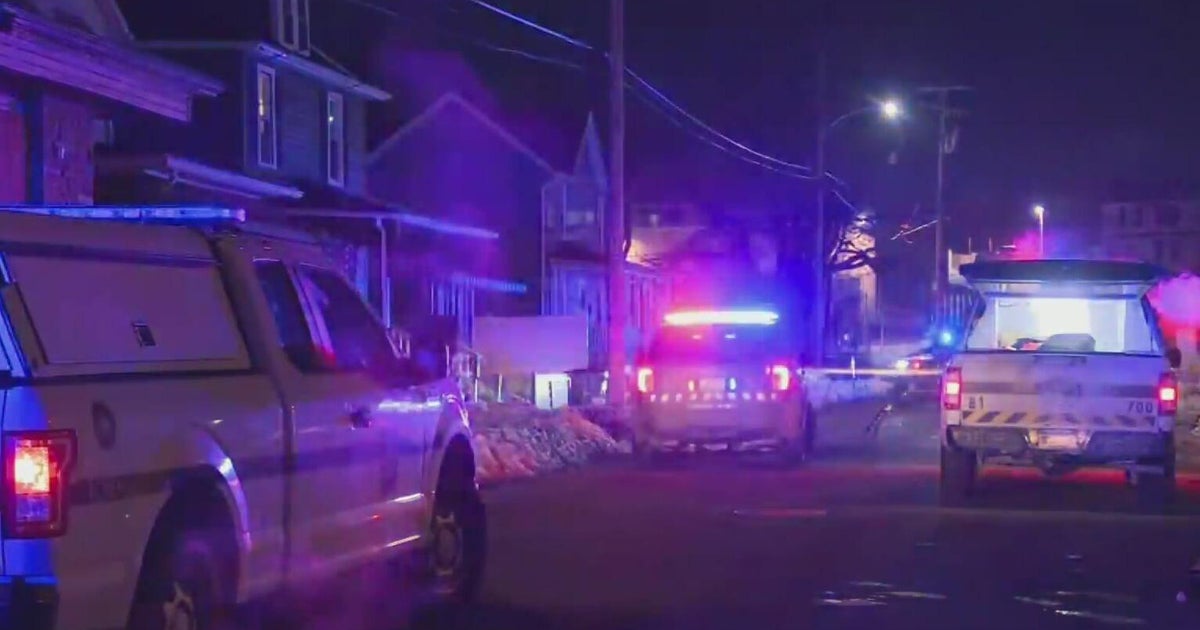
Then comes the gap that is now driving the next phase of this fight. CBS News reported that video of Exum firing was not shown in the released materials. What the public gets is audio, reaction, and aftermath, but not the visual that usually settles arguments.
That missing slice matters because the case is not only about what happened, but about who controls the record when federal force meets a local street protest.
The SUV, the Crash, and Competing Narratives
The released video includes a black GMC Envoy reversing, striking another vehicle, and leaving the scene, according to CBS News. The government’s earlier framing, as described by DHS, was that Martinez chased the agents and rammed a vehicle during an immigration protest.
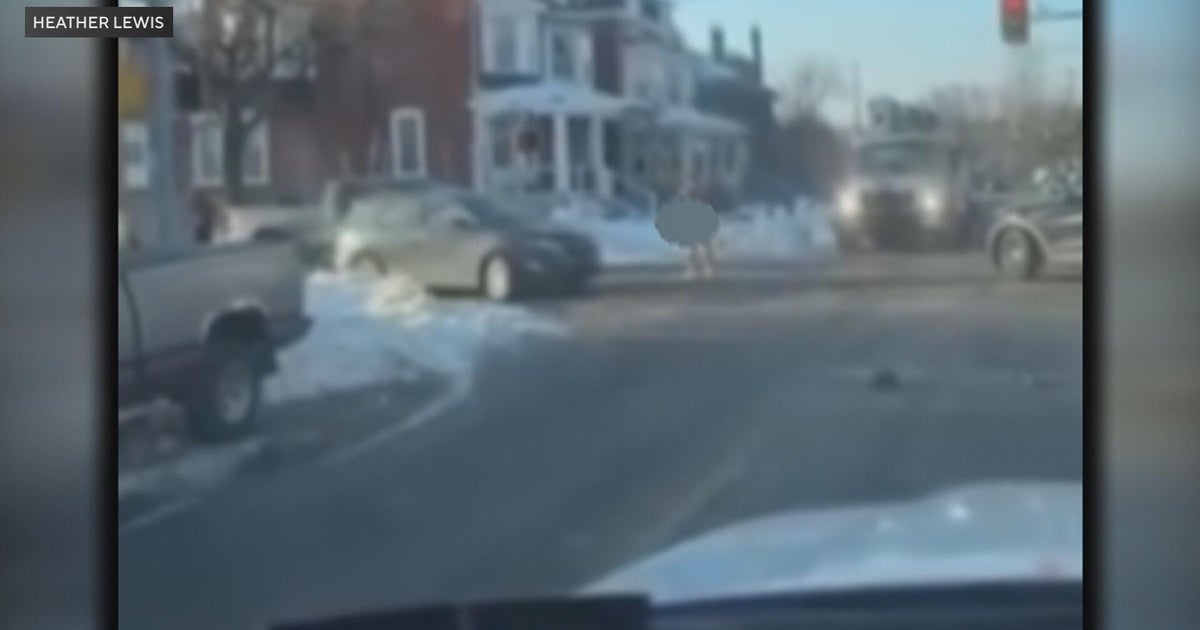
Martinez’s account, as relayed by her attorney in the CBS reporting, has been that the government’s description did not square with the evidence. The bodycam release appears to keep that dispute alive rather than resolve it, because the clips show a volatile traffic-and-crowd moment while still leaving the critical use-of-force seconds outside the frame.
That is a familiar dynamic in high-stakes police and federal use-of-force disputes. The most contested moment is often the moment that is hardest to see clearly, and the fight shifts to everything around it: positioning, audio cues, vehicle movement, and what was said immediately before and after.
The Text Messages That Refuse To Stay Quiet
The materials released were not limited to video. CBS News reported that images of the agent’s vehicle and text messages attributed to Exum were also made public. One message read, “put that one in your book, buddy,” and the reply said, “good shootin, lol.” Another message followed: “gracias senior.”
Those lines do not prove a crime, and they do not establish what Exum perceived in the moment he fired. However, in a case already defined by disputed facts and dropped charges, they are gasoline on a credibility question: how seriously was the shooting treated internally, and what tone did agents use when discussing a woman who ended up with five gunshot wounds?
The photos in the text thread, as described by CBS News, included images of damage from the crash and photos from the vehicle Martinez was driving, including a bullet hole in the windshield.
In civil litigation, that kind of material can become a central exhibit because it speaks to the state of mind, culture, and whether officials treated the incident as a grave use of force or as a story to swap with colleagues.
The Criminal Case Against Martinez Did Not Hold
DHS said Martinez chased agents and rammed a vehicle during the protest. But in the months after the shooting, federal prosecutors dropped assault charges that had been filed against her, according to CBS News.
Then came the legal punctuation mark that carries real consequences: a judge dismissed the charges with prejudice, meaning the government cannot refile the same charges against her.
This is where the power dynamics get sharp. In the public imagination, an initial federal allegation can act like a verdict, even when a case later collapses. A dismissal with prejudice is not a finding that the government lied. It is a courtroom outcome that signals prosecutors are not taking that charge forward again, and it leaves the government’s earlier narrative hanging in the air without a trial to lock it down.
That matters for Martinez for obvious reasons, including reputation, medical recovery, and financial damage. It also matters for the government, because it raises the question of what evidence, if any, prosecutors thought they could prove beyond a reasonable doubt about Martinez’s alleged conduct.
Why the Bodycam Release Changes the Battlefield
When authorities have the first word, they often set the frame: who was the threat, who was boxed in, who had no choice. Video can disrupt that, but only when it shows enough to test claims against the physical world.
Here, the release provides pieces that each side can use. The government can point to the frantic scene, the collisions, the movements of vehicles, and the sound of an escalating situation. Martinez can point to the absence of a clear on-camera shooting moment, the public release aligning with aspects of her attorney’s account, and the internal texts that read less like solemn documentation and more like backslapping.
What it does not provide is a clean, definitive visual that ends debate. Instead, it widens the space for litigation, expert analysis, and demands for additional records.
A Civil Lawsuit Is the Next Pressure Point
CBS News reported that Martinez’s attorneys planned to announce a civil lawsuit. That is not just a money fight. It is a discovery fight.
A civil case can force disclosures that criminal cases sometimes never reach, including additional video angles, internal communications, training materials, use-of-force policies, and deposition testimony that locks witnesses into timelines and specifics. If the legal dispute moves forward, the public may learn more about why Border Patrol agents were in that specific situation in Chicago, how decisions were made in the seconds before gunfire, and how the incident was discussed afterward inside the agency.
For the government, the stakes include more than one agent’s judgment call. Federal agencies guard their operational discretion, and they rarely enjoy a courtroom process that turns split-second decisions into slow-motion exhibits. For Martinez, the stakes are concrete: she was shot five times, she faced federal charges that were later dismissed with prejudice, and her version of events has been competing with DHS’s description since October 2024.
For everyone watching, the open question is whether the missing seconds will remain missing, or whether litigation will pull more footage, more messages, and more decision-making into the public record.