

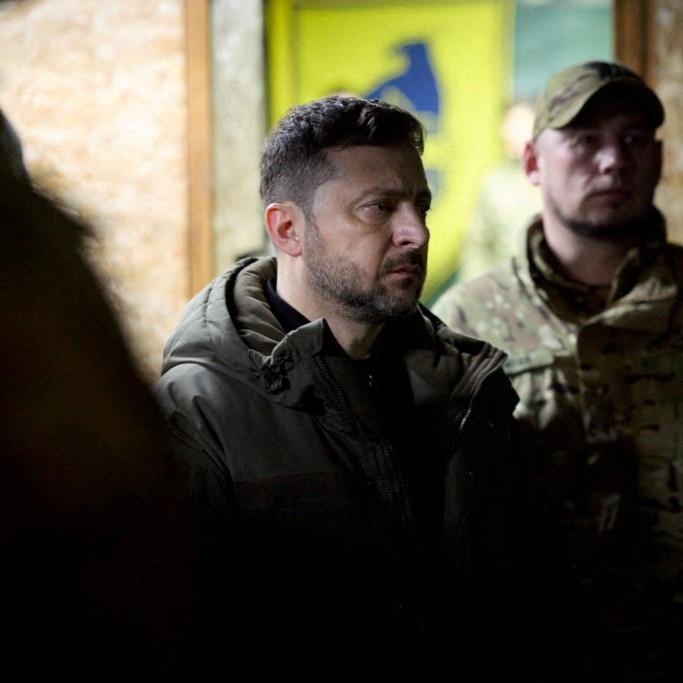
Kyiv says it is ready to sit down and talk. The problem, according to President Volodymyr Zelenskyy, is that the two most powerful players in the room cannot agree on where the room even is.
What You Should Know
President Volodymyr Zelenskyy said Ukraine is ready for the next trilateral peace talks, but the United States and Russia must agree on where and when to meet. He also raised concerns about air defenses, drone cooperation, and a dispute over the Druzhba pipeline.
Zelenskyy, speaking in comments released March 15th, 2026, framed the next negotiating step as a scheduling fight with geopolitical consequences: if Washington and Moscow cannot align, Ukraine stays stuck in limbo while the war grinds on.
The Meeting That Cannot Get Scheduled
According to reporting by PBS NewsHour from The Associated Press, Zelenskyy said the U.S. proposed hosting the next meeting among the American, Ukrainian, and Russian negotiating teams, including U.S. envoys Steve Witkoff and Jared Kushner. He said Moscow refused to send a delegation.
Zelenskyy put it bluntly, and publicly, in a media briefing on March 14th, 2026: “We are waiting for a response from the Americans. Either they will change the country where we meet, or the Russians must confirm the U.S.” His message was clear. Ukraine wants the optics of readiness, and Russia gets the blame for no-show diplomacy.
The same briefing pointed to a wider distraction. The U.S. has postponed its sponsored talks amid the war in the Middle East, with Zelenskyy warning that the Iran war, which the AP report said erupted on February 28th, 2026, could pull air defense stockpiles away from Ukraine. He said he discussed possible alternatives to Patriot batteries, including SAMP/T systems, with French President Emmanuel Macron in Paris on March 13th, 2026.
The Drone Pitch Trump Shrugged Off
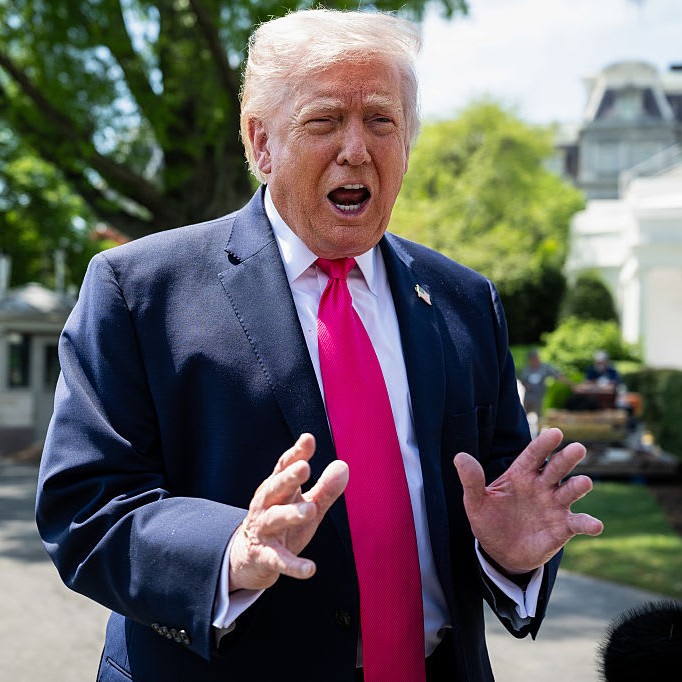
Zelenskyy also used the moment to challenge a very specific line from President Donald Trump, who said in a Fox News Radio interview that aired March 13th, 2026, “No, we don’t need their help on drone defense.” Kyiv’s counterpoint was not a slogan. It was a paper trail of requests.
Zelenskyy said Washington had reached out “several times” for assistance, including requests routed through U.S. military institutions to Ukraine’s Ministry of Defense and other military leaders. He also described a proposed defense cooperation deal, pitched the prior year, valued at $35 billion to $50 billion, tied to technology from roughly 200 Ukrainian drone, AI, and electronic warfare firms, with production split to benefit partners, primarily the U.S.
Then came the awkward part: Zelenskyy said the U.S. signaled interest, including from Trump, but the document never got signed. Kyiv is selling battlefield know-how, Washington is managing public messaging, and the gap between the two is now part of the negotiation itself.
Oil, Hungary, and the Druzhba Pressure Point
On energy, Zelenskyy said he opposed allowing Russian oil to transit through Ukraine via the Druzhba pipeline while the EU sanctions Russia elsewhere, calling the pressure campaign “blackmail.” Oil deliveries through Druzhba, which carried Russian crude to Hungary and Slovakia, have been halted since January 27th, 2026, amid a feud in which Hungary’s Prime Minister Viktor Orban has accused Ukraine of deliberately holding up supplies.
The leverage is not subtle. Orban has vetoed a new round of EU sanctions against Russia and is blocking a 90 billion-euro EU loan for Ukraine, reported as about $106 billion, until flows resume. What to watch next is whether the pipeline fight starts dictating weapons decisions, and whether the next peace-talks headline is still about a location, not a table.