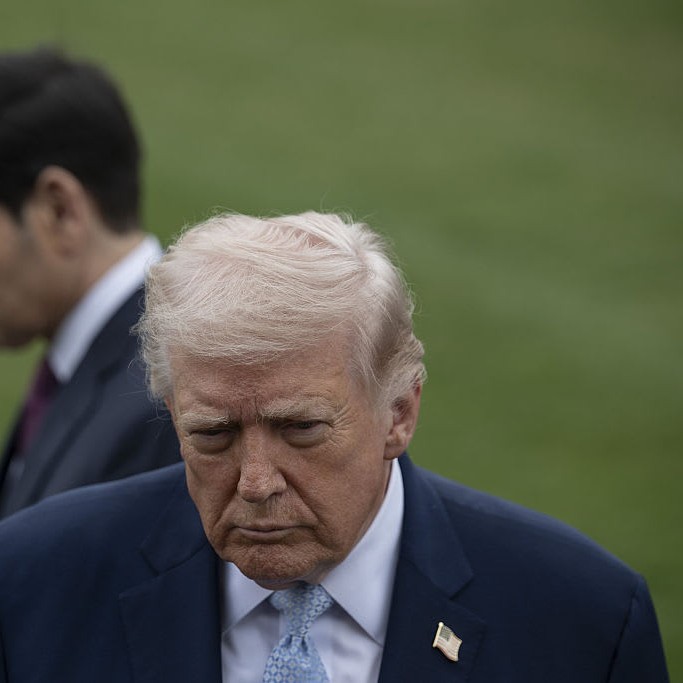
Donald Trump has spent months tightening the screws on Cuba. Then, on Air Force One, he casually waved a sanctioned Russian oil tanker through, a move that raises a simple question with messy consequences: Who is U.S. pressure really aimed at?
What You Should Know
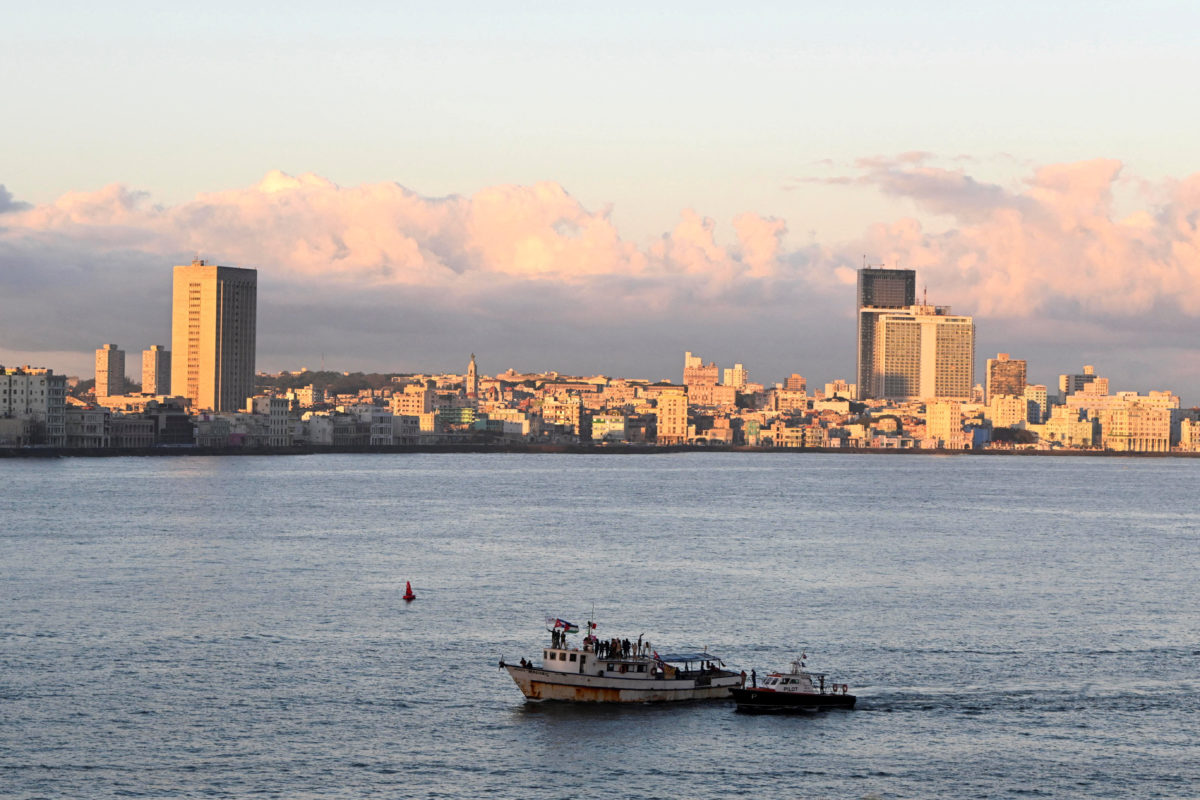
Trump said he has no problem with a sanctioned Russian oil tanker delivering oil to Cuba. Russia said the vessel Anatoly Kolodkin arrived at Matanzas carrying about 730,000 barrels labeled as humanitarian supplies.
The comments came as Cuba struggles with widespread power outages and fuel shortages, and as Trump’s government argues its hard line is meant to accelerate political change on the island while avoiding harm to civilians.
A Sanctioned Ship, and a Presidential Green Light
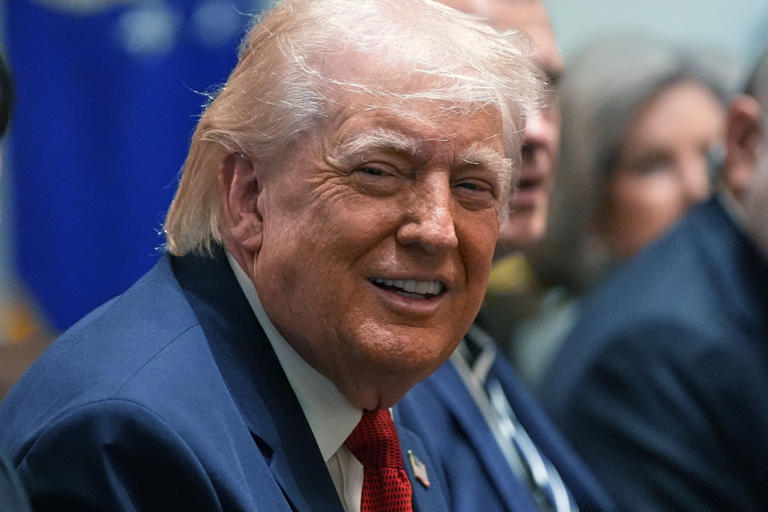
According to an Associated Press report published by PBS NewsHour, Trump told reporters he did not object to a Russian tanker approaching Cuba, even after being asked about reporting that the ship would be allowed to reach the island.
“We have a tanker out there. We don’t mind having somebody get a boatload because they need … they have to survive,” Trump said, according to the AP.
Russia’s Transport Ministry said Anatoly Kolodkin arrived at the Cuban port of Matanzas carrying about 730,000 barrels of oil described as “humanitarian supplies,” the AP reported. The same report noted the vessel is sanctioned by the United States, the European Union, and the United Kingdom following Russia’s war in Ukraine.
Cuba’s Blackouts Put the White House in a Bind
This is the tightrope. Trump has framed his Cuba policy as maximum pressure for regime change, and his administration has leaned into that posture publicly, with Secretary of State Marco Rubio also casting the crackdown as pro-democracy.
But the basic math is brutal. The AP cited experts who said the shipment could yield about 180,000 barrels of diesel, enough for roughly nine or 10 days of daily demand. That turns a geopolitical headline into a humanitarian one, because fuel is what keeps hospitals running, public transport moving, and lights on during rolling blackouts.
The Kremlin Gets a Photo Op, and Trump Shrugs
Moscow, for its part, is playing the optics. Kremlin spokesman Dmitry Peskov said Russia had previously discussed the shipment with the United States and cast it as a duty to help Cuba, the AP reported, a line that lets Russia claim moral high ground while still shipping a sanctioned commodity.
Trump brushed off the idea that letting the cargo land meaningfully benefits Vladimir Putin, arguing it is a single boatload. The next tell will be whether this becomes a one-off carveout or the start of a quieter pattern where enforcement bends when the images get too sharp.