

Washington can argue about Iran in a studio all night. The real question is what happens when those talking points start sounding like a vote count, and a war authorization starts looking like a loyalty test.
What You Should Know
Debate over potential U.S. military action involving Iran has renewed focus on Congress’s war powers under federal law. The War Powers Resolution says presidents must rely on a declaration of war, specific authorization, or a national emergency created by an attack.
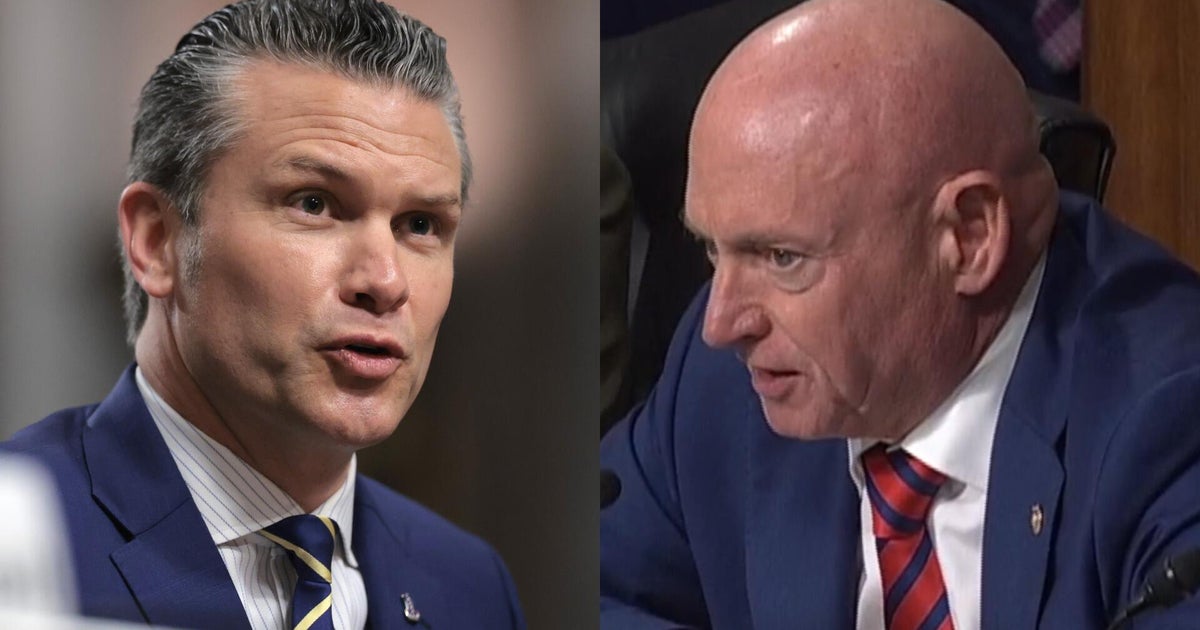
Into that friction stepped two veterans with very different megaphones: Pete Hegseth, a Fox News host and former National Guard officer, and Sen. Mark Kelly, a Democratic senator from Arizona and former Navy combat pilot.
The split is not just hawks versus doves. It is branch versus branch, and microphone versus gavel, over whether Iran policy is set by televised certainty or by a recordable vote that can be used in the next campaign.
The legal terrain is not mysterious. The War Powers Resolution was written to box in unilateral war-making after Vietnam, and it reads like an argument already in progress.
“The constitutional powers of the President as Commander-in-Chief to introduce United States Armed Forces into hostilities… are exercised only pursuant to (1) a declaration of war, (2) specific statutory authorization, or (3) a national emergency created by attack upon the United States, its territories or possessions, or its armed forces.”
The Two Stories Being Told
Hegseth-style messaging treats escalation as a credibility problem. If Iran or Iran-backed forces hit U.S. personnel or interests, the pitch goes, the United States either answers hard or invites more attacks. The center of gravity is deterrence, and hesitation is framed as weakness.
Kelly’s lane, at least institutionally, is different. Senators can demand briefings, push public hearings, and force colleagues to own a position in writing. The power move is procedural, and it turns war into something that produces fingerprints.
That is why the argument keeps snapping back to process. Presidents of both parties have stretched existing authorities, including decades-old authorizations passed after September 11th, to justify strikes against terror groups and militias. Critics, including lawmakers from both parties at different moments, have warned that old permissions can become a blank check when a new conflict emerges.
What Happens if Congress Blinks
If the U.S. slides into a direct confrontation with Iran without a clear authorization, the consequences are not abstract. The Pentagon gets broader latitude, the executive branch gets precedent, and senators get a familiar escape hatch: praise the troops, question the details, and avoid the vote that would define them.
That dynamic is why a cable-news feud matters in the Senate’s backyard. It is not really about who sounds tougher on air. It is about whether elected officials will treat war powers as a living constraint or as an antique that comes off the shelf only after missiles are already flying.