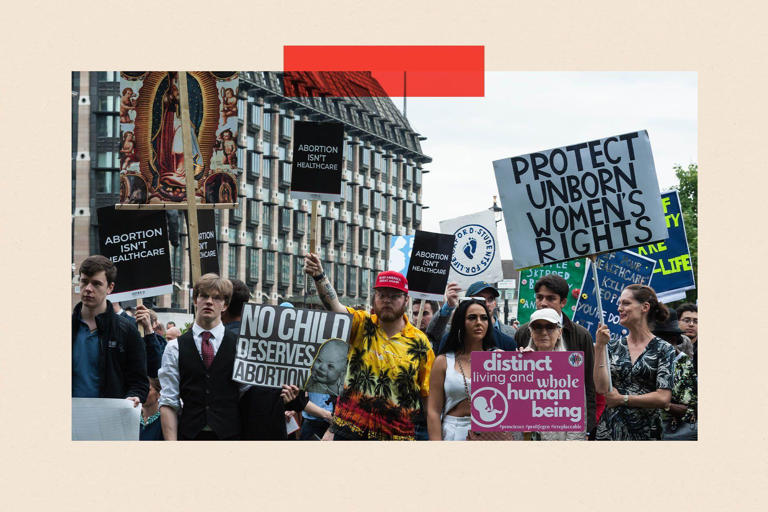
A new wave of UK anti-abortion activism is not just homegrown. It is being shaped, funded, and sometimes legally stress-tested by US groups that know exactly how to turn a culture fight into a permanent machine.
What You Should Know
The BBC reports that some US anti-abortion groups now have growing UK footprints, with campus activism, social media content, and litigation strategies. The trend is colliding with UK buffer-zone enforcement, charity funding disclosures, and a Parliament debate over abortion decriminalization.
The story centers on young activists, American-branded organizations, and UK groups that argue they are defending rights, while critics argue they are importing a harder-edged style of politics into a country with different laws and norms.
The American Playbook Lands in Britain
One 21-year-old activist told the BBC his opposition to abortion came before religion, then escalated through online arguments, Pentecostal church life, and US political content. In the BBC’s telling, that pipeline is increasingly common: algorithms, identity, then activism.
On campuses, the style looks familiar to Americans. The BBC describes UK student groups, Turning Point branding, and an online reverence for Charlie Kirk that functions less like policy debate and more like recruitment, with the kind of social media momentum that does not need a majority to dominate a room.
That dominance can be measured in friction. The BBC reports hundreds protesting at a University of Manchester meeting tied to a new pro-life society, with police escorting attendees out. Even as activists remain a minority nationally, campuses create the optics of scale, plus the conflict clips that travel.
Money Trails and Courtroom Tests
Behind the posters and petitions sits the more durable lever: law. The BBC reports that the Alliance for Defending Freedom has helped defend protesters accused of breaching abortion clinic buffer zones, with legal arguments framed around speech and conscience rather than theology.
The funding numbers are the kind regulators notice. According to the BBC, ADF International (UK), founded in London in 2015, received 324,000 in support from the US-based ADF in 2020. By 2024, that rose to 1.1m, out of a total income of 1.3 m. An ADF UK spokesperson told the BBC, “Our work is privately funded, and we fully comply with all rules set out by the various regulators of the countries we are based in, including the UK.”
Results in court have been mixed. The BBC reports convictions in two highlighted buffer-zone cases, including Livia Tossici-Bolt and Adam Smith-Connor, with conditional discharges and significant cost orders. The bigger tension is structural: UK speech rights exist, but they are balanced against other rights more readily than in the US, a mismatch that can turn an imported strategy into an expensive losing streak.
What Happens if the Culture Gap Closes
The next pressure point is policy, not just protest, as Parliament debates changes such as decriminalizing self-managed abortions while keeping clinical limits in place. Watch the money, the student groups, and the buffer-zone cases, because each one tests whether an American-style campaign can survive British law.