

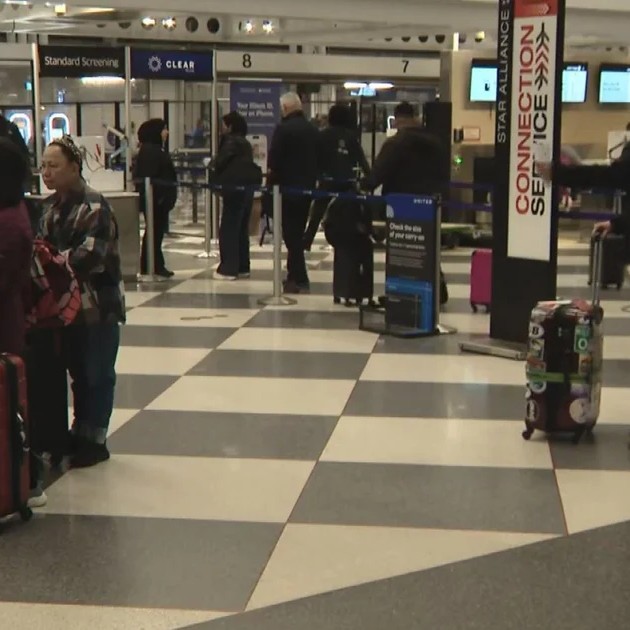
At the airport, the shutdown story is not playing out in speeches. It is playing out in who shows up to work, who does not, and how long the line gets when the clock starts.
What You Should Know
Internal TSA statistics obtained by CBS News show unscheduled absences averaging about 6% during the DHS shutdown that began February 14th, 2026, up from about 2% before funding lapsed. TSA also recorded 305 employee separations from February 14th, 2026, through March 9th, 2026.
CBS News reported that roughly 50,000 Transportation Security Administration officers were required to work without pay during the funding lapse, and that the strain is showing up in daily callout rates, airport by airport, shift by shift.
The Absence Spike Is No Longer a Rounding Error
The headline number is simple: “Unscheduled absences among airport security officers have more than doubled during the ongoing Department of Homeland Security shutdown,” CBS wrote, citing internal TSA statistics it obtained.
Those internal figures put the nationwide callout rate at an average of 6% during the shutdown, compared with about 2% before the funding lapse, according to CBS. The data also show peaks hitting 9% on February 23rd, 2026, 8% on March 6th, 2026, and 7% on March 9th, 2026.
At specific airports, the numbers jump from uncomfortable to operationally dangerous. CBS reported that TSA officers averaged a 21% absence rate at John F. Kennedy International Airport, with other major hubs also in the teens, and that Houston’s William P. Hobby Airport saw a two-day stretch in which roughly half of the scheduled officers called out.
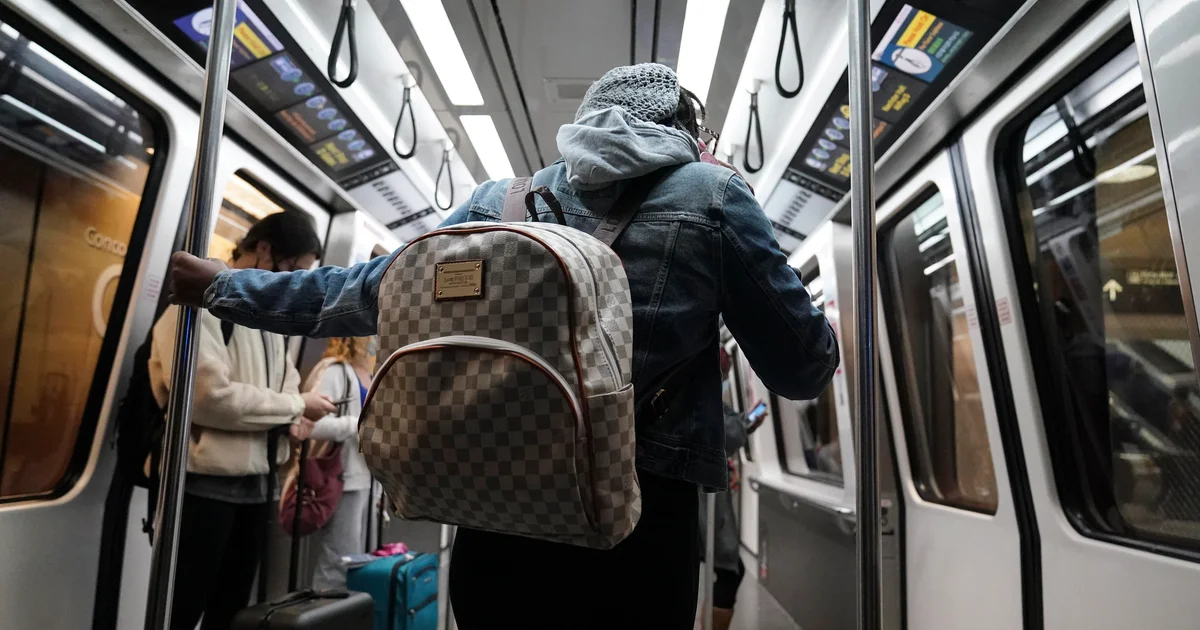
Attrition, Training, and the Slow-Motion Backlog
Callouts get the most attention because they are visible to travelers. Separations are the quieter problem because they compound over time, and they do not reverse when the lights come back on.
CBS reported that TSA recorded 305 employee separations between February 14th, 2026, and March 9th, 2026. The same reporting noted that replacing officers is not quick, because the agency faces a months-long training pipeline before new hires can work independently at checkpoints.
Shutdown Politics Meets Airport Reality
This is where the power dynamics get sharp. A shutdown is supposed to be a bargaining chip in Washington, but airports convert it into a public-facing stress test, with the pressure landing on frontline employees, and the blame landing wherever the nearest camera points.
There is also a cash-flow trap baked into the standoff. Federal law requires retroactive pay for federal employees affected by a lapse in appropriations, but the promise of back pay does not cover the rent during the gap, when callouts rise, and resignations become tempting.
What to watch next is not just whether funding returns, but whether TSA can stabilize attendance and slow departures afterward, especially at the biggest hubs where absence spikes were already showing up in the internal data. The longer the shutdown lasts, the more the staffing math becomes a backlog problem that does not end the moment a deal is signed.