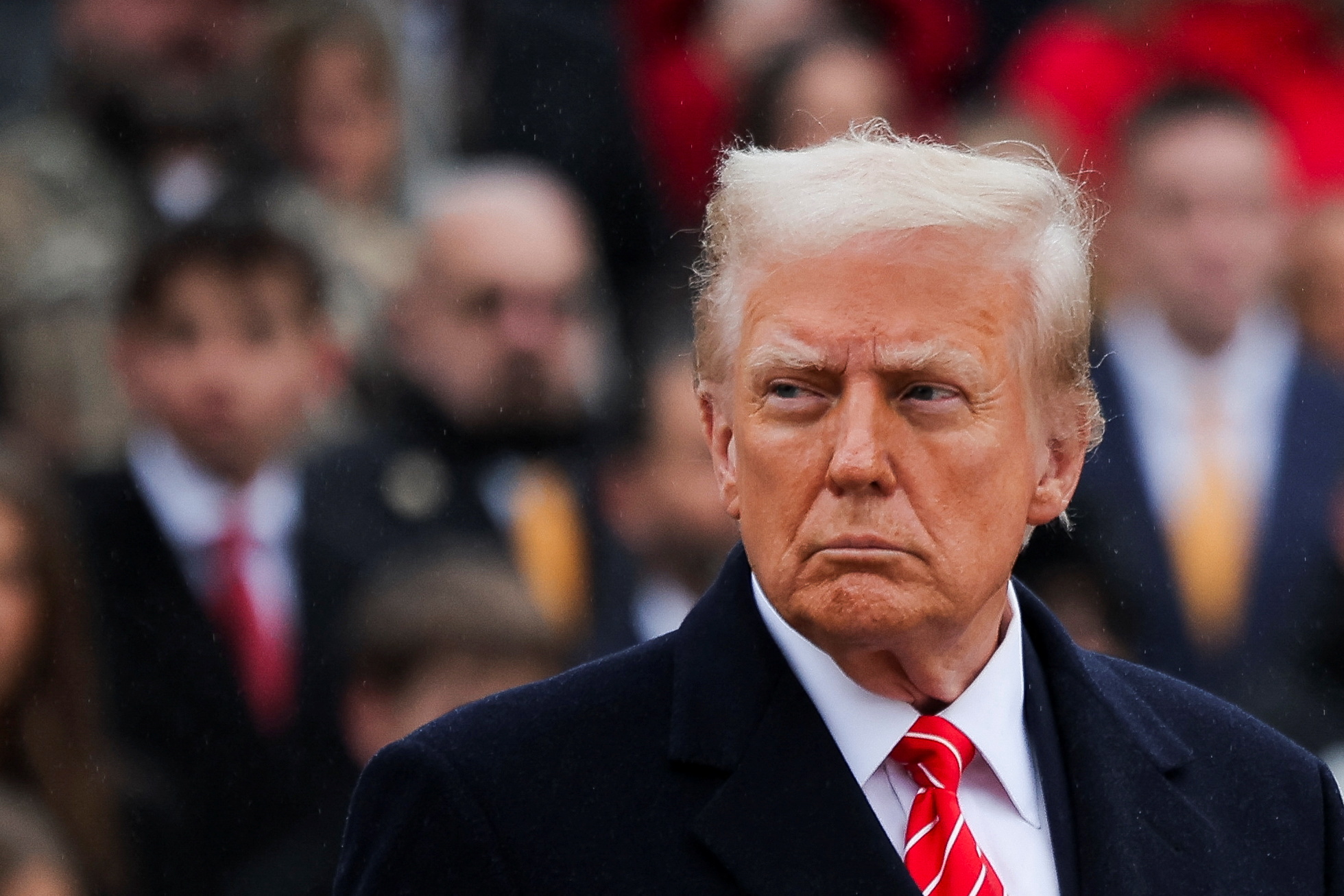
President Donald Trump is talking as if he is building a naval presence in the Strait of Hormuz. The problem is that they’re not showing up on the record so far.
What You Should Know
Trump said on March 16th, 2026, that he has demanded that roughly seven countries send warships to help keep the Strait of Hormuz open, but he cited no commitments. The strait is a major oil chokepoint, and emergency stock releases are being prepared.
Trump made the comments while returning to Washington on Air Force One, arguing that countries dependent on Middle East crude should do more to protect shipping lanes that their economies rely on.
Trump’s Ask, and the Fine Print
According to The Associated Press reporting carried by PBS NewsHour, Trump said he declined to name the countries his administration is courting for a coalition to police the waterway where about one-fifth of the world’s traded oil normally flows.
He also tried to reframe the mission as someone else’s self-interest, saying, “I’m demanding that these countries come in and protect their own territory, because it is their own territory,” while claiming the United States does not need the route in the same way because of its own oil access.
Allies Hear a Warning
Diplomacy did not sound like diplomacy when Trump described the United Kingdom’s response. He said Prime Minister Keir Starmer initially declined to put British aircraft carriers “into harm’s way,” then added a line that reads like a receipt filed for later: “We will remember.”
Publicly, governments sounded careful, not eager. Britain described talks focused on reopening the strait to reduce disruption to global shipping, while South Korea said it “takes note” and will review the situation with the United States. Meanwhile, Germany’s foreign minister told ARD television that Berlin does not expect to become an active part of the conflict.
Oil, Ports, and the Pressure Gauge
Iran’s Foreign Minister Abbas Araghchi, speaking to CBS, said Tehran has been approached by countries seeking safe passage, but framed access as a military call. He also drew a hard line on U.S. diplomacy, saying, “We don’t see any reason why we should talk with Americans” about ending the war, and pointed to February 28th, 2026, as the date he said coordinated attacks began during indirect nuclear talks.
Markets, however, do not wait for perfect coalitions. The International Energy Agency said emergency oil stocks will start flowing to global markets, updating a previously announced figure to nearly 412 million barrels, with Asian member releases planned immediately and additional volumes expected from Europe and the Americas from the end of March.
At the same time, the conflict has spilled into commercial nerves across the Gulf. Dubai temporarily suspended flights at its international airport after a drone hit a fuel tank and sparked a fire, and the UAE rejected an Iranian claim that U.S. strikes on Kharg Island were launched from Emirati territory, with U.S. Central Command saying it had no response to the allegation.
The next signal to watch is not another headline-grabbing demand, but whether any navy actually attaches its flag to Trump’s proposed patrol, and under what rules. Until that happens, the Strait’s security is being negotiated in public, in private, and in the price of a barrel.