Gas prices hit voters in the wallet. A threatened sea lane disrupts the world’s supply chain. Now, President Trump is trying to calm both at once, and the way he is doing it raises a sharper question: who is expected to carry the risk?
What You Should Know
CBS News reported that President Trump sought to soothe concerns about rising oil and gas prices while calling on allies to help protect ships transiting the Strait of Hormuz amid reported attacks on commercial vessels in the region.
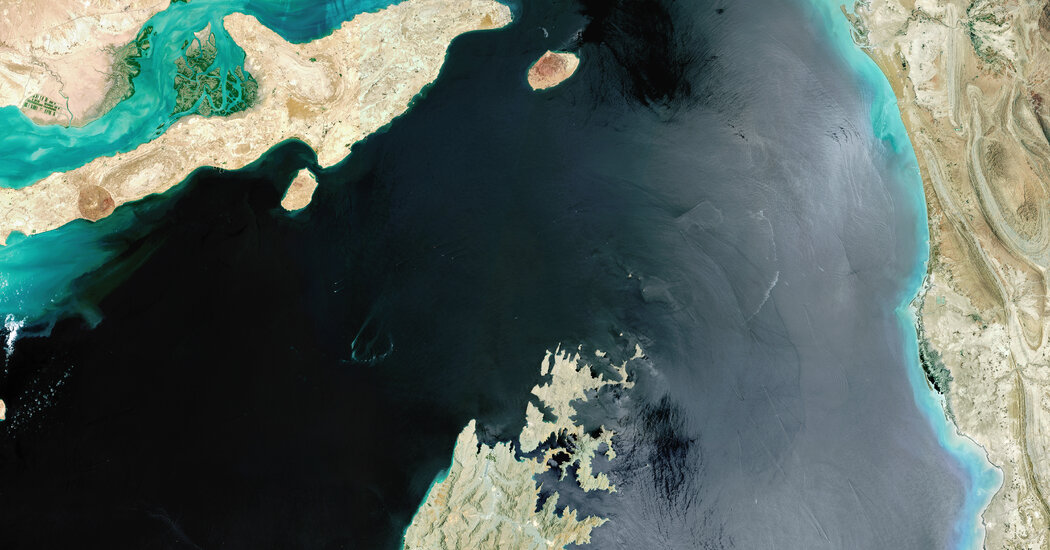
The Strait of Hormuz is not a distant geography quiz. It is leverage. It is the narrow passage linking the Persian Gulf to the open ocean, and when it looks unsafe, markets can move before navies do.
The Chokepoint That Moves the Money
The mechanics are brutal and simple: a lot of the world is funneled through a very small space. The U.S. Energy Information Administration has called it plainly: “The Strait of Hormuz is the world’s most important oil transit chokepoint.”
That matters politically because oil prices are not just an energy story. They are a headline story, a consumer story, and, in an election cycle, a blame story. When shipping insurers, traders, or governments believe transit is at risk, the price impact can be felt far from the Persian Gulf.
Pump Politics Meets Naval Reality
According to CBS News, Trump has been trying to tamp down fears about rising prices while also urging allied participation to protect shipping in and around the strait after reports of attacks on vessels. That is a two-track message with one shared audience: drivers at home and partners abroad.
The tension is that reassuring consumers is mostly a communications job. Securing a maritime corridor is a capability job. The second one involves ships, intelligence, rules of engagement, and the kind of split-second decisions that can turn a patrol into an international incident.
Allies Hear a Request, and a Bill
Calls for coalition protection sound cooperative on paper, but they also function as a test of alignment. If allies show up, Washington can frame it as shared responsibility. If they hesitate, the hesitation becomes its own signal, especially when the stakes include energy flows and regional deterrence.
There is another contradiction baked in. The U.S. wants partners to help absorb security costs, yet the political pressure point being managed is domestic fuel prices. The same disruption that can justify a naval push can also become a talking point about leadership, competence, and control.
What to watch next is not just whether shipping routes stay open. It is whether the administration can keep its message coherent if prices keep rising, incidents keep happening, and allies start asking exactly what they are signing up for.