What You Should Know
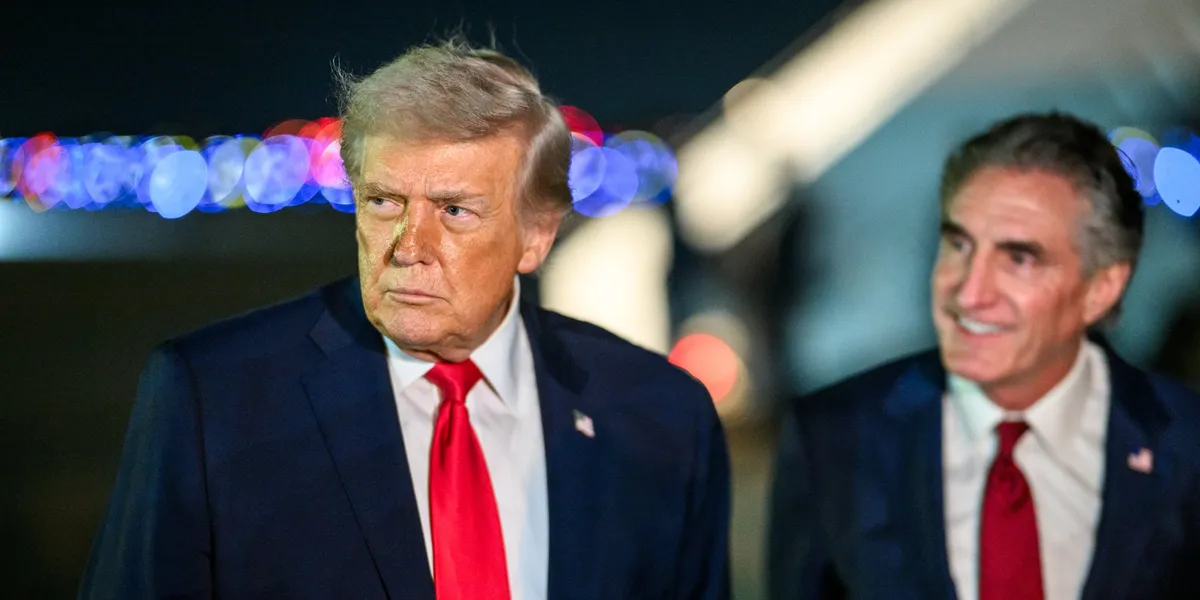
The Hill reported that Trump threatened Iranian infrastructure tied to the Strait of Hormuz. The strait is a strategic chokepoint for global energy shipping, and any U.S. or Iranian move there can quickly raise military and economic stakes.
The basic tension is simple. Trump sells himself as the dealmaker who avoids long wars, but his public posture toward Iran has often leaned on maximum pressure language, with military consequences sitting right behind the adjectives.
The Strait Is the Leverage Point
The Strait of Hormuz sits between Iran and Oman, and it is narrow enough that a security crisis can quickly become an economic one. That is why every threat around the waterway reads like a message to multiple audiences at once: Tehran, Washington, Gulf allies, and energy markets.
When politicians invoke the Strait, they are not just talking geography. They are talking about control, deterrence, and who gets to set the price of disruption, whether the cost lands on Iran, U.S. forces in the region, or consumers thousands of miles away.
Trump’s Threat Versus Trump’s Brand
Trump’s record gives his threats weight, even when they are delivered as campaign talk. As president, he withdrew the U.S. from the 2015 Iran nuclear deal and framed the move as a hard reset that would squeeze Tehran back to the table.
In remarks released by the Trump White House on May 8th, 2018, Trump said, “We will be instituting the highest level of economic sanctions.” The line is a reminder of how his Iran playbook tends to blend public warnings with tools that escalate quickly, sanctions first, then the question of what comes after.
And the after can be lethal. The Pentagon said the U.S. killed Iranian Gen. Qassem Soleimani in early January 2020, a decision that jolted the region and put retaliation scenarios on the front page. That history matters because infrastructure threats around the Strait of Hormuz are not abstract. They are the kind of statements that can box in adversaries and presidents alike.
What Comes Next if Talk Turns Into Policy
Threatening infrastructure near a chokepoint creates a chain reaction, legal authorities, military planning, allied buy-in, and the risk of miscalculation. Even if the talk never becomes an order, it signals a posture that Iran and U.S. partners will game out, especially in a region where shipping incidents can spiral into wider confrontation.
The next tell will not be another headline-grabbing line. It will be whether the rhetoric is paired with specific policy promises, force posture changes, or diplomatic conditions that turn a threat into an actual timetable.