

Washington is selling a 2026 boom. The question is whether the boom is an economic forecast, a political message, or a little of both.
In a new round of public predictions, senior Trump administration officials have pointed to potential Federal Reserve rate cuts and bigger tax refunds as rocket fuel for the next year. Outside economists are not dismissing the possibility of a short sprint, but they keep circling the same two words: inflation and uncertainty.
The Promise: 5% Now, 6% Later
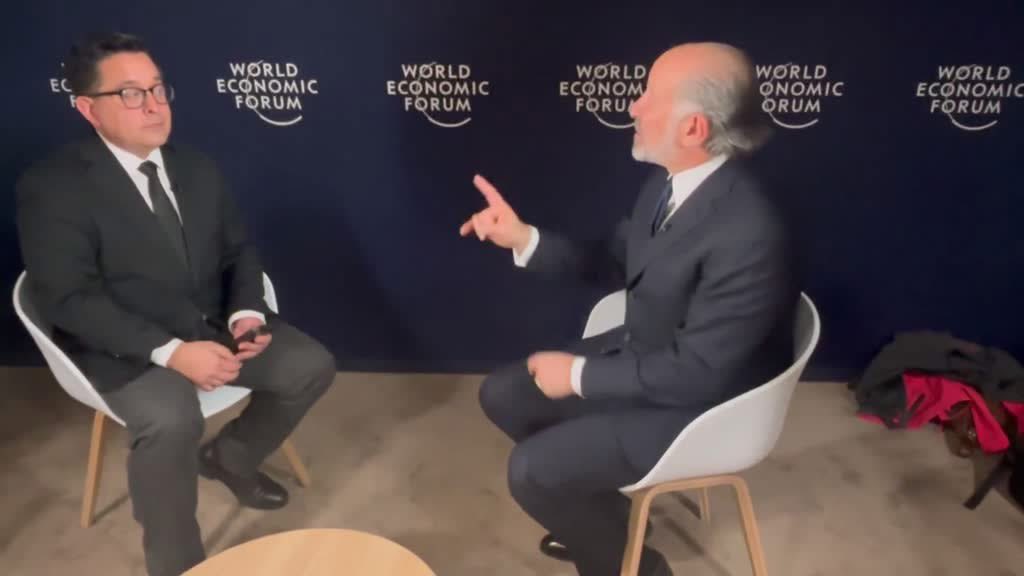
The latest growth chatter started with Commerce Secretary Howard Lutnick, who told Fox Business from Davos that the U.S. economy could clear 5% growth in early 2026 and reach 6% growth by the end of 2026, according to CBS News reporting on the remarks.
The logic offered by administration officials is straightforward and politically convenient. Lower interest rates can make mortgages, car loans, and business borrowing cheaper. Larger tax refunds can put cash in consumers’ hands quickly. Both can lift demand, at least for a while.
🚀 “GREATEST CREDIT IN THE WORLD”: Secretary Lutnick Predicts 6% Growth at Davos 🚀
U.S. Commerce Secretary Howard Lutnick delivered a high-energy economic update at the World Economic Forum in Davos today, January 20, 2026, telling the global elite that the United States is on… pic.twitter.com/7Ht0AOx8lG
— Eli Weber (@Eliweber_1) January 20, 2026
But this is where the forecast becomes a tightrope, because the same ingredients that can boost growth can also keep prices hot.
The Economist Check: A One-Off Pop Is Easier Than a Full Year
CBS News also quoted Mike Skordeles, head of U.S. economics at Truist, calling Lutnick’s kind of growth forecast plausible in a limited window, while warning that sustaining it is another matter. Skordeles said maintaining that pace for a full year is “a really tough hill to climb.”
His reasoning was not subtle. If borrowing costs come down while fiscal policy is simultaneously pushing more money into household budgets, demand can outstrip supply. That is the classic recipe for higher inflation, even if gross domestic product looks great on paper.
Skordeles also pointed to the kind of drag that does not show up neatly in a single policy announcement. Trade tensions and shifting economic signals can freeze business planning. In CBS’s account, he put it bluntly: “Those are not positives for the economy,” adding, “One of those reasons why we’re not growing faster is uncertainty.”
The Receipts the White House Is Pointing To
The White House is not arguing from vibes alone. A White House official, CBS reported, pointed to the Federal Reserve Bank of Atlanta’s GDPNow estimate as evidence that rapid growth is not a fantasy. GDPNow is a frequently cited “nowcast” model that updates as new data comes in.
At the time of CBS’s reporting, officials referenced a 5.4% GDPNow estimate for fourth-quarter growth. You can track the tool, and its constant revisions, on the Atlanta Fed’s GDPNow page.
Translation: the administration is using a respected forecasting model to argue the economy is already on a faster trajectory, and that policy changes could extend it.
The Boom’s Shadow: Inflation Is Not a Side Plot
The inflation risk is not theoretical, and critics are not making it up. The Federal Reserve has a long-stated goal of 2% inflation over time, outlined in the central bank’s Statement on Longer-Run Goals and Monetary Policy Strategy.
When inflation runs above that target, the Fed tends to keep rates higher for longer to cool demand. When political officials talk about a more rate-cut-friendly Fed chair, markets listen, but so do inflation watchers. If rate cuts arrive while consumer demand is juiced by refunds or other fiscal levers, price pressures can return quickly.
Even without a fresh flare-up, inflation data has remained central to the national mood. The Bureau of Labor Statistics’ monthly Consumer Price Index news release is the report card that hits everything from grocery bills to rent expectations, and it is the backdrop to every growth boast.
Why This Becomes Politics Fast
Big growth numbers make for clean talking points. They fit on a chyron. They are easy to repeat at rallies. But consumers rarely experience GDP as a personal win, especially when the same period includes stubborn prices for food, housing, insurance, and borrowing.
That is the tension inside the administration’s message. If the public hears “6% growth” but sees everyday costs staying elevated, the forecast can start to look like a victory lap taken too early. If inflation cools and wages hold up, the administration gets a compelling storyline: rates down, growth up, refunds bigger, confidence restored.
Skordeles’ point about uncertainty also matters politically. Businesses do not just react to today’s rate. They react to the next rule, the next tariff threat, the next reversal, and the next leadership fight. When corporate decision-makers hesitate, hiring and investment can soften, and the boom pitch loses oxygen.
What To Watch Next
Three things will determine whether this forecast ages like prophecy or like spin.
First, the Fed’s actual rate path, and whether inflation data gives policymakers room to cut without reigniting price growth.
Second, the real-world impact of tax refunds and other fiscal measures. Quick cash can boost consumption, but it can also bump prices if supply does not keep up.
Third, the uncertainty factor: trade policy, tariff pressure, and shifting signals that can cause businesses to delay investment. That delay rarely makes headlines, but it shows up later in slower growth.
For now, the administration’s bet is simple: sell the boom early, cite real-time forecasting tools, and argue that cheaper money and bigger refunds will do the rest. The counterargument is just as simple, and it comes with a warning label: growth can surge, but if prices surge with it, voters notice that first.