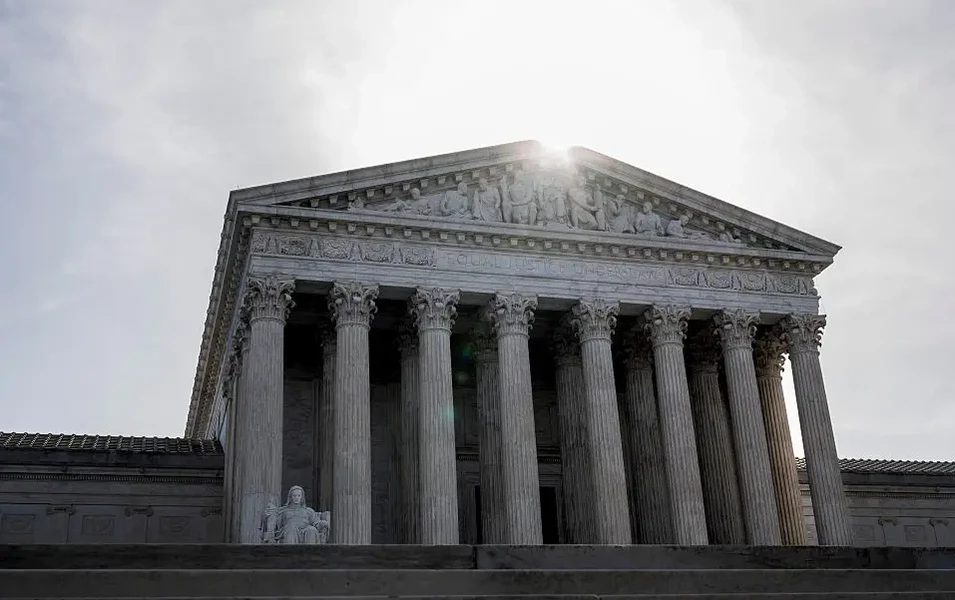


The Supreme Court took away one of President Donald Trump’s favorite economic levers. The White House is now shopping for another, and it is doing it on a deadline that turns a legal loss into a high-stakes trade reset.
What You Should Know
On March 11th, 2026, the Trump administration launched new trade investigations under Section 301 of the Trade Act of 1974 after the Supreme Court struck down its earlier emergency-based tariffs. Officials said the work could lead to new import taxes.
The push is being led by U.S. Trade Representative Jamieson Greer, who is trying to preserve the administration’s tariff-driven bargaining power even as the courts narrow which laws can be used to collect it.
Why the White House Is Switching Legal Tools
According to a PBS NewsHour report based on an Associated Press dispatch, the administration opened the new probe after the Supreme Court struck down Trump’s prior tariff regime, which had been justified by a declaration of an economic emergency. The message from Trump world has been consistent. The policy stays, and the legal hook changes.
Section 301 is the workhorse tool presidents use to investigate foreign trade practices and, potentially, impose tariffs as a remedy. It is also slower and more process-heavy than flipping an emergency switch, which means the White House is wagering that procedure can still deliver pressure.
Section 301 Targets a Long List of Economies
Greer said the investigation would examine excess industrial capacity and government support that can tilt the playing field against U.S. manufacturers. The administration listed targets that span much of the global supply chain, including China, the European Union, Mexico, Japan, India, and Vietnam, among others.
The administration also said it is rolling out a separate Section 301 investigation to block imports tied to forced labor. At the same time, officials have pointed to other possible fronts, including digital services taxes, pharmaceutical pricing, and ocean pollution, while the Commerce Department continues its own Section 232 national security investigations.
Refund Politics, Court Limits, and the Next Deadline
The Supreme Court ruling did not just erase a revenue stream. It handed Democrats a midterm talking point, forcing Republicans to defend a tariff program that opponents argue should now include refunds.
There is also a ticking clock inside the administration’s own stopgap. Greer pointed to tariffs imposed under Section 122, a different 1974 authority, including a 10% levy that PBS NewsHour reported expires after 150 days on July 24th. Trump has said he wants to raise that rate to 15%, but the administration has not done so.
Greer tried to keep the new investigation distinct from last year’s tariff frameworks with partners, even while acknowledging the overlap in leverage. As he put it, “My sense is that these countries continue to want to deal, and President Trump continues to want the deal.” The next fight is whether the courts let the administration rebuild the same pressure campaign under a different statute, and whether trading partners play along.
References
- PBS NewsHour: Trump Administration Starts New Process to Try to Replace Tariffs Struck Down by Supreme Court
- Cornell Law School: 19 U.S. Code Section 2411, Actions by U.S. Trade Representative
- Cornell Law School: 19 U.S. Code Section 2132, Temporary Import Surcharges
- Cornell Law School: 19 U.S. Code Section 1862, National Security