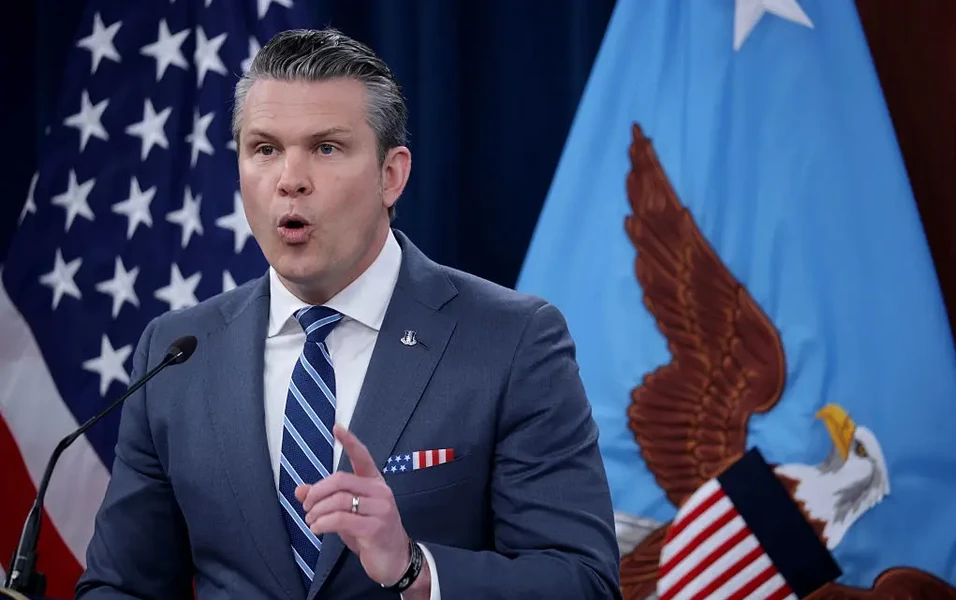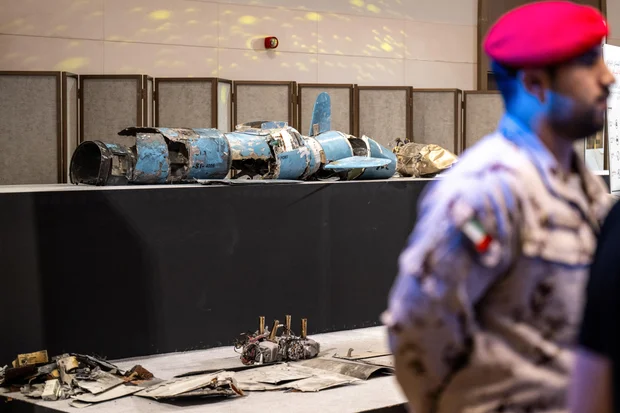
Wars do not just spread on maps. They spread through language, too, and the White House is talking like the menu keeps changing by the hour.
What You Should Know
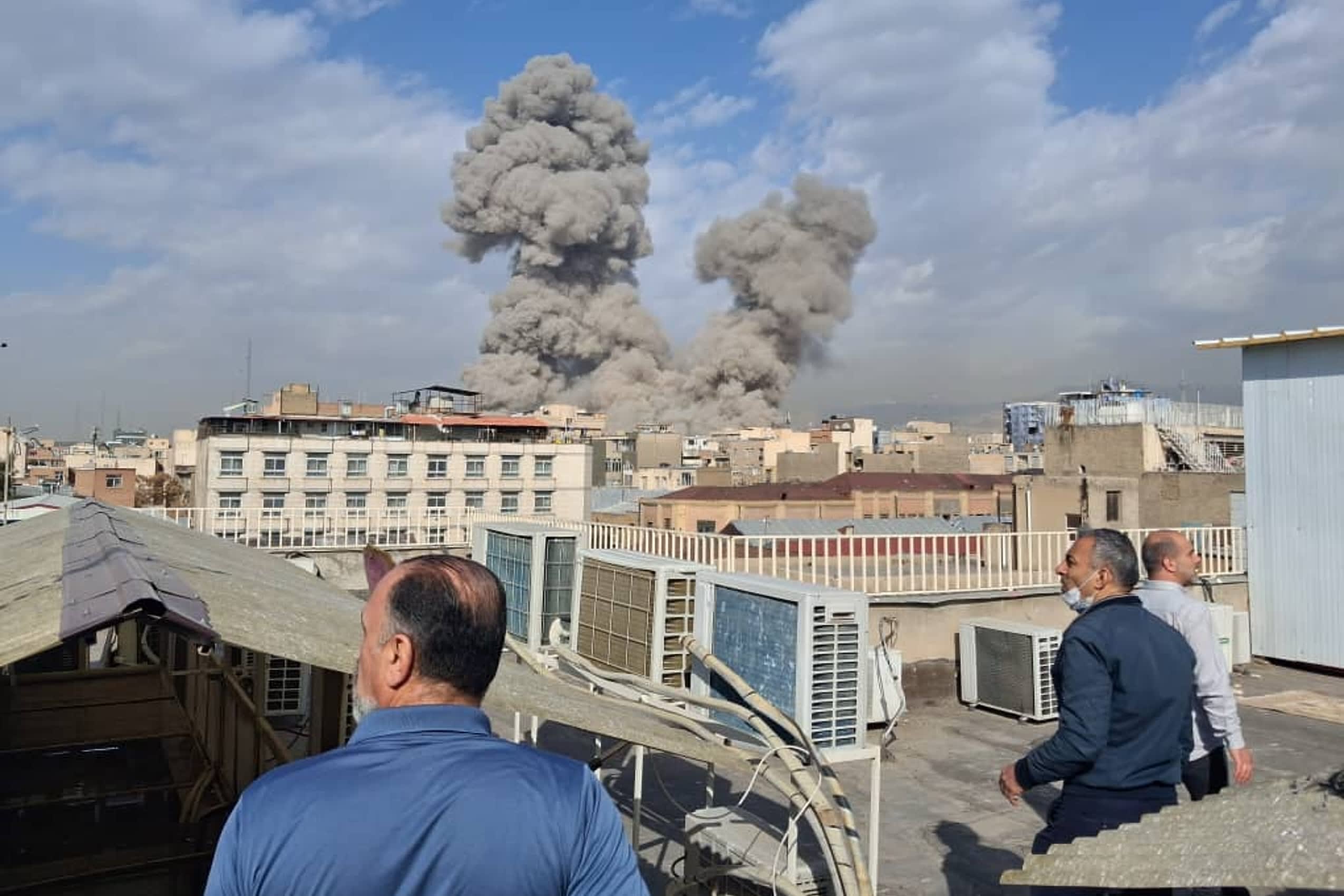
CBS News reported that the U.S. and Israel’s war with Iran entered its seventh day amid strikes in Tehran and Lebanon, and reported Iranian drone hits in Azerbaijan. President Trump publicly raised possibilities that included ground troops and weighing in on Iran’s next leader.
The basic facts are moving fast, but the political posture is moving faster. The conflict, as described in CBS News live updates dated March 6th, 2026, has widened beyond a single front, with new strikes in Lebanon and Tehran and new pressure points on U.S. partners in the region.
Trump’s Expanding Menu of Options
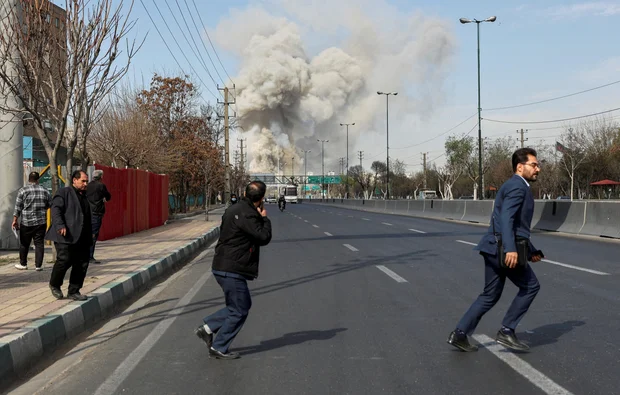
On one track, the U.S. and allied forces are described as targeting Iranian missile launchers and other military sites. On the other, Trump has floated ideas that go well beyond airstrikes, including not ruling out U.S. ground involvement.
That is the hinge that makes diplomats sweat. Ground troops are not just a military decision. They lock in timelines, force public commitments, and expose leaders to the kind of outcome math that can reorder politics at home and alliances abroad.
Azerbaijan Gets Pulled In
The reported drone strikes in Azerbaijan are the kind of spillover that turns a regional war into a regional dilemma. Azerbaijan sits in a complicated neighborhood, and any cross-border attack raises immediate questions about escalation, retaliation, and who is expected to provide air defense or intelligence support.
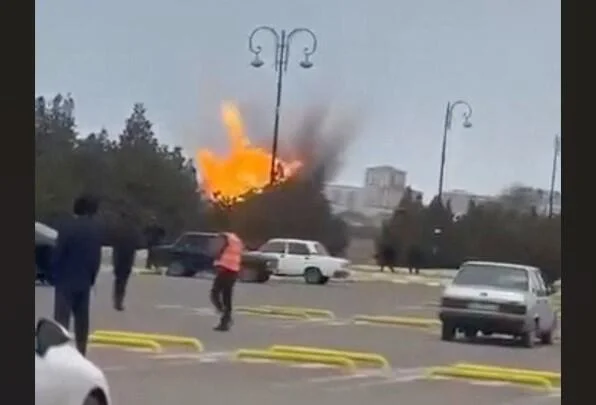
For Washington, the problem is not only whether partners stay onside. It is whether partners start making their own moves to protect themselves, which can create new flashpoints and new demands on U.S. military assets already stretched across multiple theaters.
The Real Stakes of Talking About Iran’s Leadership
Trump’s suggestion that the U.S. might have a role in selecting Iran’s next leader pulls the war out of the realm of targets and into the realm of regime politics. That kind of framing can strengthen hard-liners’ arguments inside Iran, even as it signals to allies that Washington is thinking about the endgame, not just attrition.
What to watch next is whether the battlefield action keeps pacing the rhetoric, or whether the rhetoric starts pulling the battlefield behind it. Either way, the longer the fight touches capitals, borders, and succession talk, the harder it gets to walk anything back.