The war feels abstract right up until a cargo plane door opens at Dover, and the cameras go quiet.
What You Should Know
President Donald Trump attended a dignified transfer at Dover Air Force Base on March 7th, 2026, for six U.S. Army Reserve soldiers killed by a drone strike in Kuwait. Vice President JD Vance and senior administration officials were also present.
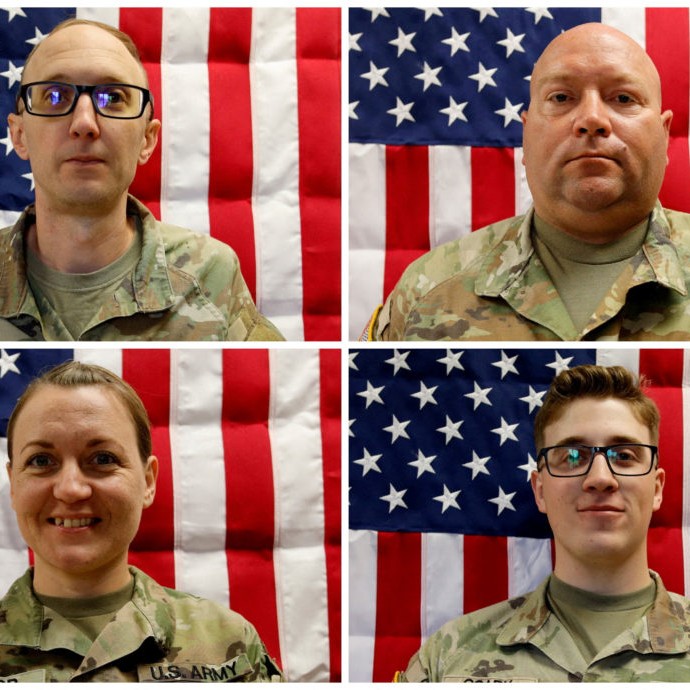
The fallen were all Army Reserve members assigned to the 103rd Sustainment Command, a logistics unit based in Des Moines, Iowa. Their deaths came as the U.S. and Israel escalated military action against Iran, pulling Washington deeper into a volatile regional fight.
Dover, the Quiet Photo, and the Loud War
The dignified transfer is one of the presidency’s most rigidly scripted moments, and that is the point. Trump did not deliver remarks during the ceremony, saluting as each flag-draped transfer case was carried from the aircraft to waiting vehicles for the mortuary facility at the base.
Trump’s earlier description of the ritual, from his first term, still frames the job’s starkest contrast: “the toughest thing I have to do.” At Dover, the message is not supposed to be policy. It is presence.
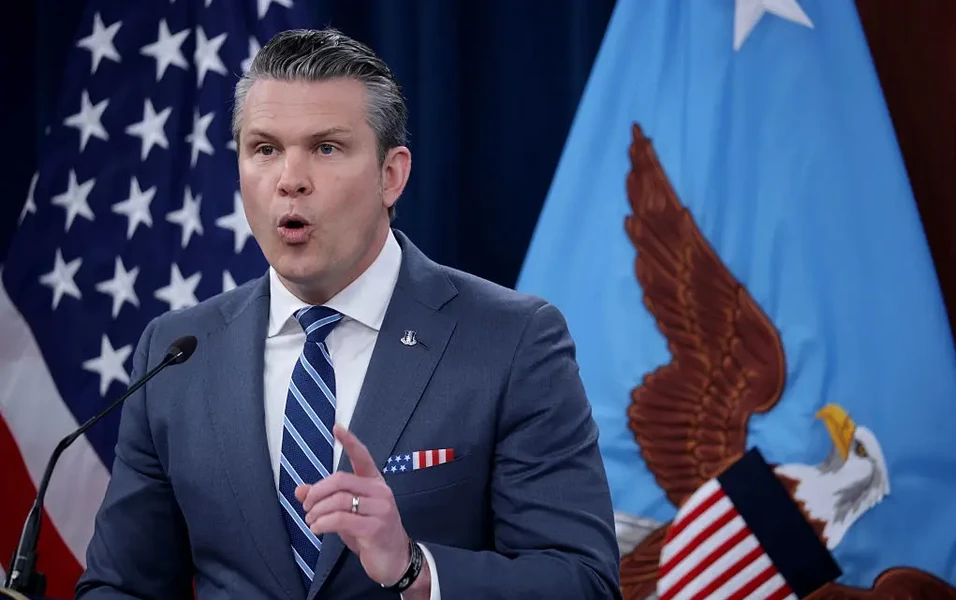
Vance attended alongside the president, and so did a lineup of senior power centers: Defense Secretary Pete Hegseth, Attorney General Pam Bondi, White House chief of staff Susie Wiles, special envoy Steve Witkoff, and Tulsi Gabbard, the director of national intelligence. Governors and senators from Iowa, Minnesota, Nebraska, and Florida were also there, matching the hometown map of the dead.
Six Names, One Unit, and a Tight Timeline
The soldiers killed in action were Maj. Jeffrey O’Brien, Capt. Cody Khork, Chief Warrant Officer 3, Robert Marzan, Sgt. 1st Class Nicole Amor, Sgt. 1st Class Noah Tietjens, and Sgt. Declan Coady, who was 20 and posthumously promoted from specialist. The ages ran up to 54, a reminder that Reserve service is often layered on top of civilian life, not separate from it.
They were killed by a drone strike on a command center in Kuwait, and the timing is the detail that does not let Washington off the hook. They died one day after the U.S. and Israel launched a military campaign against Iran, turning a geopolitical argument into a casualty list with names, families, and votes.
Politics Does Not Pause at the Flight Line
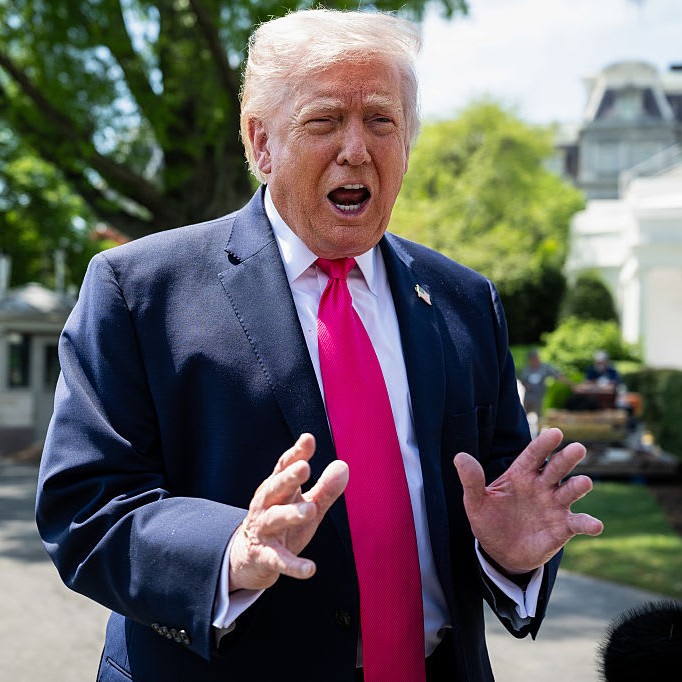
Trump arrived in a blue suit, red tie, and a white USA hat, a visual that can read as ordinary branding until it is placed next to six flag-draped cases. In Miami, before traveling to Delaware, he publicly framed the dead as heroes and pledged to keep American war deaths to a minimum, a promise that now has a scoreboard and a deadline.
The administration’s presence at Dover also functions as a pressure test. As the war expands, every future briefing will be judged against the images from the transfer line, and every next strike will be weighed against the risk of another plane landing at the same base.
For now, the ritual does what it always does, and what politics rarely can: it forces the country’s most powerful people to stand still while the consequences move past them, one by one.