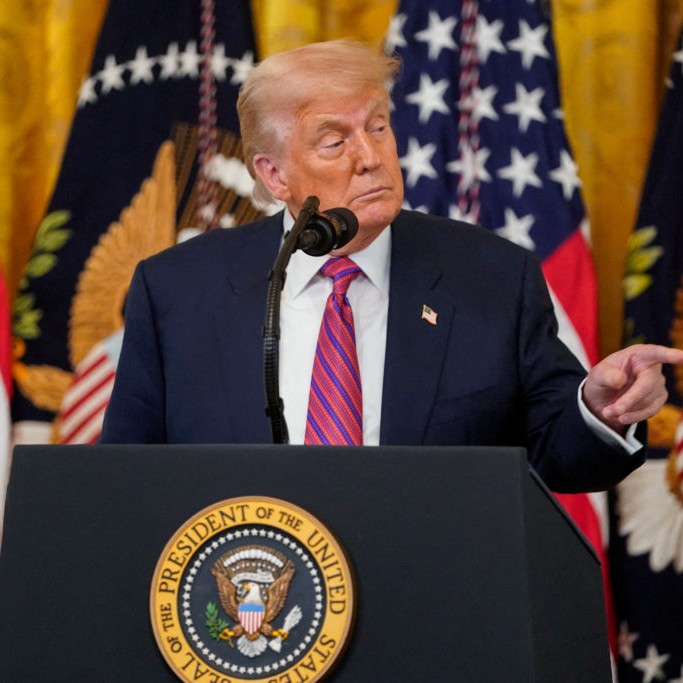
Two weeks into a shooting war is a bad time to discover your closing argument does not close. For President Donald Trump, the Iran conflict has become a test of control, message discipline, and whether the government can match its promises with visible results.
What You Should Know
In an AP analysis published March 15th, 2026, Trump faced mounting political blowback from the Iran war, including disrupted shipping in the Strait of Hormuz, higher oil prices, and a U.S. move to temporarily ease some Russian oil sanctions.
The basic bind is easy to spot. Trump has talked like the U.S. is winning and energy prices will fall, while the war is still producing American deaths, market jitters, and unanswered questions about how oil tankers move safely through one of the world’s most sensitive chokepoints.
Hormuz, TV, and a Promise Not Yet Delivered
According to The Associated Press, carried by PBS NewsHour, Trump has fumed about coverage of the conflict, writing that the media wanted the U.S. to lose. Soon after, his broadcast regulator warned that licenses would be pulled unless broadcasters corrected course, a familiar squeeze play that turns a military story into a domestic loyalty test.
On the operational side, Trump had pledged naval escorts for tankers transiting the Strait of Hormuz. However, that has not materialized, and Trump instead posted that other countries should send ships, calling it a team effort. Governments, including Japan, South Korea, the United Kingdom, and China, responded cautiously, signaling talks and coordination rather than immediately lining up behind a U.S.-led flotilla.
Gas Prices, a Russia Waiver, and Midterm Math
Then came the policy move that scrambled the optics: the U.S. Treasury Department announced a 30-day waiver on Russian sanctions aimed at freeing up Russian oil cargoes stranded at sea, framed as a way to ease shortages tied to the Iran war. Critics, including Ukraine’s leadership, argued it risks strengthening Moscow at the exact moment sanctions were meant to limit the Kremlin’s war financing.
Domestically, Democrats have tried to stitch the war to household costs, arguing that turmoil abroad punctures Republicans’ promises on prices. The AP analysis also described divisions inside Trump’s broader coalition, with some supporters backing military action and others pointing to his past anti-war campaigning.
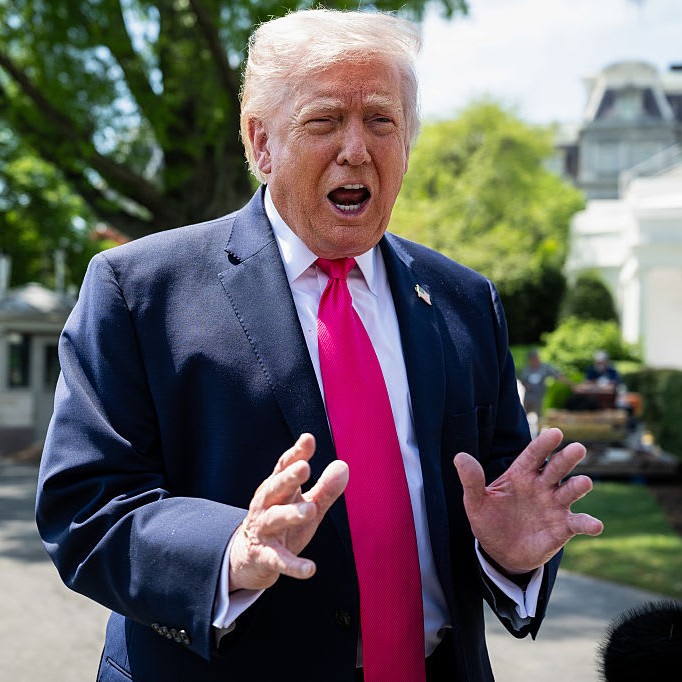
Pressed about what he would tell voters angry about gas prices, Trump offered a simple political warranty: “You’re going to see a very big decrease in the prices of gasoline, gas, anything having to do with energy, as soon as this is ended,” he said.
His own administration has been less absolute. Energy Secretary Chris Wright said on NBC’s “Meet the Press” that higher prices are landing now, adding, “Americans are feeling it right now,” and suggesting the pain could last for weeks.
Republican Sen. Rand Paul warned that sustained high oil and gas prices could spell disaster for the GOP in the midterms, and high-profile voices on the right, including Tucker Carlson and Megyn Kelly, have criticized Trump’s approach. What to watch next is whether the White House can translate talk of victory into concrete shipping security and falling prices, before November’s campaign clock turns the war into an economic referendum.