If the world’s most important oil bottleneck starts to look like a toll booth, the next question is simple. Who gets the bill, and who gets the blame?
What You Should Know
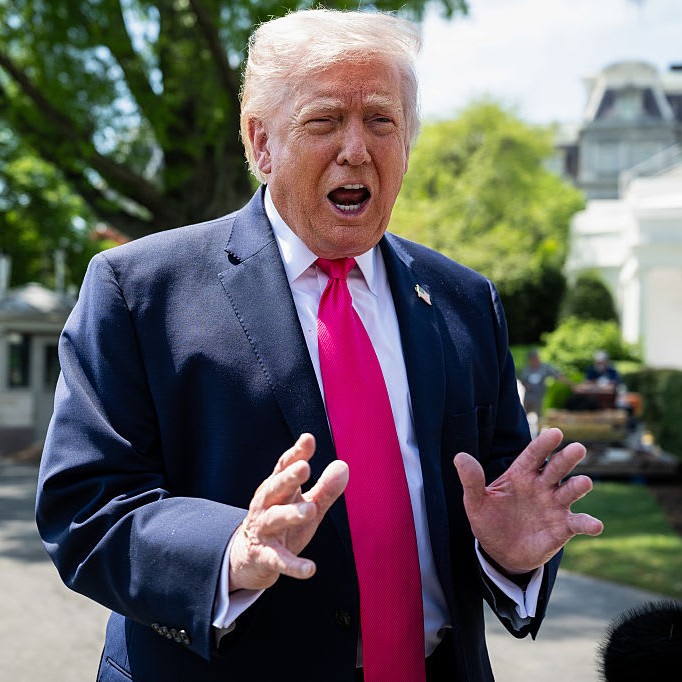
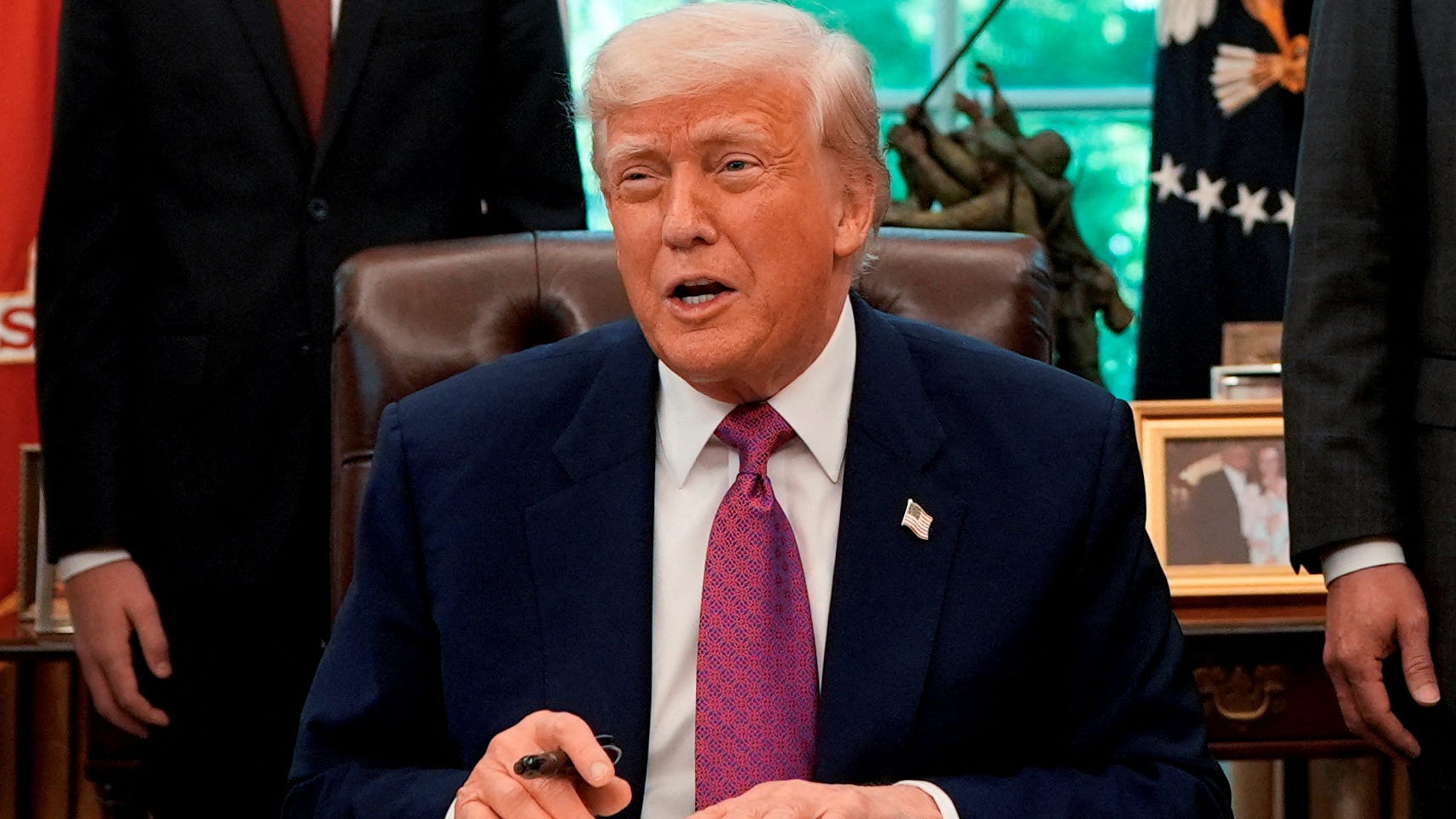
In a CBS News video dated March 16th, 2026, the network reported that President Donald Trump called on other countries to help reopen the Strait of Hormuz, a key route for oil tankers moving in and out of the Persian Gulf.
The Strait of Hormuz sits between Iran and Oman, and it is one of those map details that suddenly becomes a global power lever when shipping is disrupted. That is why Trump’s message, as described by CBS News, landed as both a security demand and a cost-sharing pitch.
The Hormuz Leverage Game
CBS News framed the moment bluntly: “President Trump is calling on other countries to help reopen the Strait of Hormuz, a narrow waterway south of Iran that’s crucial to moving oil tankers in and out of the Persian Gulf.” The network’s wording matters because it suggests urgency without laying out which coalition, rules of engagement, or timeline would govern any reopening effort.
What is not in dispute is the weight of the chokepoints. The U.S. Energy Information Administration has repeatedly described the Strait of Hormuz as the world’s most important oil transit chokepoint, a title that sends immediate market nerves jangling when tankers hesitate, insurers panic, or navies posture.
Burden Sharing, or Passing the Buck?
Trump’s ask also hits a pressure point with allies and major importers. Energy-hungry economies benefit from free-flowing Gulf oil, but naval operations, escorts, surveillance, and deterrence come with a real price tag, plus political risk when anything goes wrong.
That is the power dynamic inside the phrase “other countries.” It can mean partners stepping up, or it can mean the United States signaling that it will not be the automatic backstop without visible support, cash, or both. Either way, the public message creates leverage and targets for retaliation if tensions spike.
What Happens if Hormuz Stays Tight
If shipping through Hormuz slows or looks unreliable, the consequences do not stay local. Oil prices can jump, shipping costs can rise, and governments can find themselves answering to voters about inflation that started thousands of miles away, triggered by a waterway most people could not point to on a map.
For now, the clearest fact is the signal: a U.S. president publicly urging others to help reopen a strategic chokepoint. The next receipts to watch are formal statements from allies, any announced naval arrangements, and shipping indicators that reveal whether the strait is operating normally or under pressure.