Donald Trump keeps calling it a weapon turned inward. House Republicans keep calling it indispensable. Now the party that wants to run Washington again is stuck on a basic question: can it keep an espionage tool alive without handing Trump another talking point?
What You Should Know
Section 702 of the Foreign Intelligence Surveillance Act allows the U.S. to collect foreign intelligence from non-U.S. targets, with Americans’ communications sometimes swept up. Trump has urged Republicans to curb it, as GOP leaders weigh renewal, reforms, and vote math.
The immediate fight is over FISA’s Section 702, a surveillance authority used by the intelligence community to target non-U.S. persons abroad. The political fight is over who controls the GOP’s posture on national security: committee leadership, or the presumptive nominee who says the system was used against him.
Trump’s ‘Kill FISA’ Line Collides With a Party That Voted for It
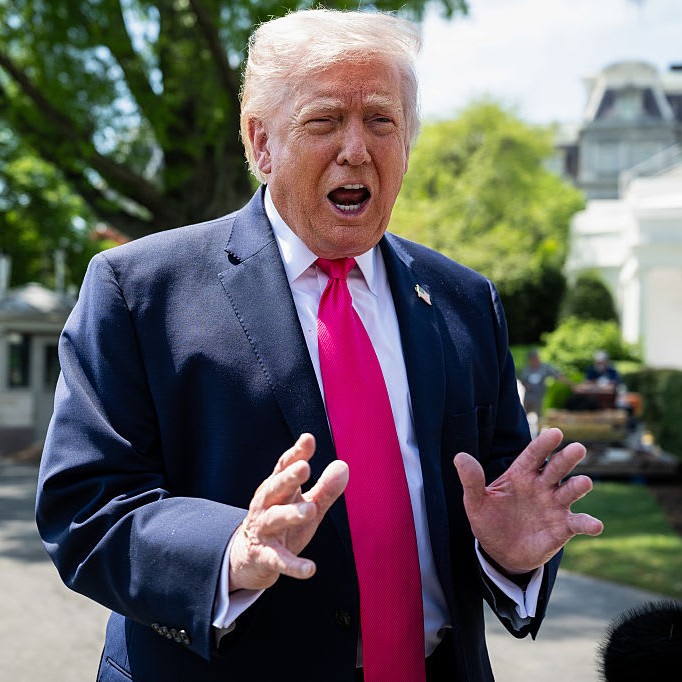
Trump has argued that FISA authorities were abused in past investigations touching his orbit, and he has encouraged Republicans to take a harder line in Congress. In one post circulated widely during the 2024 renewal fight, he wrote, “KILL FISA, IT WAS ILLEGALLY USED AGAINST ME.”
That message lands awkwardly in a party that has repeatedly backed Section 702 under both Democratic and Republican administrations. Section 702 is codified in federal law, and it has long been defended by national security officials as a core tool for tracking foreign threats, not as a shortcut for domestic spying.
The Receipts Republicans Keep Pointing to, and the Abuse Cases Critics Won’t Drop
The legal authority itself is not a mystery. Section 702, codified at 50 U.S.C. Section 1881a, permits targeted collection of communications involving foreigners overseas and sets procedures for handling incidentally collected communications involving Americans.
But critics, including civil liberties groups and some conservative lawmakers, argue the safeguards have not prevented improper queries and mission creep. The Justice Department’s inspector general, in its review of the FBI’s Crossfire Hurricane investigation, documented major problems in the FBI’s handling of FISA applications tied to a former Trump campaign adviser, feeding Trump’s larger narrative that surveillance powers can be bent toward politics.
GOP leaders, for their part, have tended to separate the 2016-era FISA controversy from the Section 702 question. Their argument is practical: if the U.S. lets 702 lapse, the government loses a pipeline of foreign intelligence collection that does not neatly replicate itself through ordinary warrants.
The Real Leverage Is the Calendar, Not the Talking Points
This is where Trump’s influence turns from rhetoric into leverage. A narrow House majority means a small bloc of GOP defectors can force leaders to choose between partnering with Democrats to pass a renewal, or risking a public failure that hands Trump proof, in his framing, that Washington protects itself first.
Watch two pressure points next: whether any bill tightens limits on FBI queries involving Americans’ data, and whether Trump treats a compromise as a win or as another betrayal. For House Republicans, the stakes are not just surveillance policy. It is who gets to define the party’s definition of security, and who pays if it cracks.
References
- The Hill: Trump Spy Powers GOP FISA 702
- Cornell Law School LII: 50 U.S. Code Section 1881a
- DOJ OIG: Review of Four FISA Applications and Other Aspects of the FBI’s Crossfire Hurricane Investigation
- Congressional Research Service: Section 702 of the Foreign Intelligence Surveillance Act: Overview and Issues for Congress