Washington loves a quiet reauthorization, the kind that happens while everyone is yelling about something else. Section 702 was not that kind of vote, once Donald Trump started treating it like a loyalty test.
What You Should Know
Section 702 of the Foreign Intelligence Surveillance Act is a surveillance authority targeting foreign targets abroad, and Congress renewed it in 2024 with changes. Trump publicly urged Republicans to oppose renewing FISA as lawmakers debated an extension.
The flashpoint is simple: Republicans spent years accusing the FBI of overreach, then found themselves being asked to extend one of the government’s most powerful spying tools. Trump, a former president and current political force, pushed the party toward “no,” even as GOP leaders argued the authority is vital for national security.
The Trump Problem for a Surveillance Vote
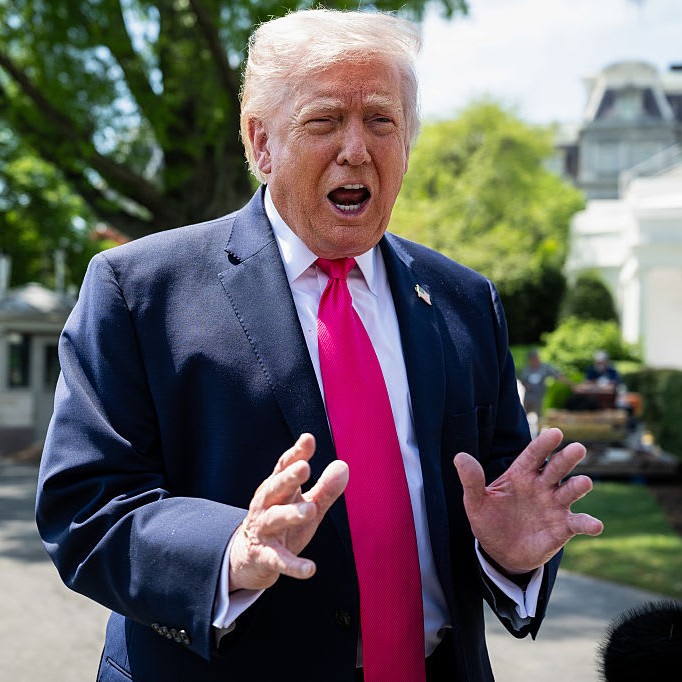
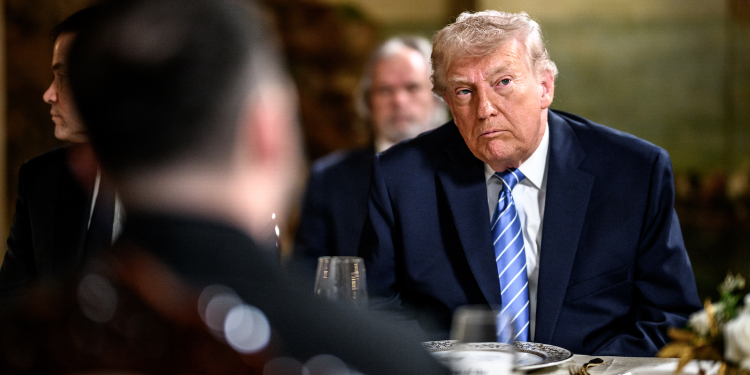
According to The Hill, Trump weighed in as Congress worked through the Section 702 fight, urging Republicans to reject the renewal effort. His message was blunt enough to fit on a bumper sticker, and loud enough to complicate leadership’s whip count: “KILL FISA.”
That’s the contradiction that kept popping up in public: the same party that campaigns on toughness against foreign threats also runs on distrust of federal law enforcement. Section 702 forced the question into the open. Is the bigger risk China and terrorism, or Washington’s own ability to point its tools inward?
Congress ultimately passed legislation to extend Section 702 through 2026, rather than let it lapse. The reauthorization debate featured proposed limits on how the FBI can search for Americans’ information, but it stopped short of the most sweeping demand from privacy hawks: a warrant requirement for many “U.S. person” queries.
What Section 702 Actually Does
Section 702, codified at 50 U.S.C. 1881a, lets the government collect foreign intelligence by targeting non-U.S. persons reasonably believed to be outside the United States. In plain terms, it is designed for foreigners abroad, but Americans’ communications can be swept up incidentally when they are talking to a target.
That incidental collection is why the program keeps colliding with domestic politics. The authority is popular with national security officials because it can produce fast intelligence. It is criticized as radioactive because it creates large pools of data that can later be searched, including by the FBI, even when the original target was overseas.
The Real Fight: Who Gets to Police the FBI
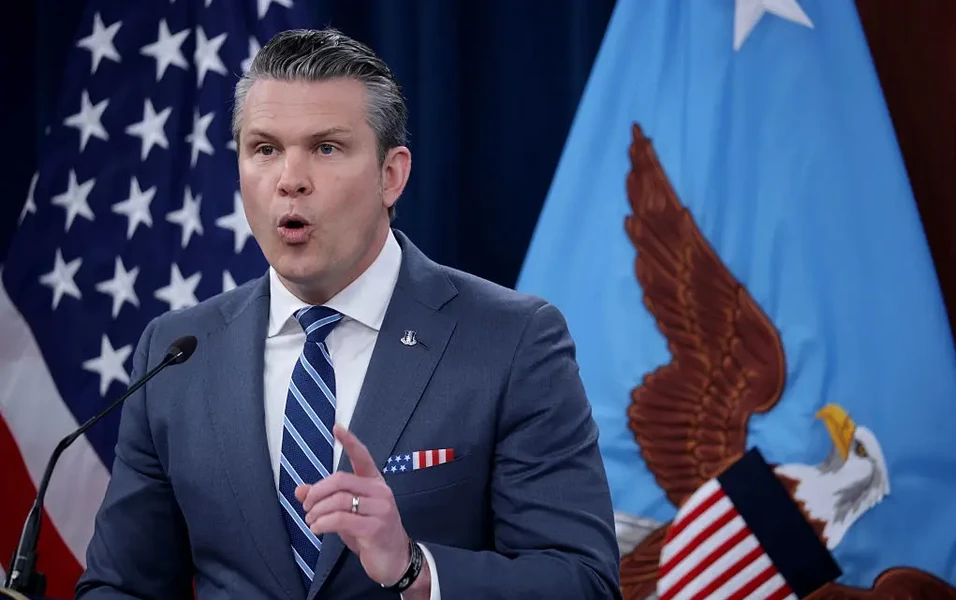
Trump’s position adds a personal and political accelerant. He has long argued that surveillance authorities were misused against him and his circle, and his allies have used that narrative to justify hardline demands on reforms. Meanwhile, intelligence leaders and many lawmakers, including Republicans, have treated Section 702 as too valuable to risk, particularly amid warnings about foreign espionage and cyber threats.
The next leverage point is timing. The current extension sets up another renewal fight before long, and the same cast will likely show up with the same incentives: agencies lobbying for broad authority, civil libertarians pushing for tighter guardrails, and Trump using the issue to measure who is with him when it matters.