Trump wants Latin America to bring troops to a cartel fight that Washington has mostly framed as policing, intelligence, and border control. The pitch came from a familiar setting, his own golf club, but it carried a not-so-country-club warning about power, sovereignty, and who gets to call the shots.
What You Should Know
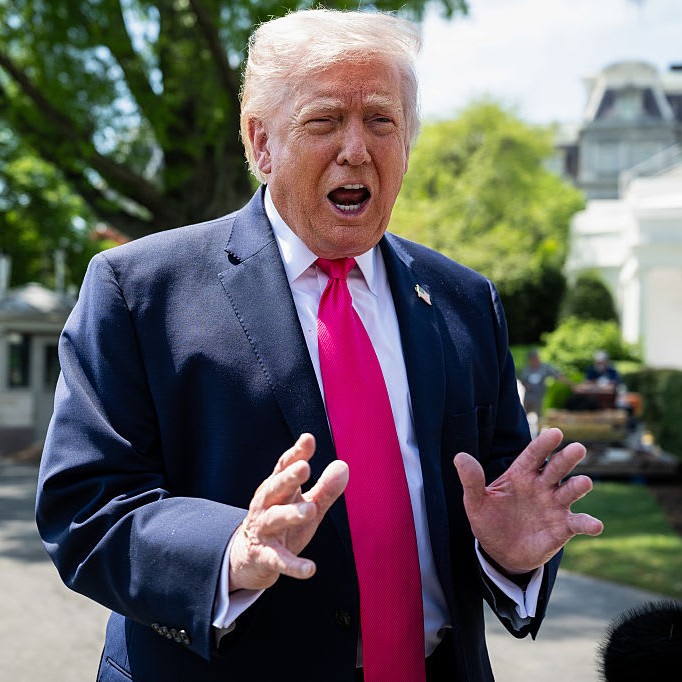
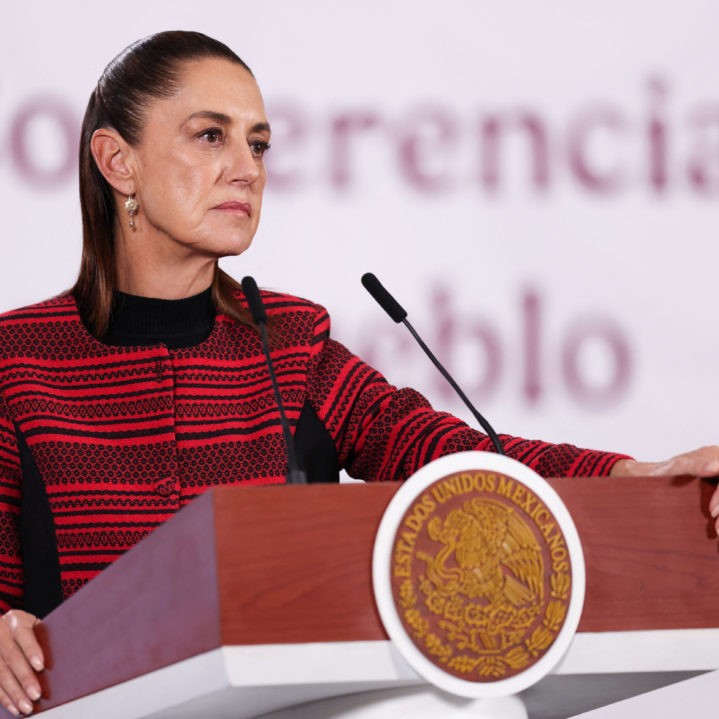
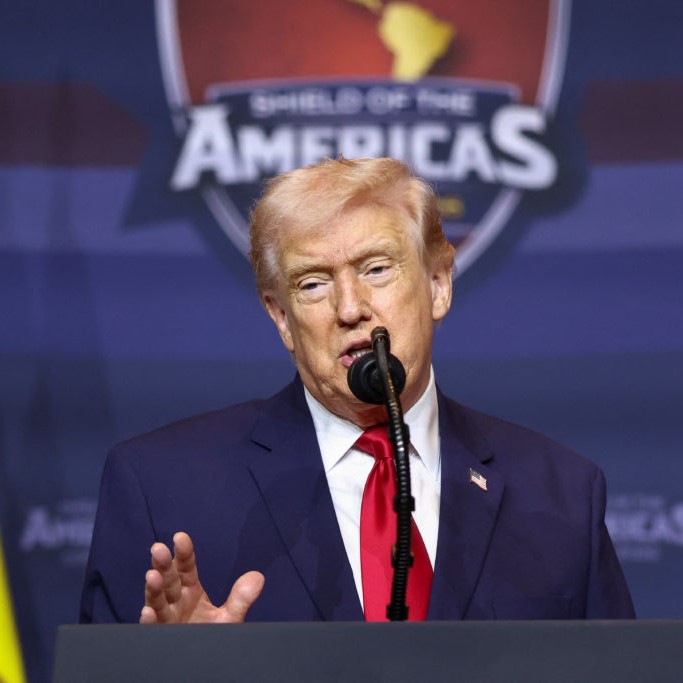
At a March 7th, 2026, summit near Miami, President Donald Trump urged Latin American leaders to use military force against drug cartels and transnational gangs. The White House billed the meeting as the “Shield of the Americas” summit, according to an AP report published by PBS NewsHour.
The gathering in Doral, Florida, put Trump face-to-face with regional leaders as his administration tries to sell a Western Hemisphere-first posture, even as multiple global crises compete for attention, according to The Associated Press.
A Summit at a Golf Club, a Military Pitch
On its face, the message was simple: treat cartels like the national security threat Trump says they are, and respond with military force. The AP report said Trump encouraged military action against drug trafficking cartels and transnational gangs, framing them as an “unacceptable threat to the hemisphere’s national security.”
That framing matters because it tries to move the cartel problem out of the criminal-justice lane and into the war-powers lane. For Latin American leaders, that can translate into domestic blowback, because militarized crackdowns have a long record of civilian harm allegations, corruption risk, and political backlash.
The Maduro Shadow and a Legal Hook
The summit also landed in the shadow of Venezuela, because the White House context, as described in the AP report, referenced a recent U.S. military operation aimed at capturing Nicolas Maduro and bringing him to the United States to face drug conspiracy charges. The difference between “wanted” and “captured” is the difference between pressure and precedent.
Maduro has been in Washington’s legal crosshairs for years. In a March 26th, 2020 announcement, the DOJ said U.S. prosecutors charged Maduro and other Venezuelan officials with narco-terrorism and drug trafficking allegations, a legal posture that gives U.S. officials a ready-made justification to talk about cartels and state actors in the same breath.
What Changes if Armies Enter the Cartel Fight
Trump’s argument is about urgency and deterrence. The counterargument is about spillover: cross-border operations, sovereignty disputes, and a question every leader in the room has to answer at home, namely, who is really commanding the mission once U.S. priorities are on the table.
Meanwhile, the economics do not stop at the border. UNODC has documented how transnational drug markets adapt quickly to enforcement pressure, shifting routes, tactics, and partnerships, which is why militarized surges often produce headline seizures and arrests alongside rapid cartel innovation. If Trump’s strategy becomes policy, the next fight will be less about whether cartels are dangerous and more about whose military, whose rules, and whose consequences follow.
References