When politicians start talking about “controlling the oil” in a war scenario, they are not just pitching toughness. They are brushing up against treaties, sanctions, and a market that can punish loose talk faster than any vote.
What You Should Know
Iran sits under extensive U.S. sanctions that target its oil trade, while international law and U.S. military doctrine draw bright lines around what an occupying force can take. Oil also moves through global chokepoints that can spike prices even without a shot being fired.
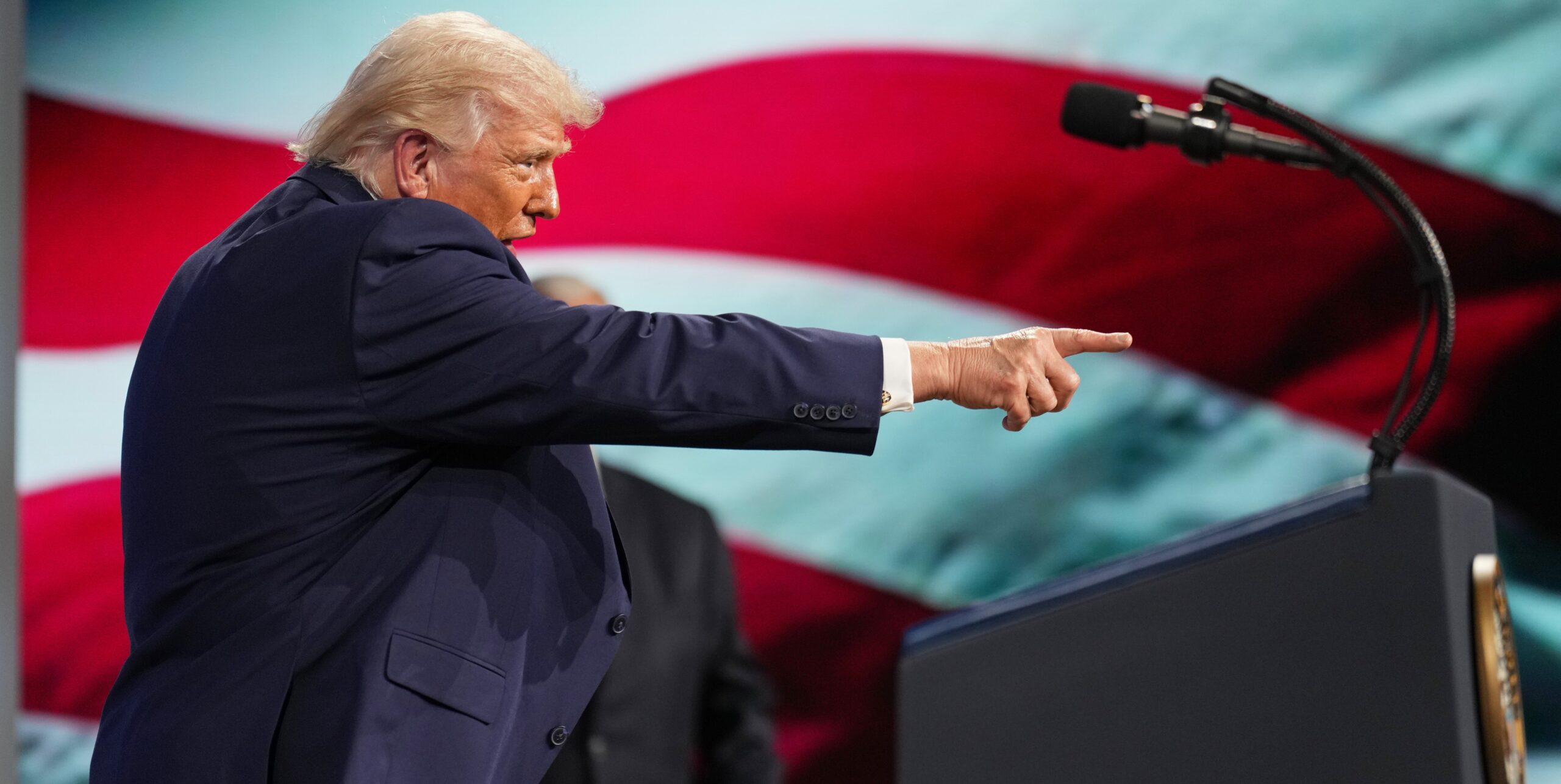
Donald Trump has repeatedly framed the Middle East conflict through a resource lens, the same instinct behind his 2019 Syria comments about keeping oil fields. The Iranian version raises a bigger question: Is this a real policy idea, or a campaign-style flex that collapses on contact with the rules?
The “Keep the Oil” Instinct Meets a Harder Target
Trump has a track record of translating military presence into economic leverage. In October 2019, discussing Syria, he said, “We’re keeping the oil.”
⛔️Trump is claiming that he is winning the war with Iran:
Let’s talk about these lies with some Key Points:
1. Iran has gained control over the Strait of Hormuz.
2. Sanctions on Iranian oil have been lifted.
3. Iran is now pursuing nuclear development.
4. US bases in the… pic.twitter.com/oaSfIET4T7
— Dr.Sam Youssef Ph.D.,M.Sc.,DPT. (@drhossamsamy65) March 30, 2026
Iran is a different animal. Its oil sector is already a sanctions battlefield, and its geographic leverage is not a cluster of fields you can guard with a few hundred troops. The stakes run through shipping lanes, insurance rates, and allies who do not automatically sign up for Washington treating oil as war spoils.
Sanctions, War Powers, and the Rules About Taking Stuff
Start with U.S. policy as written, not as riffed. The Treasury Department’s Iran sanctions program is built to choke off oil revenue, not capture it. That is a power move, but it is a financial one, enforced through banks, shipping, and secondary sanctions pressure on third countries.
Then there is the basic question of authority. Large-scale action against Iran would collide with the War Powers tug-of-war between the White House and Congress, as well as the political baggage of old authorizations written for other enemies and eras.
Finally, there is the part that tends to vanish in cable-news shorthand. The U.N. Charter sets a baseline for the use of force, including Article 2(4), which says members must “refrain in their international relations from the threat or use of force.” Even in war, U.S. doctrine acknowledges limits on what can be seized, and pillage is not a branding opportunity.
What to Watch if Rhetoric Turns Into a Plan
The most likely consequences would be economic, not military. Iran-linked tensions can rattle energy markets through the Strait of Hormuz, a critical corridor for seaborne oil, which means a president can end up owning price spikes without ever touching a barrel.
Trump extends the pause on U.S. energy strikes against Iran until April 6 while Iran and its proxies continue attacks and Israel strikes back. Physical control over the Strait of Hormuz and Bab el-Mandeb now overrides sanctions and contracts in setting global oil supply. This… pic.twitter.com/S03ZB9t6mm
— Justin James McShane (@JustinMcShane) March 27, 2026
Watch for the paper trail: legal justifications, coalition-building, and whether any proposal is framed as sanctions enforcement, maritime security, or something closer to resource control. The language will signal whether this is a message discipline or the opening bid in a much more expensive fight.