The White House wanted a room full of governors and cameras. Instead, it got a new question: when a president controls the guest list, who is the meeting really for?
What You Should Know
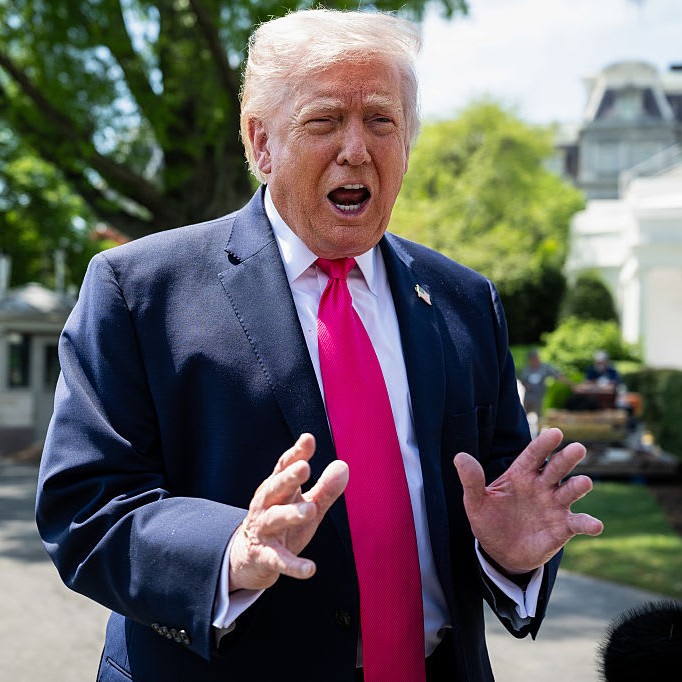
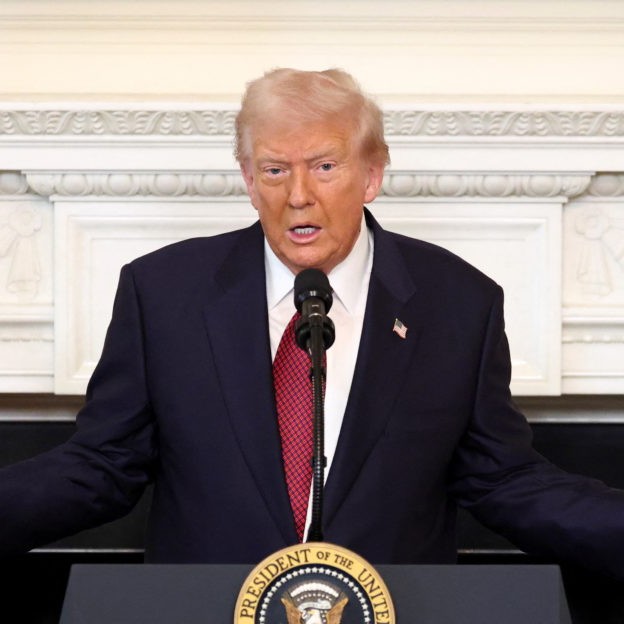
On February 20th, 2026, the National Governors Association pulled out of an annual White House gathering after President Donald Trump declined to invite Democratic Govs. Jared Polis of Colorado and Wes Moore of Maryland, according to an Associated Press report published by PBS NewsHour.
The National Governors Association, a century-plus-old bipartisan shop built to give governors collective clout in Washington, is saying it will not facilitate the event after two Democrats were left off the list. Trump, meanwhile, still planned to meet with governors at the White House, just without the group playing host.
A Bipartisan Ritual Meets a Guest List Veto
For decades, the governors’ meeting has been the kind of Washington tradition that survives precisely because it is not glamorous. Governors show up to talk disaster aid, budgets, federal rules, and the unsexy mechanics of running states. Presidents show up because governors, unlike members of Congress, can often trade in practical wins and deliver political calm.
That is the theory. The reality, on February 20th, 2026, was that the invite list became the headline.
According to the Associated Press report carried by PBS NewsHour, Trump declined to invite Polis and Moore. The National Governors Association then pulled out, arguing the move undercut one of the few remaining bipartisan gatherings in Washington.
The White House was still expected to hold a working breakfast, scheduled for 9:30 a.m. EST, per the same report. In other words, the event continued, but the referee walked off the field.
Why Polis and Moore Matter in This Particular Fight
Polis is not just any Democratic governor. He runs Colorado, a state that has become a testing ground for policy fights that ricochet nationally, from energy to public health to immigration pressures. Moore, a newer face compared with some longtime governors, leads Maryland, a state tethered to the federal government by geography, workforce, and contracts. In a normal year, both would be exactly the kind of governors a White House invites to signal, at a minimum, that the doors are open.
Instead, the message was selective access, even in a room that was supposed to be the point of contact for all states.
And when the National Governors Association refused to play along, it turned a scheduling dispute into a power dispute: Does the White House get to treat a bipartisan governors’ meeting as a reward system?
The Public Line vs. the Practical Reality
The public posture in the PBS NewsHour report is clean and short. Trump did not invite two Democrats. The National Governors Association pulled out. The White House meeting went on anyway, without the group facilitating it.
The practical reality is messier, and it is why governors care even when they do not say so on camera.
Governors depend on federal decisions constantly. FEMA aid after fires and floods. Transportation dollars. Medicaid waivers. Permitting timelines. National Guard coordination. If a president signals that access is conditional, governors hear the subtext immediately, even if they keep their public remarks measured.
At the same time, presidents want governors in the room because governors can do what Congress often will not: move quickly, cut deals, and deliver visible results. That is why this kind of gathering exists in the first place. It is supposed to be the workbench, not the stage.
Once the association pulled out, the workbench looked a lot more like a stage.
Polis Tries to Shrink the Drama, but the Stakes Stay Big
Polis, in a brief interview described in the Associated Press report, did not pretend he could change Trump’s mind. He also did not pretend the gathering was meaningless. Instead, he leaned into the governor-to-governor point of the trip, meeting with colleagues anyway while in Washington.
Here is how Polis put it, according to the report: “I’ve spent quality time with my colleagues this morning and really learning from one another and taking best practices that Republican or Democratic governors have launched in their state. It’s really what these meetings are about.”
It is a classic governors’ line, and it is not wrong. Governors do swap playbooks, especially on issues where ideology tends to bow to logistics, like staffing rural hospitals, managing prisons, rebuilding roads, and handling emergency management.
But the quote also highlights the tension. Polis is describing a bipartisan, nuts-and-bolts governors’ culture. The White House move, and the National Governors Association’s response, point to a different culture: access as a lever.
What the Governors Group Is Protecting
The National Governors Association is not a protest movement. It is an institutional creature, built for policy memos, closed-door briefings, and message discipline. Its leverage comes from being a trusted middleman between 50 state executives and the federal government.
That is why the pullout matters. The association is effectively saying: if the White House wants to turn a bipartisan meeting into a selective invitation, it can do it, but it cannot do it with the association’s branding and buy-in.
It is a small act, but in Washington, small acts by institutions are how boundaries get set. Or not set.
What Trump Gains, and What He Risks
From Trump’s perspective, the upside of a hard-line guest list is obvious. It signals control. It tells allies he is willing to draw lines, even in traditionally bipartisan spaces. It also forces the broader political ecosystem to talk about his terms, his invitations, and his definition of who counts.
The risk is also obvious. Governors are not backbenchers. They are statewide executives with their own brands, budgets, emergency powers, and in some states, presidential ambitions. Freezing out two prominent Democrats might energize Trump’s base. It can also harden governors into a more adversarial posture when they go home and face federal negotiations that cannot be solved with a photo op.
There is also a reputational risk for the White House if the governors’ meeting becomes a recurring fight rather than a working channel. The whole selling point of bringing governors in is to show the country that basic governance still functions somewhere.
The Optics of a Meeting Without Its Usual Host
A working breakfast can still happen. Governors can still attend. Staff can still circulate briefing books. But the absence of the National Governors Association changes the optics in a way that is hard to reverse.
Instead of a bipartisan forum hosted by a governors’ institution, it becomes a White House event controlled by the White House. That may be exactly what the president wants. It may also be exactly why the association stepped away.
Either way, the governor-to-president dynamic is now out in the open: governors want access, presidents want buy-in, and the invite list is where those wants collide.
What to Watch Next
The next test is not whether governors keep meeting. They will. The test is whether the National Governors Association and the White House can rebuild the premise of the gathering, which is that the meeting represents the states broadly, not the president’s preferred list.
Watch for three tells.
- Whether the association offers a revised format that protects bipartisan participation, or whether it simply keeps a distance.
- Whether other governors, including Republicans who value the association’s role, push quietly for a return to the old model.
- Whether the White House turns future governors’ engagements into invite-only loyalty theater, or treats this flare-up as a one-off.
Because once a bipartisan ritual becomes a guest list fight, every future invite becomes part of the story.