If a government shutdown hits the Department of Homeland Security, the first panic is not on Capitol Hill. It is at the airport, where passengers still expect lines to move, bags to get screened, and security to look normal.
What You Should Know
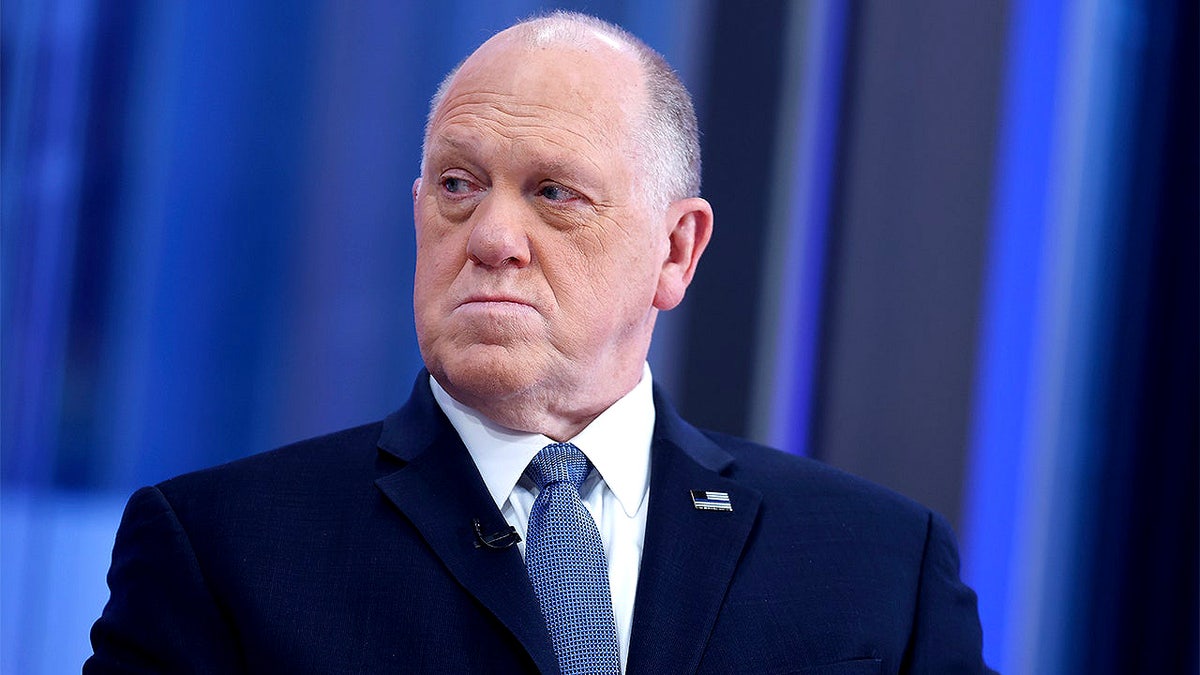
The Hill reported that former acting ICE director Tom Homan has discussed using ICE resources to help cover airport security functions if a DHS shutdown squeezes staffing. A DHS shutdown can disrupt pay, planning, and morale even when frontline operations continue.
Homan, a hardline immigration figure closely associated with enforcement-first politics, is stepping into a lane most travelers file under TSA, not ICE. That overlap is the point, and it is also the problem.
The Homan Pitch and the Shutdown Clock
According to The Hill, Homan has floated an idea that effectively treats ICE as a surge workforce during a shutdown crunch. The concept is simple: if airport screening and related security staffing get stressed, pull from DHS elsewhere.
In normal times, TSA and ICE do different jobs with different training, authorities, and public expectations. TSA screeners manage checkpoints and baggage screening. ICE focuses on immigration enforcement and investigations, a mission that carries its own politics and legal constraints.
A shutdown does not always mean airports go dark. Essential employees can be required to work even if pay is delayed, and that dynamic has repeatedly become a staffing and retention pressure point. Reuters and The Associated Press have both documented how shutdown-driven pay uncertainty can ripple through federal workforces that cannot simply pause operations.
That is where the Homan idea lands: not as a technical fix, but as a power move in a familiar Washington ritual. When lawmakers use shutdown brinkmanship, the public-facing agencies become the proof of pain, and the pain becomes the message.
Security vs. Immigration, and Who Gets the Blame
Blending TSA-adjacent functions with ICE manpower is also a messaging gamble. To supporters, it reads like toughness and flexibility. To critics, it risks turning routine travel security into an immigration symbol, inviting lawsuits, protests, and a new round of oversight questions.
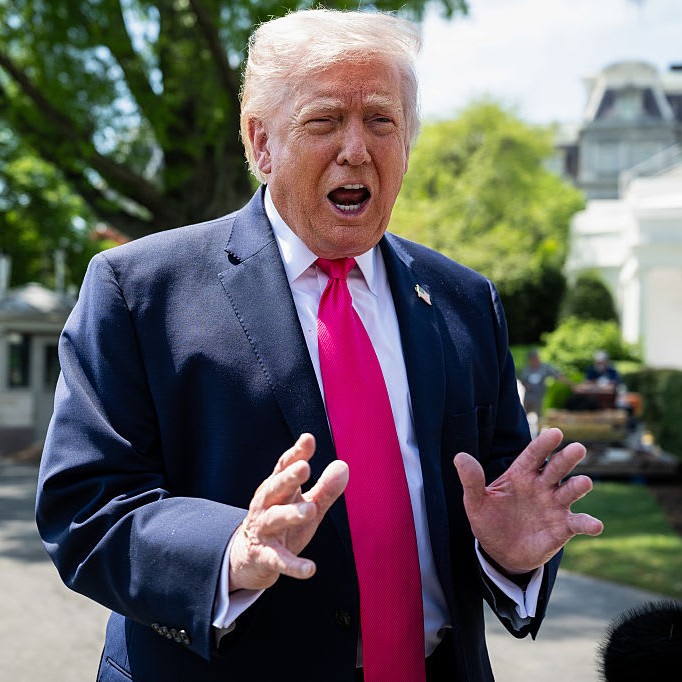
The deeper contradiction is that shutdown politics often come packaged as strength. During the 2018 standoff that produced the longest shutdown in U.S. history, President Trump declared, “I am proud to shut down the government for border security.” The line drew attention because it put the tactic on the record: disruption was not an accident. It was leverage.
If shutdown threats return, watch for two tells: whether DHS leaders publicly draw bright lines between agencies’ roles, and whether lawmakers who demand maximum security accept the operational chaos that shutdown brinkmanship can trigger. Airports do not negotiate. They just fill up.