The Senate’s top Republican just drew a bright line against President Trump’s newest election-power pitch. The twist is what he endorsed right after.
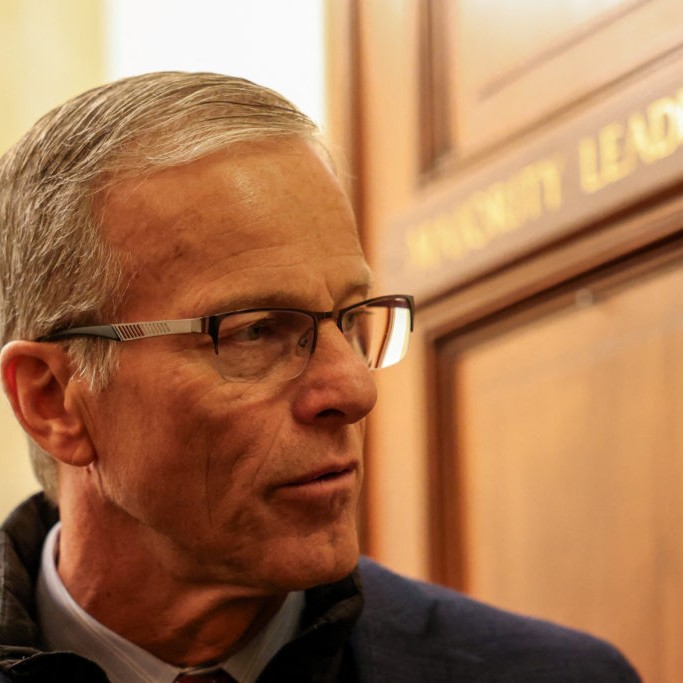
Senate Majority Leader John Thune, a South Dakota Republican who now sits at the choke point of the GOP’s Senate agenda, told reporters he is not buying Trump’s call to “nationalize” elections. Then Thune leaned into a different election fight that still puts Washington deeper in the states’ business.
Thune’s ‘No’ Lands in a Trump-Sized Power Play
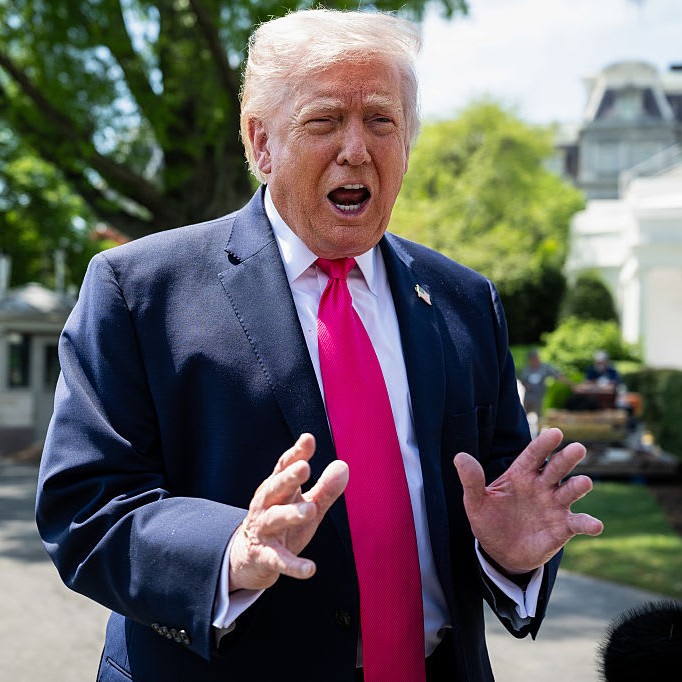
Trump said in a podcast interview that Republicans should “take over” elections in as many as 15 states. It is the kind of line that instantly raises the real question in Washington, which is not whether it will happen tomorrow, but whether key Republicans will treat it as a real governing plan or just another loyalty test.
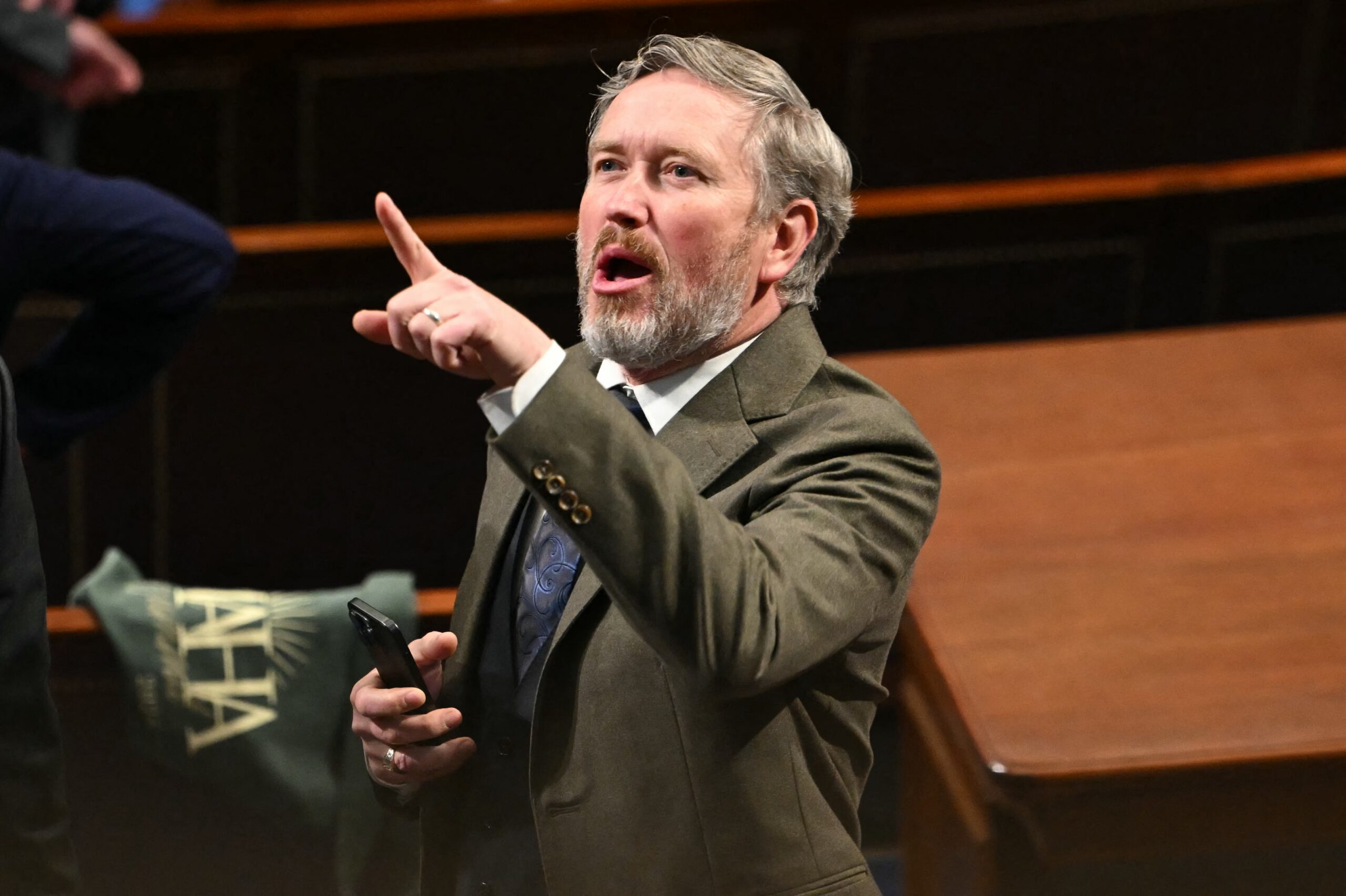
Thune did not leave much wiggle room. Speaking to reporters, he said, “I’m not in favor of federalizing elections,” and pointed to constitutional requirements that states conduct their own elections.
That answer matters because Thune is not a talk-show senator. He controls floor time, he counts votes, and he decides which bills get oxygen. If Trump is looking for a fast track to a national election takeover, the Senate majority leader just tossed a roadblock on the tracks.
The Contradiction: Decentralize the System, Centralize the Rules
Thune followed his rejection with a neat-sounding principle. “I’m a big believer in decentralizing and distributing power,” he said.
Then came the policy tell. Thune said he supports the SAVE Act, legislation that would require proof of citizenship when registering to vote in federal elections. That is not a state-house resolution. It is Washington writing a stricter front-door rule for federal voter registration nationwide.
The political tension is obvious. Thune is publicly swatting away Trump’s maximalist “take over” framing while backing a bill that still expands federal leverage over how states verify voters for federal contests.
In practical terms, it is the difference between saying Washington should not run your polling place and saying Washington should decide what paperwork you need before you can get on the rolls for a federal ballot.
What the Constitution Actually Says, and Why Thune Is Leaning on It
Election administration in the United States is famously decentralized, with states and localities running the mechanics. The Constitution also gives Congress authority to regulate the “Times, Places, and Manner” of federal elections, a clause that has fueled generations of fights over federal standards.
That split creates two lanes for politicians who want to sound like guardians of federalism while still pushing national rules:
- Lane 1: Argue that states should run elections, full stop, and resist any Washington takeover rhetoric.
- Lane 2: Support national requirements for federal elections, and argue they are permissible guardrails rather than a takeover.
Thune is trying to occupy both lanes at once. His quotes put him in Lane 1. His SAVE Act support puts him in Lane 2.
Why Trump Is Making This a Republican Problem, Not Just a Democratic Talking Point
Trump’s comment about “take over” elections is a rhetorical sledgehammer. It forces Republicans to answer a simple question in public: Do you agree that Washington should seize election control from states?
Thune’s answer suggests Senate leadership is not eager to own that exact phrase. But the SAVE Act position suggests leadership is still happy to own the broader project of tightening voting requirements nationwide.
That is the power dynamic inside the party right now. Trump pushes the boundary, using maximalist language. Leadership tries to translate it into legislation that can be defended in a hearing, survive in court, and be explained to swing-state voters.
Thune’s move reads like an attempt to keep control of the translation.
The SAVE Act Runs Into the Senate’s Math Wall
Even if Republicans line up behind proof-of-citizenship rules, the Senate is not built for simple majorities on contentious election bills. The modern filibuster requires 60 votes to move most legislation, which means the majority party usually needs crossover support.
That is not a detail. It is the gate. According to PBS NewsHour’s reporting, the House has passed the bill, but Senate Republicans have not been able to overcome the 60-vote threshold required by the Senate’s filibuster rules.
So, the immediate stakes are not just ideological. They are tactical. Trump is pushing a broad demand. Thune is signaling limits on the broad demand while backing a narrower bill that still may not have the votes.
Why This Fight Is Not Going Away
Election policy is a repeat battleground because it is where raw power meets procedure. Who can vote, how they register, what counts, who audits, and who certifies are not academic questions. They decide who keeps power.
That is why the public-facing messages often clash with the legislative details:
- Trump talks about a national “take over” in multiple states, a phrase that sounds like executive muscle.
- Thune says he is against “federalizing elections,” a phrase that sounds like constitutional restraint.
- Thune supports a federal proof-of-citizenship requirement, a policy choice that expands federal standards for federal voter registration.
Those are not three unrelated things. They are three ways of competing for control over the same political terrain.
What to Watch Next
First, watch whether Trump keeps pressing the “nationalize” language, or whether allies repackage it into something that sounds more like a federal standard-setting push.
Second, watch Thune’s next procedural choices. Support is easy. Scheduling is power. If the SAVE Act is a priority, the Senate will have to decide whether it is worth floor time, amendments, and a public vote count that could expose internal divisions.
Third, watch for how often constitutional arguments get deployed as both shield and sword. In election politics, the Constitution is frequently cited as a stopping sign. It is also cited as a green light.
For now, Thune has delivered a rare, clean quote that boxes in a sitting president of his own party. The bigger story is whether that boundary holds once the legislation starts moving.