

Airports are built for one thing: moving people. That is why any plan that adds immigration enforcement to the concourse is not just a staffing tweak. It is a power move that forces TSA, DHS, airlines, and passengers into the same high-stakes corridor.
What You Should Know
ICE, TSA, and CBP all operate under DHS, but they have different missions and legal authorities at airports. Expanding ICE presence in domestic terminals would raise questions about scope, coordination with local police, and how travel screening is kept separate from immigration enforcement.
The idea of putting more ICE agents in airports keeps resurfacing in political messaging around border security, and it lands in a place where Americans have almost no choice but to show up, comply with rules, and hand over identification.
The Airport Power Play
Airports already have federal enforcement. CBP controls passport inspection and customs at international arrivals, and federal air marshals and TSA focus on aviation security. ICE, meanwhile, is best known for interior immigration enforcement and investigations, which can include arrests away from the border.
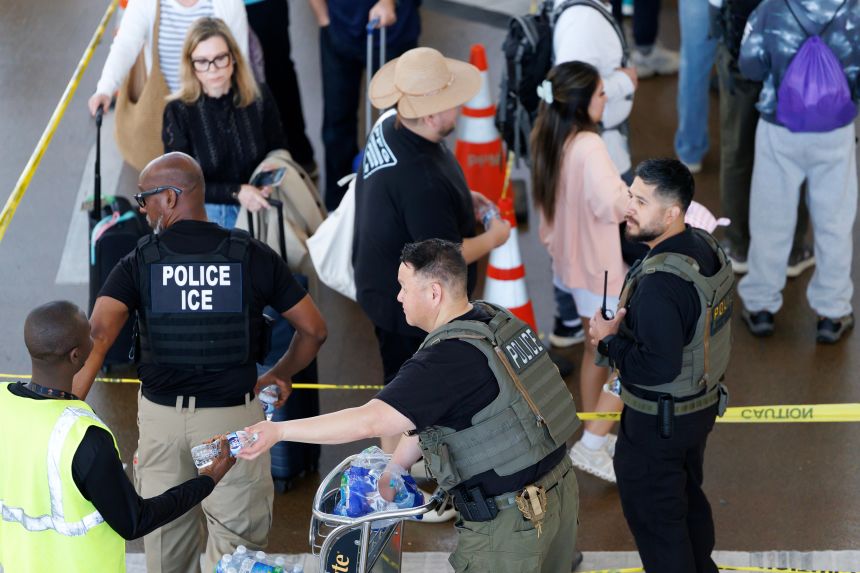
So what changes if ICE becomes a more visible presence near gates and checkpoints? The immediate consequence is not theoretical. It is the relocation of enforcement from targeted investigations to a public, high-throughput setting, where a missed flight can serve as the leverage point.
DHS is the umbrella, but it is not one single machine. TSA is built to get passengers screened and moving, and ICE is built to identify, detain, and remove certain noncitizens under immigration law. Put those priorities side by side, and the friction point becomes obvious: speed and flow versus stops and holds.
That tension is also political gold. Immigration hawks get a highly visible display of enforcement. Critics get a fresh argument that routine travel is turning into a dragnet. Airlines and airport operators, stuck in the middle, face operational headaches if normal passenger volume starts to turn into enforcement bottlenecks.
What the Law Actually Allows
ICE agents have the authority to make arrests under federal law in certain circumstances, but airports are not a legal vacuum. They are controlled spaces with layers of local police, airport authorities, and federal agencies, plus rules about secured areas and access.
TSA’s own framing is blunt about its lane. On its official site, TSA says its mission is “to protect the nation’s transportation systems to ensure freedom of movement for people and commerce.” The more immigration enforcement becomes intertwined with the basic act of getting to a gate, the more that mission statement becomes a measuring stick for any new directive.
What Happens Next
Watch for signs of coordination orders inside DHS, including how TSA checkpoint procedures are described, how airports handle referrals to law enforcement, and whether CBP and ICE roles are being blurred in public explanations. If a policy shift appears, the next battleground is likely to be oversight and litigation, because airports create paper trails fast.
The airport is a rare place where government authority is already normalized, which is exactly why expanding enforcement there is so tempting. It is also why any change, even a quiet one, becomes hard to hide once travelers start comparing notes.