


Washington got a new face at the Department of Homeland Security, and instantly, both sides tried to spin it as either a climbdown or a reset. The less glamorous details, budgets, staffing, detention space, point in a different direction.
What You Should Know
Markwayne Mullin was sworn in as DHS secretary after Kristi Noem’s departure, as the Trump administration continues pursuing a mass-deportation push. A shutdown fight has centered on ICE tactics, including whether officers can keep wearing masks during operations.
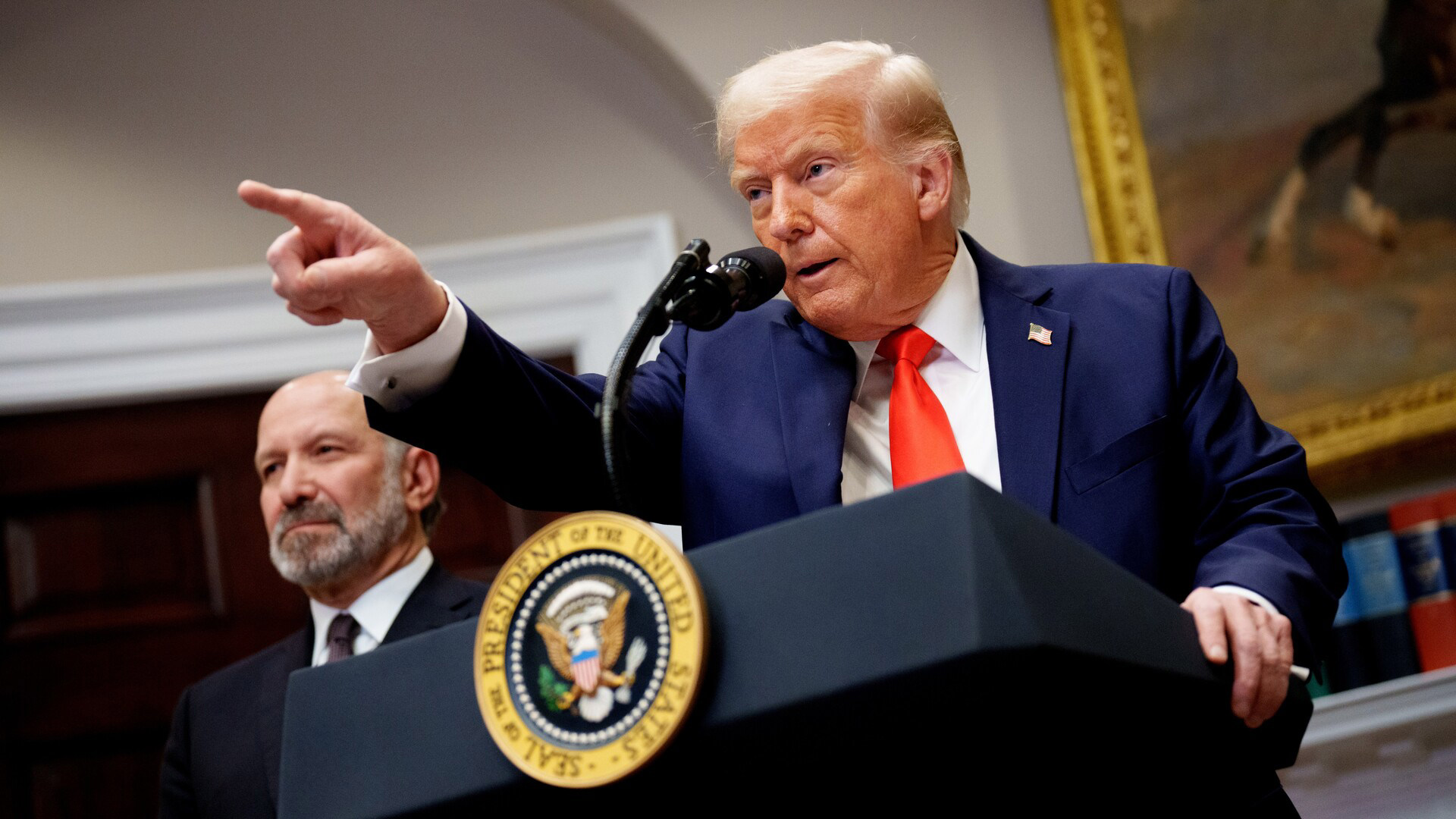
Mullin, a former lawmaker who built a tough-guy reputation, opened his tenure by trying on a softer uniform. In his Oval Office remarks, he framed DHS as a color-blind shield, not a partisan weapon.
“I don’t care what color your state is. I don’t care if you’re red or you’re blue. My job is to be secretary of Homeland and to protect everybody the same.”
A Calmer Script, the Same Target
The immediate political read was predictable. Some of the administration’s immigration hard-liners took the change at the top as a sign the White House was losing its appetite for confrontation, while some opponents saw the swap as proof public resistance can slow federal power.
But the stated goal described in The Atlantic is blunt: remove 1 million people a year, a target the outlet said was written into law by the One Big Beautiful Bill Act. The Atlantic also reported that ICE completed about 400,000 deportations last year under Noem, and that DHS received $170 billion in additional funding that expands enforcement capacity regardless of who holds the title.
Shutdown Leverage and the Mask Dispute
The other tell is where the leverage fight moved. The Atlantic reported that, since Valentine’s Day, parts of DHS, including the Transportation Security Administration, were shut down amid a dispute over ICE tactics, and that senators later pushed a funding deal that covered the department except ICE and Border Patrol.
Even there, the argument was less about stopping deportations than about how they are carried out and how visible the agents are while doing it. The Atlantic framed the core dispute as whether ICE officers can continue to wear masks during enforcement actions, even as Congress has already funded the machinery driving arrests and removals.
Quiet Power, Loud Consequences
That machinery is not subtle on paper. The Atlantic described a growing deportation apparatus that includes additional aircraft, warehouse conversions into large detention sites, new hiring and training, expanded partnerships with local law enforcement, and court wins that keep more immigrants in detention while their cases proceed.
Mullin has also signaled he wants DHS out of the headlines, a posture associated with Tom Homan, the White House border czar, in The Atlantic’s account. If the operation gets quieter while the infrastructure grows, the next measuring stick will be numbers, and the next battleground will be oversight, including whether masked enforcement becomes the new symbol of how this campaign is sold.