

A single reported phrase, “48 hours,” can do a lot of work in geopolitics, especially when it gets paired with the Strait of Hormuz, the waterway that turns speeches into shipping risk.
What You Should Know
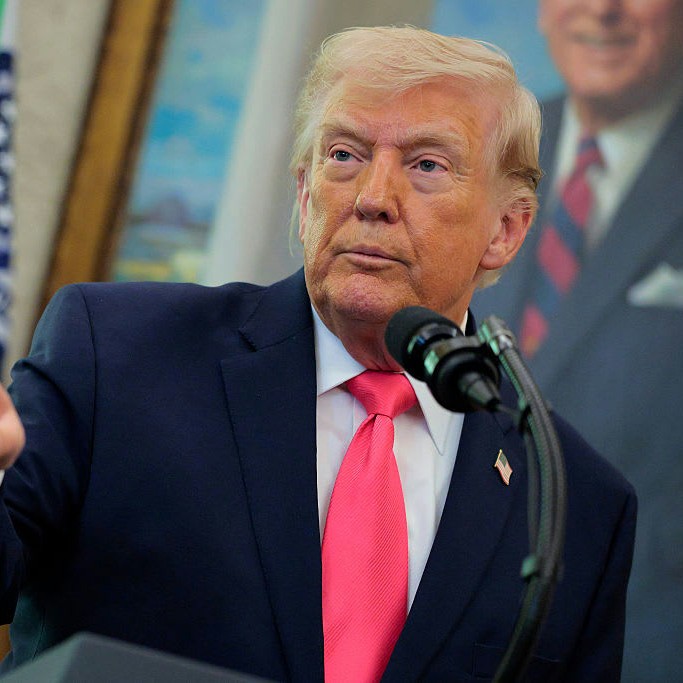
Axios reported March 22nd, 2026, that former President Donald Trump discussed a 48-hour ultimatum toward Iran in the context of the Strait of Hormuz. The report reignited attention on a maritime chokepoint central to global oil and shipping.
The basic power dynamic is simple. Iran sits next to a narrow exit route for Persian Gulf energy exports, the U.S. Navy has spent decades signaling it will keep that route open, and politicians can score points by sounding tougher than the next guy.
Why the Strait Matters
The Strait of Hormuz is not a theoretical map point. According to the U.S. Energy Information Administration, it is the world’s most important oil transit chokepoint, with massive volumes of petroleum moving through it every day.
That is why the market can react to rhetoric even before a single ship changes course. A threat to disrupt traffic can raise insurance costs, complicate scheduling, and push governments to posture, all without a formal blockade.
The U.S. security promise in the region has also been stated in blunt, historical terms. In a January 23rd, 1980, State of the Union address, President Jimmy Carter said, “An attempt by any outside force to gain control of the Persian Gulf region will be regarded as an assault on the vital interests of the United States of America, and such an assault will be repelled by any means necessary, including military force.”
The Politics of a Threat
Axios’ framing, a time-boxed ultimatum tied to Hormuz, lands in a familiar gap between campaign-style certainty and operational reality. It is easy to declare deadlines, and it is harder to control what happens after an adversary calls the bluff, or a skittish market front-runs the worst-case scenario.
It also sets up a credibility test. If the report drives headlines without producing a clear, on-paper policy, critics can call it performative, while supporters can call it deterrence, and both sides can point to the same sentence as proof.
Meanwhile, Iran has repeatedly been at the center of Hormuz tensions over the years, and the strait’s geography keeps the leverage asymmetric. The waterway is narrow, heavily trafficked, and close enough to shore that even limited disruption can create outsized consequences.
What to Watch Next
Watch for whether the ultimatum talk turns into a formal statement, a specific military posture signal, or a diplomatic channel message that can be measured against events. The Strait of Hormuz does not need a war to matter; it only needs doubt.