

In Washington, the loudest Iran talk is usually about missiles, nuclear timelines, and red lines. Quietly, the scarier question is logistical: If a crisis spirals, what happens to the one piece of infrastructure that keeps Iran’s oil money moving?
What You Should Know
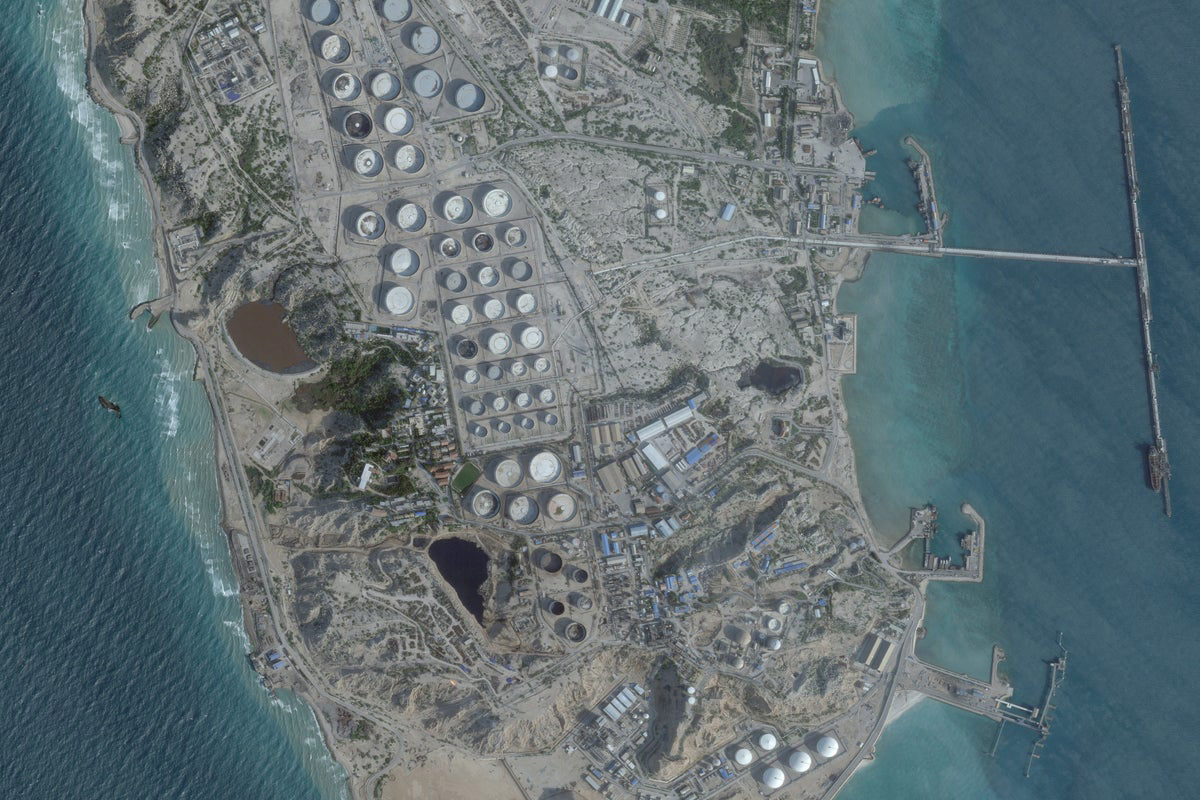
Kharg Island is a major hub for Iran’s crude oil exports, and it has long been viewed as a strategic pressure point. Any serious escalation around Iran can collide with energy-market risk, sanctions policy, and US military planning.
That is why Kharg Island, a small island in the Persian Gulf with outsized economic weight, keeps showing up in war-gaming, sanctions debates, and campaign-era chest-thumping. The island is not famous in American politics, but it is familiar to people who track Iran’s funding of the state.
Why Kharg Island Shows Up in War Planning
According to the U.S. Energy Information Administration, Iran’s oil exports flow through a limited set of chokepoints and facilities, and Kharg Island is repeatedly identified as a key node in that system. In any confrontation, that makes it a tempting target and a terrifying liability, depending on which side you are on.
Encyclopaedia Britannica describes Kharg Island as an important Iranian oil terminal, which is the polite way of saying the island has been built up to do one job at scale. When that job gets interrupted, the shockwave is not just local. It can hit shipping calculations, insurance pricing, and diplomatic leverage all at once.
Trump’s Deterrence Problem, in One Sentence
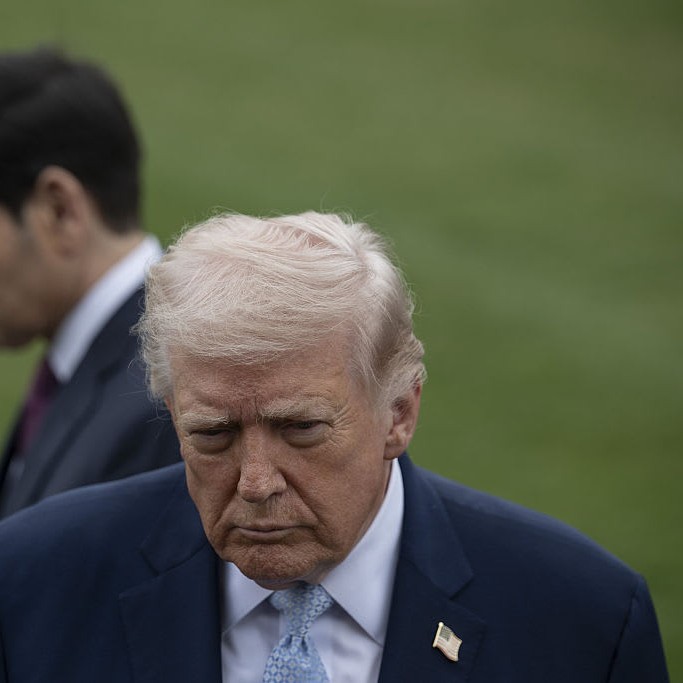
Donald Trump has spent years selling a brand of deterrence that mixes unpredictability with maximalist threats. However, his own Iran record also includes a highly publicized, last-minute brake pull, which adversaries and allies alike have studied for clues.
After Iran shot down a US drone in 2019, Trump said he called off a retaliatory strike because “I didn’t think it was proportionate.” That single line, repeated across news coverage at the time, is still a Rorschach test in foreign-policy circles: restraint to some, hesitation to others.
The contradiction matters because targeting an oil-export hub is not a clean, isolated military move. It is a signal to Tehran, a bet on the control of escalation, and a message to every country watching fuel prices. It also invites payback, not necessarily in the same arena or at the same time.
Sanctions, Oil, and the Real Pressure Points
US sanctions are designed to squeeze Iran’s revenue without firing a shot, and the U.S. Department of the Treasury’s Iran sanctions program outlines how Washington seeks to throttle access to the financial system and punish certain transactions. The strategic problem is that sanctions pressure and military pressure do not always point in the same direction, especially when the global oil supply is tight.
Kharg Island sits right in that overlap, where enforcement, energy markets, and military signaling collide. If a future standoff turns into a credibility contest, the island’s role in export capacity becomes less a geography quiz and more a test of how far each side is willing to go, and what they are willing to risk to prove it.
What to watch is not just rhetoric, but the paper trail: sanctions designations, naval posture, and the language officials use about shipping security in the Gulf. That is usually where the real escalation starts, long before the headlines catch up.