

What You Should Know
U.S. Customs and Border Protection posts monthly data on Southwest border encounters. Separately, immigration court backlogs have grown, according to TRAC at Syracuse University. The Supreme Court ruled in 2022 that the Biden administration could end the Trump-era “Remain in Mexico” program.
The framing war is not new, but it is getting sharper. A 2020 opinion essay in The Hill accused major outlets of downplaying enforcement by leaning on softer, character-driven coverage. That complaint still echoes whenever border footage goes viral, or when a new set of numbers drops.
The Framing Fight
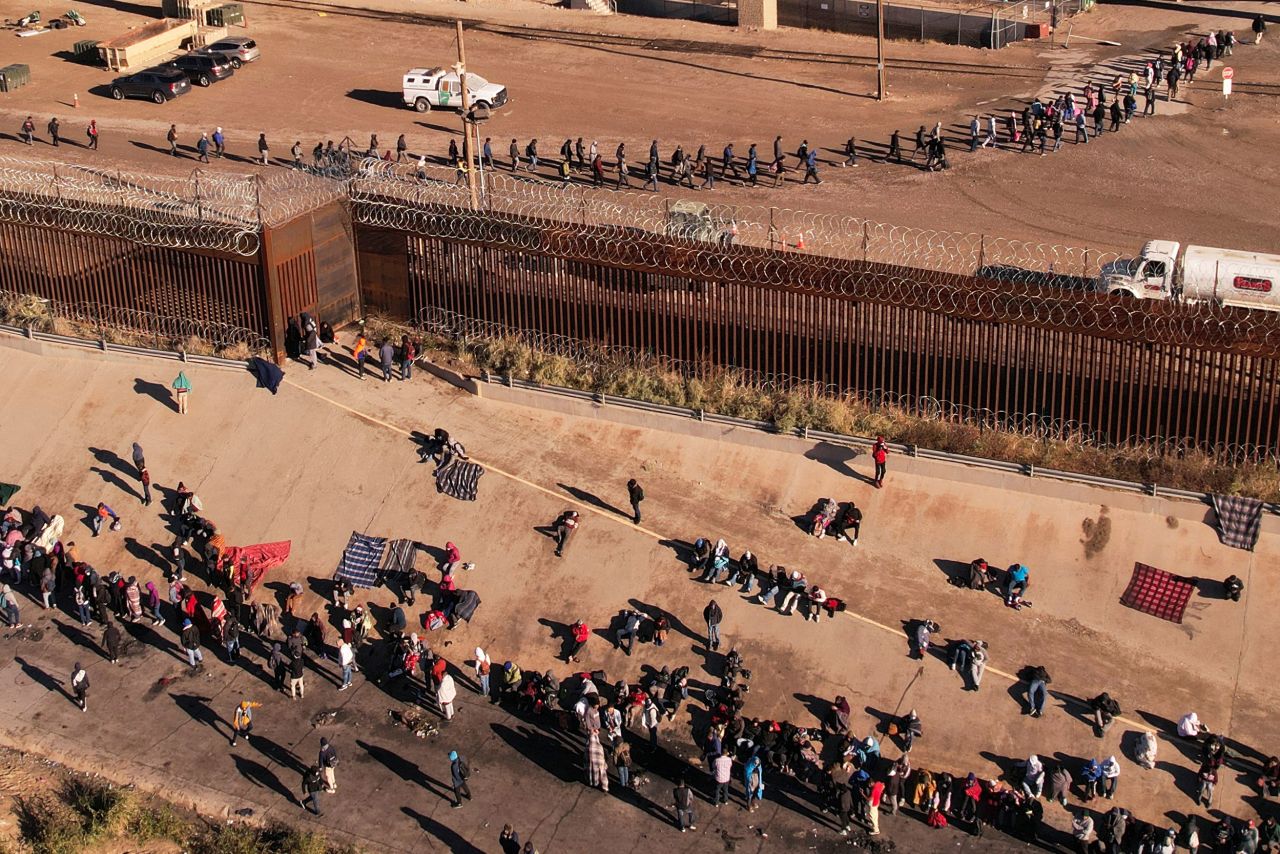
Human stories do something a policy memo cannot. A single image of a family in distress can reshape public pressure faster than any DHS chart, and it gives politicians, activists, and cable panels something to argue over in real time.
Enforcement hawks say that coverage choices can turn illegal crossings into a sympathetic storyline, while underplaying the downstream costs for cities, schools, and budgets. Advocates counter that enforcement-first messaging can turn complicated asylum claims into a numbers-only problem, while skipping the conditions that drive migration in the first place.
Receipts vs Anecdotes
The receipts exist, but they are not always the headline. CBP publishes encounter statistics that can show major swings, as well as the basic reality that the government is documenting, processing, and removing people within a legal framework that changes with each administration and court ruling.
Then there is the bottleneck nobody can film. TRAC’s tracking of immigration court data has repeatedly highlighted how a growing backlog stretches cases across months or years, which changes the incentives for migrants, overwhelms legal aid, and leaves local officials stuck planning around uncertainty.
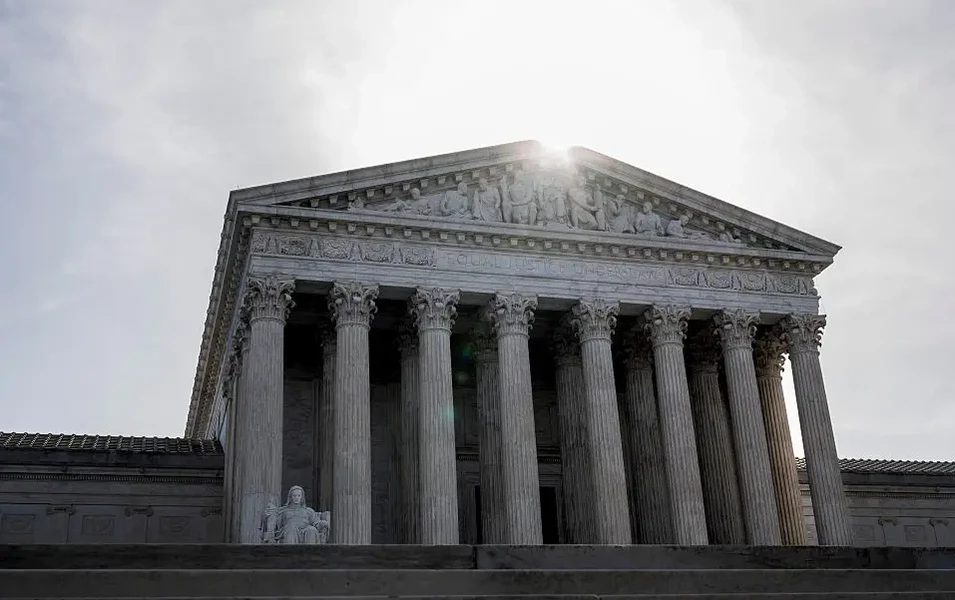
Courts add another layer of whiplash, and they do it in legal language, not viral clips. In its June 30th, 2022, decision in Biden v. Texas, the Supreme Court wrote, “The judgment of the Court of Appeals for the Fifth Circuit is reversed.” For media consumers, the takeaway is not just who won that day, but how much of “border policy” is actually statutory discretion, litigation timing, and compliance mechanics.
What Happens Next
Watch the mismatch between the camera story and the paperwork story. The next big fight is likely to be less about whether coverage is sympathetic and more about whether it reflects what the government is counting, what it is not counting, and how quickly the system can legally move people through.
At the border, the lens can set the mood, and the ledger can set the limits.