

Oil traders can argue about politics all day, but they do not argue with bottlenecks. The real question now is whether the Strait of Hormuz is a brief choke point or the start of a much more expensive spring for everyone who buys fuel.
What You Should Know
Oil benchmarks rose sharply as the Iran war threatened crude and LNG flows through the Strait of Hormuz, a route that normally carries about 20% of global oil shipments. U.S. gasoline and diesel prices also moved higher, according to GasBuddy.
By March 8th, 2026, the price action had a clear villain, the waterway, and a clear victim, anyone tied to energy costs. West Texas Intermediate, the U.S. benchmark, jumped to $86.57 a barrel, while Brent rose to $89.44, according to FactSet data cited by CBS News.
The Chokepoint That Moves Markets
The Strait of Hormuz is not just a map label. It is the corridor between the Persian Gulf and open water, and when tankers slow down, prices do not wait for a peace plan.
In normal conditions, about 138 vessels pass through the strait every 24 hours. That traffic dropped to single-digit levels in recent days, according to a March 5th statement from the Joint Maritime Information Center, a group focused on commercial shipping safety.
Forecasts Get Loud, but Shipping Data Is the Tell
Wall Street analysts are now treating this as more than fear trading. In a Friday note cited by CBS News, JPMorgan analysts said, “The market is shifting from pricing pure geopolitical risk to grappling with tangible operational disruption,” pointing to refinery shutdowns and export constraints.
The numbers being floated are the kind that reshape politics fast. The Financial Times reported that Qatar’s energy minister suggested Gulf energy exporters could shut down production within days, a scenario that could send Brent to $150 a barrel.
Other forecasts are closer to the ground but still painful. TD Securities strategist Ryan McKay said Brent could top $100 a barrel quickly if tankers remain unable to traverse Hormuz, while Oxford Economics noted that WTI jumped more than 6% after the Financial Times report and has risen sharply since the war began.
When Oil Jumps, Gas Stations Follow
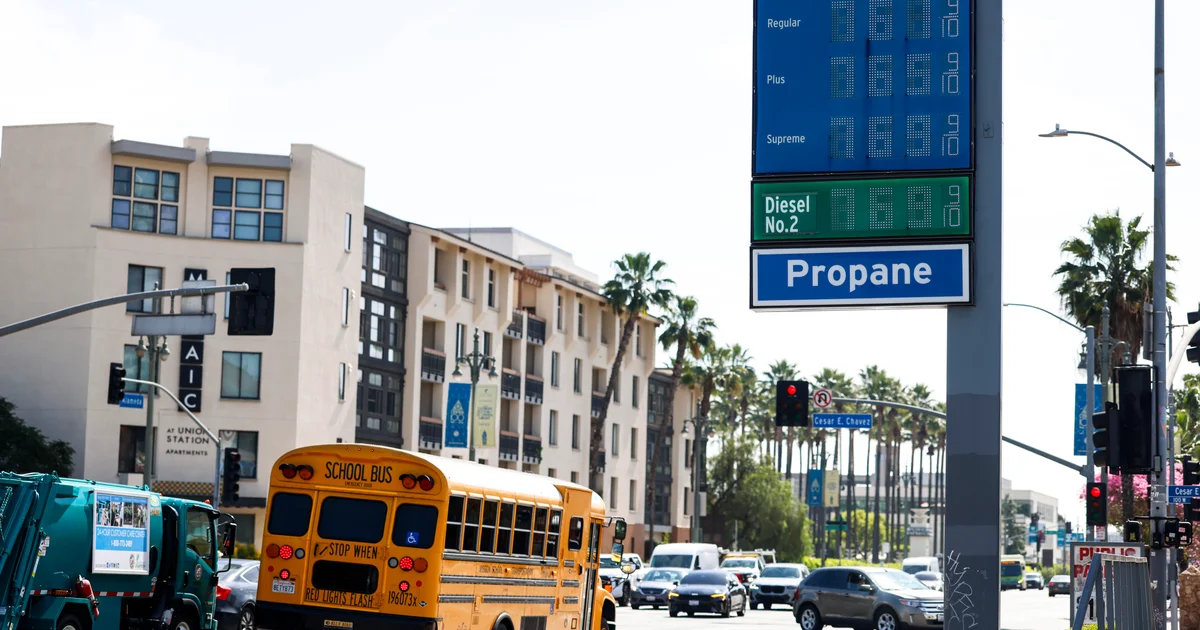
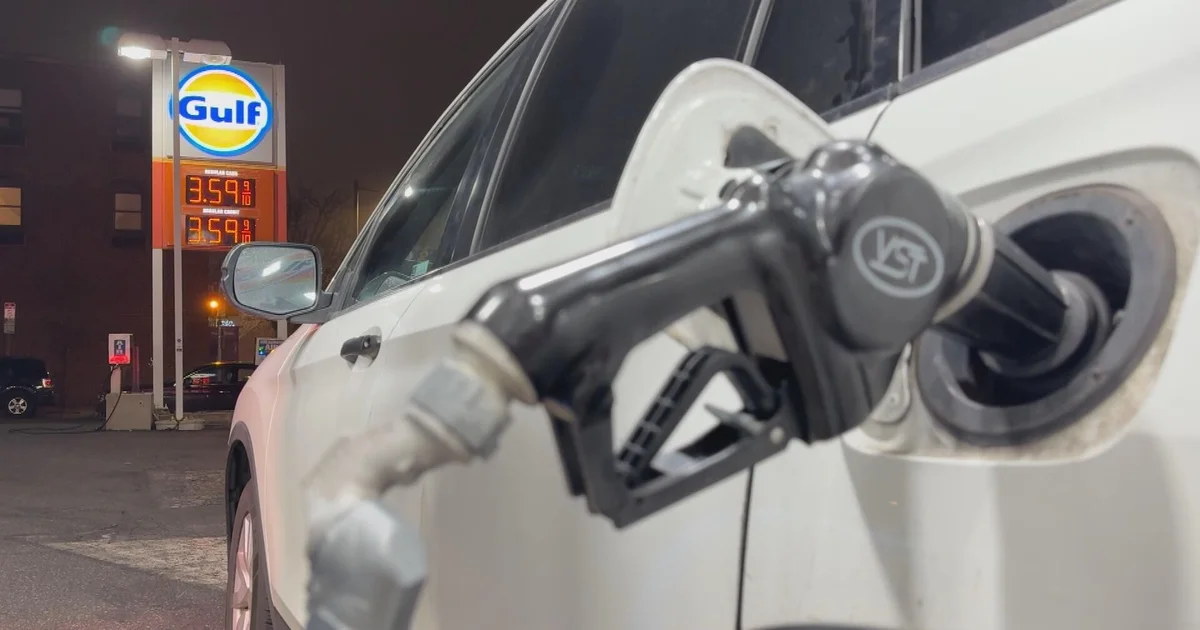
In the U.S., the pass-through showed up at the pump. GasBuddy said the national average gasoline price rose about 32 cents over seven days to roughly $3.31 a gallon, while diesel jumped 51 cents in a week to $4.26 a gallon, both at their highest levels in months.
The standoff is now a test of leverage as much as logistics. If shipping lanes stay effectively pinched, producers, refiners, and governments will face pressure to choose between absorbing costs, releasing supplies, or letting voters watch the price signs climb.