Oil traders are watching a narrow strip of water, generals are watching radar screens, and diplomats are watching their words. The question hanging over the Iran war is not just who blinks first, but what breaks first.
What You Should Know
CBS News reported March 30th, 2026, that oil prices turned volatile again as the Iran war widened, with fresh strikes, proxy launches, and warnings tied to the Strait of Hormuz. The update also described rising U.S. military posture in the region.
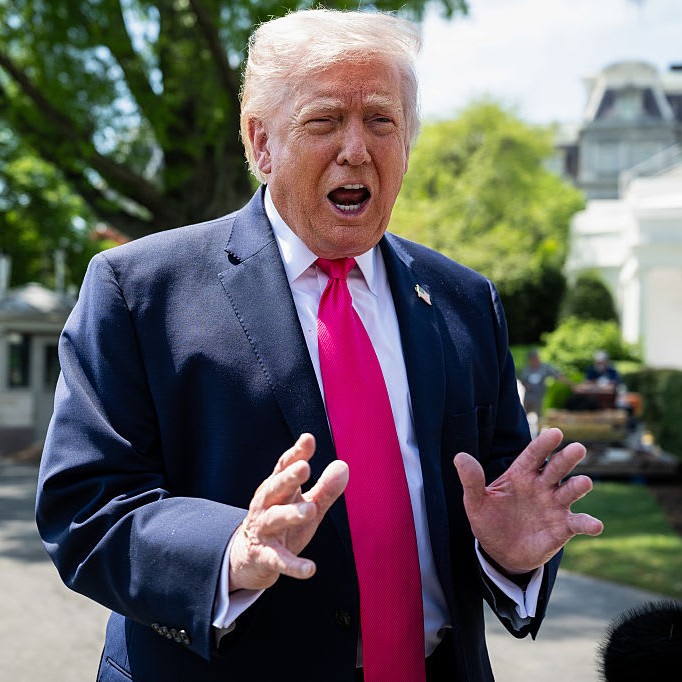
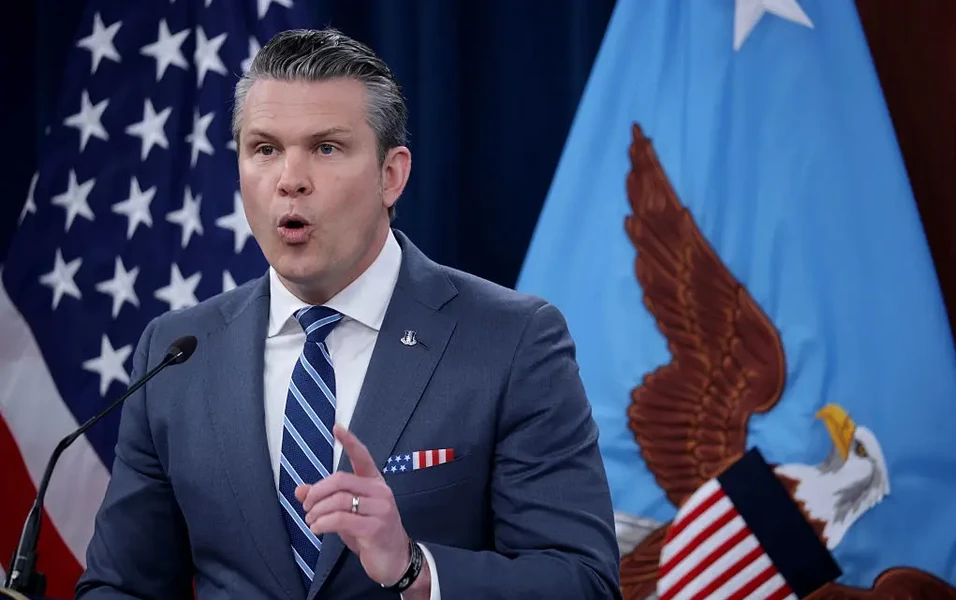
At the center is President Donald Trump, who has floated the idea of a near-term deal while also discussing escalatory options, and Iranian leaders who have downplayed diplomatic prospects as the fighting ripples outward.
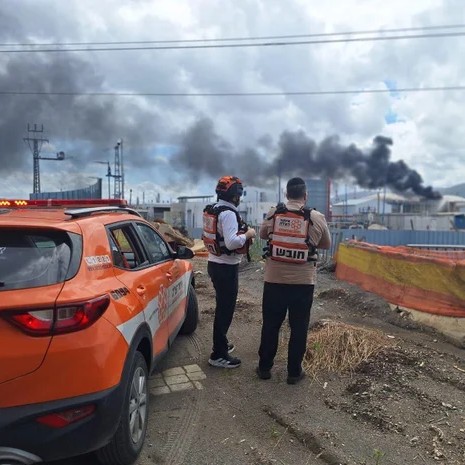
CBS News described explosions around Israeli oil infrastructure in Haifa after missile and drone launches attributed to Iran and its allied forces. Energy infrastructure is not just collateral in this fight. It is leverage, it is messaging, and it is a pressure test for allies.
The Strait of Hormuz Is the Pressure Point
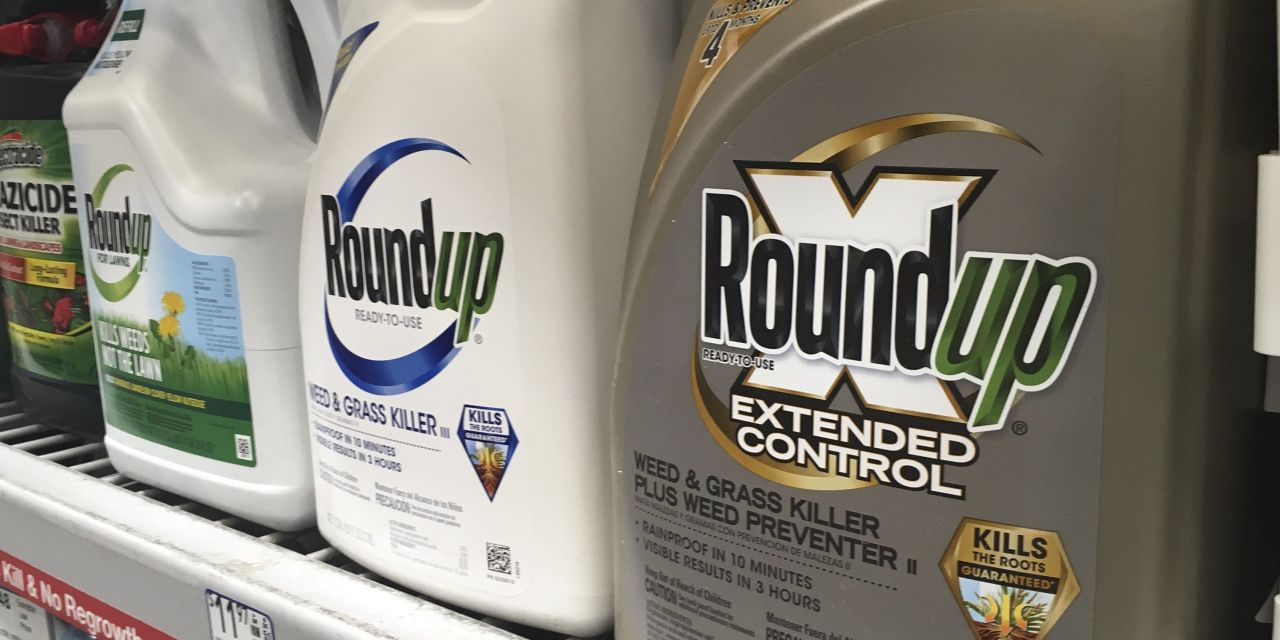
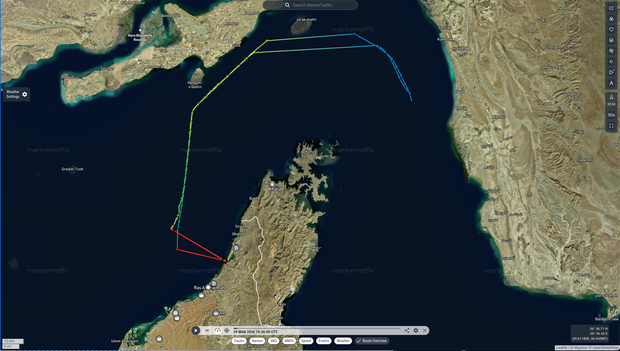
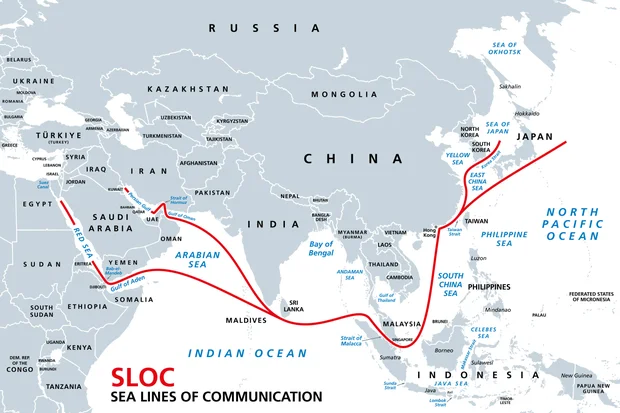
The Strait of Hormuz is where war headlines meet shipping lanes. Even without a full closure, the threat of disruption can move crude benchmarks, insurance costs, and rerouted cargo plans, which is why traders react to rhetoric as much as to confirmed damage.
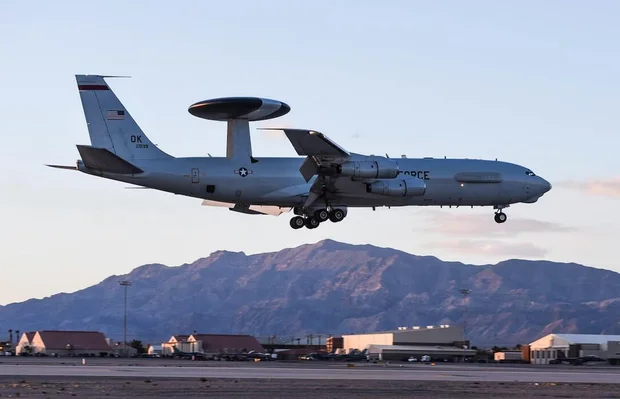
In CBS News reporting, the U.S. posture is not limited to air and naval power. The outlet said the United States had hundreds of special operations forces in the Middle East, a detail that lands differently when paired with talk of seizing infrastructure and controlling oil flows.
The War’s Map Keeps Expanding
CBS News also framed the conflict as multi-front, with Iran linked to continued launches alongside Hezbollah in Lebanon and the Houthis in Yemen. The strategic effect is scattershot strain, because air defenses, shipping security, and diplomatic bandwidth all get pulled at once.
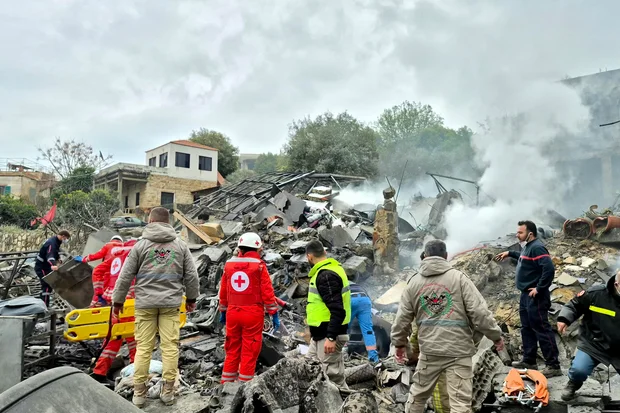
Two institutional alarms were also flagged. The United Nations condemned the killing of peacekeepers in southern Lebanon after an Indonesian peacekeeper was killed and others were wounded near UNIFIL positions, and NATO confirmed an Iranian missile was intercepted after entering Turkish airspace.
Then there is the public contradiction that keeps resurfacing: deal talk versus escalation talk. CBS News quoted Trump threatening to “take the oil in Iran,” and it also reported an Iranian warning that it was waiting for arriving U.S. forces “to set them on fire and punish their regional partners forever.”
What to watch next is whether shipping and energy infrastructure become the dominant battlefield, or a bargaining chip for a negotiated off-ramp. Either way, the war is already taxing alliances, pricing risk into oil, and daring leaders to match their words with actions.