The shutdown fight in Washington is not happening in a committee room anymore. It is happening at the metal detectors, where spring break travelers are learning what a funding lapse feels like in real time.
What You Should Know
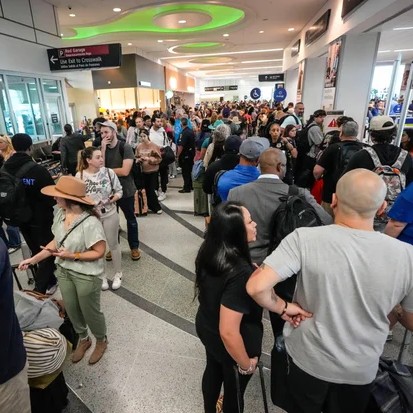
On March 8th, 2026, airports in New Orleans and Houston reported multi-hour TSA security lines amid a partial government shutdown affecting the Department of Homeland Security. TSA workers have been working without pay since funding lapsed on February 14th, 2026.
According to CBS News, the Transportation Security Administration is dealing with continued absences as the partial shutdown drags on, with airports warning passengers to show up far earlier than normal to avoid missing flights.
The Shutdown Hits the Checkpoint
At Louis Armstrong New Orleans International Airport, travelers were told to arrive at least three hours before departure, with the airport warning that waits could run as long as two hours and could continue through the week, CBS reported.
In Houston, the pressure point was William P. Hobby Airport, where travelers were advised to arrive four to five hours early as security waits could stretch past three hours. Videos from both airports showed lines snaking far beyond the usual ropes, including into a parking garage in New Orleans, according to CBS.
For one family, the math turned brutal. Jessica Andersen Alexie, traveling with her 10-year-old and 13-year-old children, told CBS they arrived three hours early in Houston, still missed their flight, and then played survival roulette with rebooking, rental cars, and security lanes.
Washington Leverage, Real-World Delays
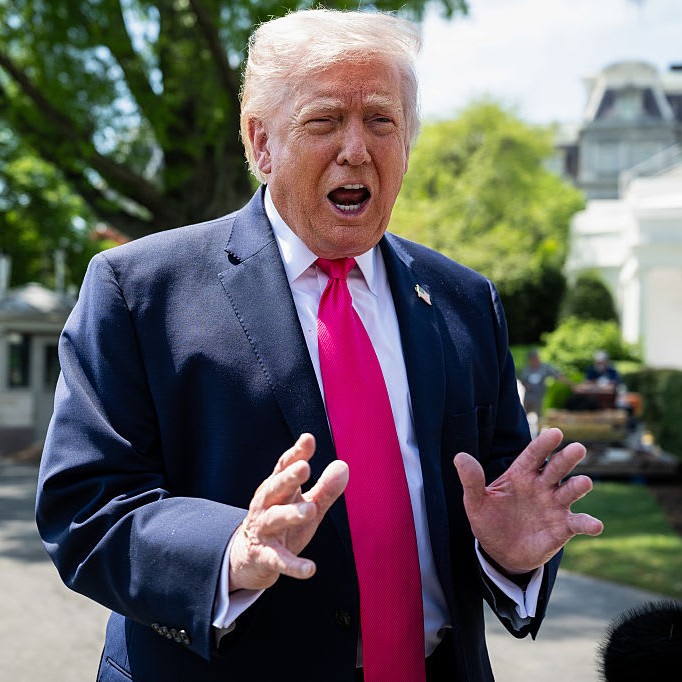
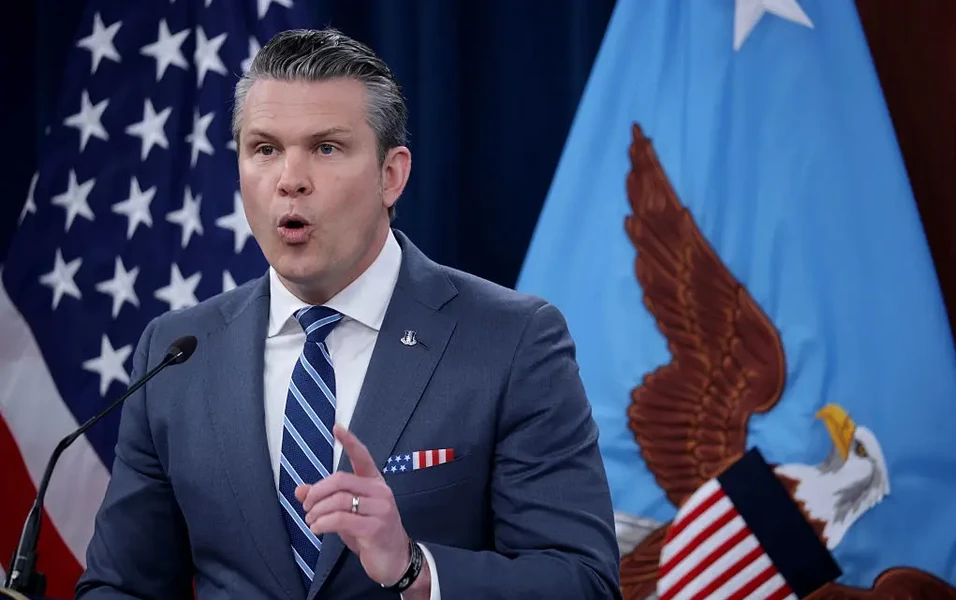
The political stakes are not subtle. The shutdown centers on DHS funding, and the current standoff has turned immigration enforcement reforms into a bargaining chip, with both parties aiming to extract concessions while TSA officers keep screening passengers without pay.
CBS reported that the House approved a bill to fund DHS through September, but the Senate did not clear the 60-vote threshold. That means the operational burden shifts to airports, airlines, and the frontline workforce that still have to show up, even as paychecks do not.
Airlines for America, the industry trade group, urged action and framed the situation as a power play with public consequences. In a statement cited by CBS, CEO Chris Sununu said, “America’s transportation security workforce is too important to be used as political leverage.”
What to watch next is simple: whether Congress produces a DHS deal before spring break volume peaks further, or whether airports keep resorting to ever-longer arrival warnings that quietly admit the same thing. The system can run understaffed, but it cannot pretend the line is not the headline.