Rural America has a housing countdown that most people do not see until the rent jumps. A federal deal that kept rents low for decades is quietly aging out, and when the clock hits zero, landlords get options.
What You Should Know
The USDA’s Section 515 program, launched in 1963, helped finance more than 533,000 affordable rural rental homes. With new loans stopped in 2011, the remaining properties are expected to exit as loans mature, with most maturing by 2045.
Section 515 is not a flashy coastal policy fight. It is a long contract between Washington and private or nonprofit owners: cheap financing in exchange for long-term rent limits for low-income tenants in small towns and rural counties.
The Deal That Built Rural Apartments Is Aging Out
According to an analysis published on March 15th, 2026, by PBS NewsHour and The Conversation, “The USDA’s Section 515 program is the primary way that the U.S. government finances affordable rental homes in rural communities.” Since 1963, the program has backed more than 533,000 units, often small multifamily buildings that do not pencil out for private developers without help.
The catch was the point. Owners took below-market loans, and in return, rents were generally limited to about 30% of a tenant’s income, a structure designed to hold for decades, not election cycles.
However, the USDA stopped issuing new Section 515 loans in 2011, and the existing portfolio has been sliding toward maturity ever since. The Housing Assistance Council projects that loans for about 90% of the remaining Section 515 homes will mature by 2045, and by 2050, nearly all owners are projected to have paid off their mortgages, effectively ending the program as a living system.
When Loans Mature, Who Controls the Rent?
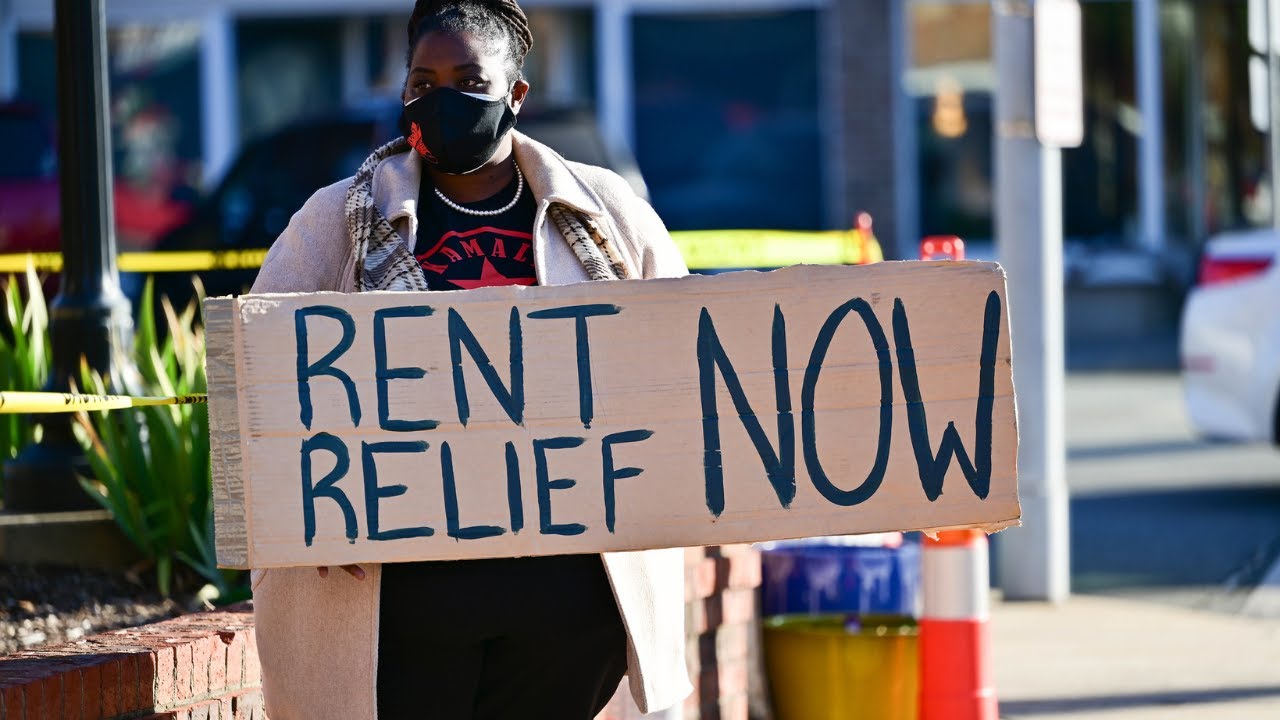
Once an owner pays off the USDA loan, the affordability restrictions can disappear, and the building can be refinanced, sold, or pushed toward market-rate rents. The PBS NewsHour and The Conversation piece put the tenant math bluntly: Section 515 residents typically pay around $325 per month, while rural market rents can run $800 to $1,100 for modest homes.
A peer-reviewed national study in the journal Housing Policy Debate, summarized in the same reporting, suggests the biggest predictor of what happens next is who holds the keys. For-profit owners were far more likely to leave the affordable pool than nonprofits, and nonprofit-owned buildings were 30% to 40% less likely to convert to market-rate rents after loan payoff, even after accounting for age and local market conditions.
Washington Can Preserve Units, but Owners Can Cash Out
The same reporting points to a brutal maintenance reality: researchers estimate about $5.6 billion in repairs would be needed to preserve the affordable housing tied to Section 515. USDA preservation tools exist, including a preservation and revitalization pilot, but the spending is described as in the tens of millions of dollars per year, a scale mismatch that looks small next to the looming wave of maturing loans.
Some lawmakers have proposed changes, including the bipartisan Rural Housing Service Reform Act, first introduced in 2023 and reintroduced in 2025, to modernize USDA rural housing programs and extend some rental assistance after mortgages mature. What to watch is not just whether Congress acts, but how quickly owners move once the restrictions fall away, especially in counties where the next available apartment is miles, and dollars, out of reach.