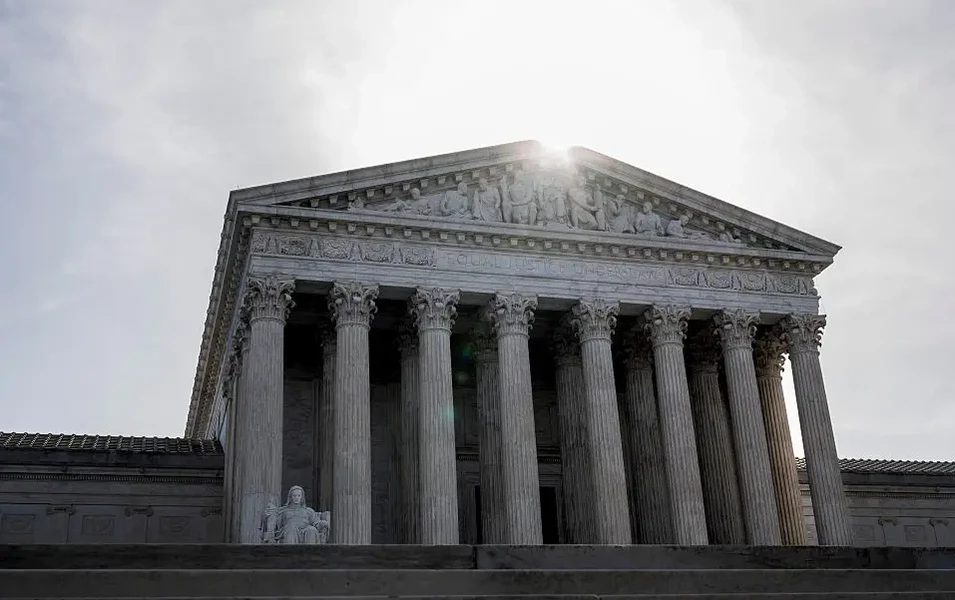
The next Supreme Court immigration brawl might not start at the border. It could start at a school registration desk, with one question: who gets to sit in a public classroom when politics turns punitive?
What You Should Know
Plyler v. Doe, a 1982 Supreme Court decision, bars states from denying free public K-12 education to children based on immigration status. The ruling is being discussed again as a potential target for reversal, which would give states new leverage.
Plyler has always been a strange kind of constitutional tripwire. It is about children and school, but the fight underneath is about power: whether states can use public services as a pressure valve to make undocumented families leave.
The Case That Made Schools a Border Fight
The case began in Texas, where a state law allowed school districts to deny enrollment to undocumented children and to withhold state funding for educating them. In 1982, the Supreme Court struck that approach down, ruling that Texas could not single out children for a penalty tied to their parents’ immigration status.
The Court’s majority made its logic plain. As the opinion put it, “Legislation directing the onus of a parent’s misconduct against his children does not comport with fundamental conceptions of justice.”
That line is why Plyler still stings. It framed the policy as collective punishment, and it treated children as people the Constitution protects, even when politics is eager to call them something else.
The Legal Hook and the Pressure Campaign
Plyler was a 5-4 decision, which is catnip for modern legal movements that shop for precedents to weaken, narrow, or overturn. The ruling also sits in an uncomfortable lane: it did not declare education a fundamental right, but it still applied a tougher form of scrutiny than states wanted.
That tension is what makes it tempting. A state does not have to argue that undocumented children have no constitutional protections at all. It can be argued that the Court overreached when it limited states’ ability to set conditions on public benefits, especially when budgets, enrollment, and local politics are already strained.
What Overturning Plyler Would Actually Change
If Plyler fell, the country would not automatically get a nationwide ban on undocumented children in public schools. Instead, the power would swing back to the states and, in practice, to school districts that would have to decide whether to ask for proof of legal status, how to handle privacy, and what to do when families stop showing up.
The fallout would be immediate and messy. Schools would face new compliance fights, children would become evidence in adult political disputes, and states would discover that the headline policy is only the beginning of the administrative and legal costs.
The larger context is hard to ignore. The modern Court has already shown a willingness to reverse major precedents, including in Dobbs v. Jackson Women’s Health Organization, and that reality changes the bluffing dynamics for every hot-button issue that once looked settled.
Plyler’s defenders can point to the same practical argument that helped win in 1982: a society that creates a permanent class of undereducated kids is not solving an immigration problem; it is manufacturing a future one. The question is whether the next test case is built to make the Court answer that out loud.